The History of Handwashing
The importance of handwashing was not always understood. In 1847, a Hungarian physician named Ignaz Semmelweis made a groundbreaking discovery at a hospital in Vienna, Austria. He noticed that women giving birth were far more likely to die of infection when doctors delivered their babies right after performing autopsies without washing their hands. When Semmelweis required doctors to wash their hands with a chlorinated lime solution, the death rate dropped dramatically. Sadly, many doctors at the time rejected his ideas, and Semmelweis was not widely recognized until after his death.
How to Wash Your Hands Properly
Proper handwashing follows five simple steps: wet your hands with clean running water, apply soap, scrub all surfaces of your hands for at least 20 seconds, rinse thoroughly under running water, and dry with a clean towel or air dryer. Twenty seconds is about the time it takes to hum the “Happy Birthday” song twice from beginning to end. Make sure to scrub between your fingers, under your nails, and the backs of your hands — these are spots people commonly miss. The friction from scrubbing is just as important as the soap because it physically loosens and removes germs from your skin.
When to Wash Your Hands
There are several key moments during the day when handwashing is especially important. You should always wash your hands before eating or preparing food, after using the bathroom, and after blowing your nose, coughing, or sneezing. Washing your hands after touching animals or handling pet food is also important because animals can carry germs that affect humans. After being in public places where you have touched shared surfaces like handrails, elevator buttons, or shopping carts, a good handwashing removes germs you may have picked up. Getting into the habit of washing your hands at these key times dramatically reduces your chances of getting sick.
Hand Sanitizer as a Backup
When soap and water are not available, hand sanitizer with at least 60% alcohol is a good alternative. The alcohol in hand sanitizer works by destroying the proteins in many types of bacteria and viruses, killing them on contact. However, hand sanitizer has some important limitations — it does not work well on visibly dirty or greasy hands because the dirt blocks the alcohol from reaching the germs. It also cannot kill all types of germs, such as Clostridioides difficile spores and norovirus. For these reasons, soap and water should always be your first choice when they are available, with hand sanitizer serving as a useful backup.
Handwashing Around the World
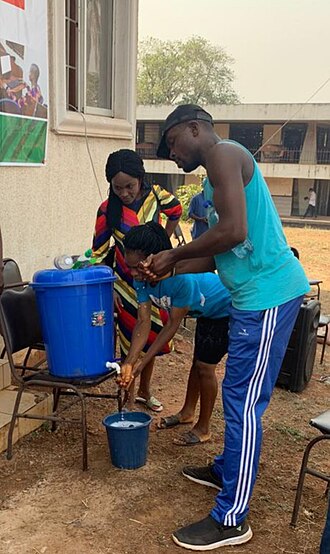
The World Health Organization estimates that universal handwashing could prevent about 1 million deaths from diarrheal diseases each year, mostly among children under 5 in developing countries. In many parts of the world, access to clean water and soap is limited, making handwashing a challenge. Global Handwashing Day, celebrated every year on October 15, raises awareness about the importance of hand hygiene worldwide. Organizations like UNICEF work to bring clean water and soap to communities where these basic supplies are scarce. Improving access to handwashing facilities is one of the most cost-effective public health investments a country can make.
Handwashing and Antibiotic Resistance
One often-overlooked benefit of handwashing is that it helps fight antibiotic resistance. When fewer people get sick because of good hand hygiene, fewer antibiotics are prescribed. Overuse of antibiotics leads to antibiotic-resistant bacteria, sometimes called “superbugs,” which are much harder to treat. By preventing infections in the first place, handwashing reduces the need for antibiotics and slows the development of resistance. This is another reason why this simple habit has such a far-reaching impact on public health.
Making Handwashing a Lifelong Habit
Building a strong handwashing habit takes practice, but it becomes automatic over time. Placing soap in convenient locations at home and school makes it easier to remember. Some studies show that people are more likely to wash their hands when they can see a visual reminder, like a sign near the sink. Teaching younger siblings and friends about proper handwashing helps reinforce the habit for everyone. The handwashing skills you develop now will protect you and the people around you for the rest of your life.
 OtterKnow Kids Encyclopedia