Why Water Alone Is Not Enough
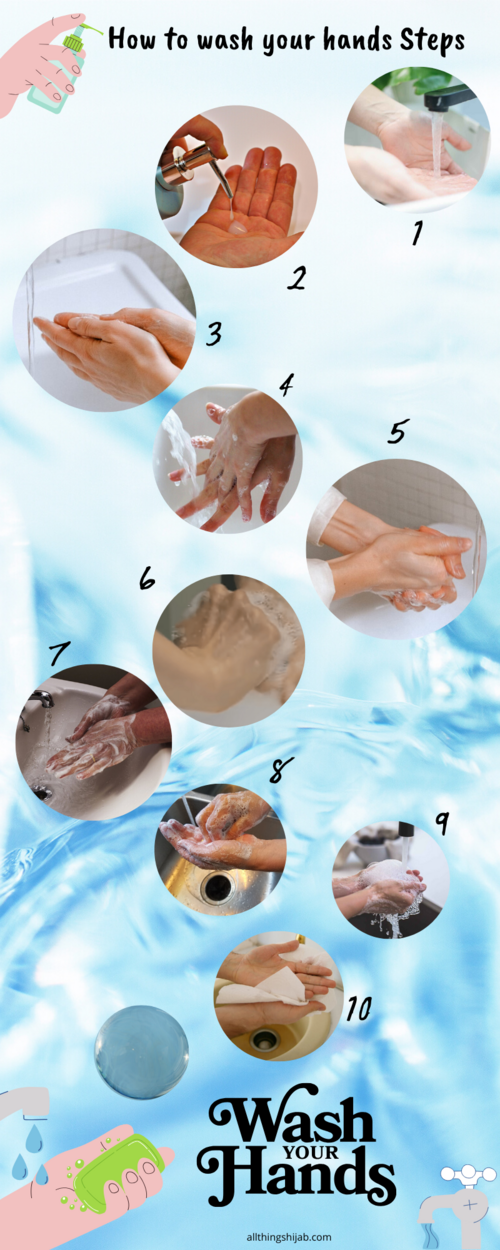
If you wash your hands with only water, you will remove some loose dirt, but most germs will stay behind. This is because many germs are surrounded by oils and fats that water cannot dissolve on its own — oil and water do not mix naturally. Soap acts as a bridge between oil and water, allowing them to mix so that oily, germ-laden substances can be washed away. The scrubbing motion is also important because it creates friction that helps break up clumps of germs and lift them off your skin. Together, soap and scrubbing remove far more germs than water or soap alone could manage.
How Soap Destroys Viruses
Many dangerous viruses, including influenza and coronaviruses, have an outer layer made of lipids — a type of fat that forms a protective membrane around the virus. When soap molecules encounter these lipid membranes, the hydrophobic ends of the soap molecules wedge into the fat layer and tear it apart. Without its protective membrane, the virus falls apart and can no longer infect cells. This is why health experts emphasize washing with soap during flu season and viral outbreaks — soap does not just remove viruses from your skin, it actually destroys many of them.
How Hand Sanitizer Works
Hand sanitizer takes a completely different approach to killing germs. The active ingredient in most hand sanitizers is alcohol, typically ethanol or isopropanol, at a concentration of 60% to 95%. The alcohol works by denaturing proteins — it causes the proteins inside bacteria and viruses to unfold and lose their shape, which destroys their ability to function. This process happens quickly, which is why hand sanitizer can kill most germs in just 20 to 30 seconds. However, the alcohol needs to make direct contact with the germs, which is why sanitizer does not work well on visibly dirty or greasy hands.
When Sanitizer Falls Short
While hand sanitizer is convenient and effective in many situations, it has some important limitations. It cannot remove all types of germs — for example, it is not effective against norovirus, which causes stomach flu, or Clostridioides difficile bacterial spores, which can cause severe intestinal illness. Hand sanitizer also does not remove harmful chemicals like pesticides or heavy metals from your skin. If your hands are covered in dirt, grease, or food, the sanitizer cannot penetrate through the grime to reach the germs underneath. For these reasons, soap and water should always be your first choice when they are available.
The Ancient History of Soap
Humans have been making and using soap for thousands of years. Ancient Babylonian clay tablets from around 2800 BCE describe a recipe for soap made from water, alkali, and cassia oil. The ancient Romans used soap primarily for medicinal purposes rather than regular bathing. During the Middle Ages in Europe, soap making became an established craft, with cities like Marseille in France and Castile in Spain becoming famous for their soaps. Modern commercial soap production began in the 1800s, and by the early 1900s, public health campaigns started teaching people that regular handwashing with soap could prevent disease.
Bar Soap vs. Liquid Soap
You might wonder whether bar soap or liquid soap is better at cleaning your hands. Studies have shown that both are equally effective at removing germs when used with proper technique. Some people worry that bar soap might harbor germs on its surface, but research has found that these surface germs do not transfer to your hands in meaningful amounts during washing. Liquid soap is often preferred in public restrooms because it is more hygienic to dispense and easier to keep clean. The most important factor is not the type of soap you use but how thoroughly you wash — scrubbing all surfaces of your hands for at least 20 seconds is what matters most.
Both soap and hand sanitizer are valuable tools for keeping your hands clean, and knowing when to use each one helps you stay as healthy as possible. Use soap and water whenever they are available, especially before eating, after using the bathroom, and when your hands are visibly dirty. Keep hand sanitizer in your backpack or pocket for situations when you cannot get to a sink, like after riding the bus or before eating a snack at a sports game. By understanding how each product works, you can make smart choices about hand hygiene every day.
 OtterKnow Kids Encyclopedia