It Starts in Your Mouth
Digestion begins the moment you take a bite of food. Your teeth crush and grind the food into smaller pieces, making it easier for the rest of your digestive system to handle. At the same time, saliva from glands in your mouth coats the food and begins breaking down starches using an enzyme called amylase. Your tongue helps mix everything together and shapes the chewed food into a soft ball called a bolus. When you swallow, the bolus slides down your esophagus — a muscular tube about 25 centimeters long — and into your stomach.
The Stomach: A Powerful Mixer
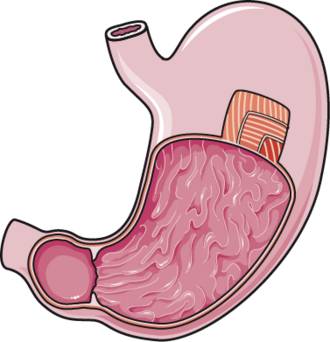
Your stomach is a stretchy, J-shaped organ that acts like a blender, churning food and mixing it with powerful digestive juices. The stomach produces hydrochloric acid with a pH of 1 to 3, which is strong enough to dissolve metal. This acid kills most bacteria in your food and helps break down proteins. The stomach’s inner lining is protected from its own acid by a thick layer of mucus that is constantly renewed. After two to four hours of churning, the food has been turned into a soupy liquid called chyme, which is slowly released into the small intestine.
The Small Intestine: Where the Action Happens
Despite its name, the small intestine is the longest part of the digestive tract, stretching about 6 meters (20 feet). This is where most of the nutrients from your food are absorbed into your bloodstream. The inner walls are covered with millions of tiny finger-like projections called villi, and each villus is covered with even tinier projections called microvilli. These structures give the small intestine a huge surface area for absorbing nutrients — roughly the size of a tennis court. The liver, gallbladder, and pancreas also send digestive juices into the small intestine to help break down fats, proteins, and carbohydrates.
The Large Intestine and the Gut Microbiome
After the small intestine has absorbed most nutrients, the remaining material passes into the large intestine, which is about 1.5 meters (5 feet) long but much wider than the small intestine. The large intestine’s main job is to absorb water and minerals from the leftover material, turning liquid waste into solid waste. It is also home to about 100 trillion bacteria — collectively known as the gut microbiome — which help digest fiber, produce certain vitamins like vitamin K and some B vitamins, and support your immune system. The balance of these gut bacteria is important for your overall health.
Helper Organs
Several organs outside the digestive tract play essential roles in digestion. The liver produces bile, a greenish fluid that helps break down fats into smaller droplets so enzymes can work on them more easily. The gallbladder stores bile and releases it into the small intestine when fatty food arrives. The pancreas produces powerful enzymes that break down proteins, fats, and carbohydrates, as well as bicarbonate to neutralize the stomach acid in chyme. Together, these organs ensure that every type of nutrient in your food gets properly broken down and absorbed.
From Food to Fuel
Once nutrients are absorbed through the walls of the small intestine, they enter the bloodstream and travel to cells throughout your body. Carbohydrates are broken down into simple sugars like glucose, which cells use as their primary energy source. Proteins are broken down into amino acids, which are used to build and repair muscles, organs, and other tissues. Fats are broken down into fatty acids and glycerol, which provide long-lasting energy and help build cell membranes. Vitamins and minerals are absorbed to support hundreds of chemical reactions happening inside your body every second.
Keeping Your Digestive System Healthy
You can help your digestive system work its best by eating a balanced diet rich in fruits, vegetables, and whole grains that provide fiber. Fiber helps move food through the digestive tract smoothly and feeds the helpful bacteria in your gut microbiome. Drinking plenty of water is important because your digestive system needs water at every stage, from making saliva to absorbing nutrients in the intestines. Chewing your food thoroughly gives your stomach and intestines a head start on breaking it down. Eating regular meals and staying active with daily exercise also help keep everything moving along smoothly.
 OtterKnow Kids Encyclopedia