The Path Air Travels
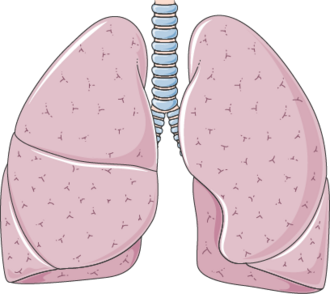
When you breathe in, air enters through your nose or mouth and begins a journey deep into your body. Your nose warms, moistens, and filters the air, trapping dust and germs with tiny hairs and sticky mucus. The air then passes down the trachea, also called the windpipe, which is a tube about 10 to 12 centimeters long reinforced with C-shaped rings of cartilage to keep it open. At the bottom, the trachea splits into two tubes called bronchi — one leading to each lung. The bronchi branch into smaller and smaller tubes called bronchioles, like the branches of an upside-down tree.
The Amazing Alveoli
At the end of the tiniest bronchioles are clusters of small air sacs called alveoli, and this is where the real magic of breathing happens. Your lungs contain about 300 million alveoli, and if you could spread them all out flat, they would cover an area about the size of a tennis court. Each alveolus is wrapped in a web of tiny blood vessels called capillaries, and the walls between them are incredibly thin — just one cell thick. Oxygen passes from the air inside the alveoli through these thin walls into the blood, while carbon dioxide passes from the blood into the alveoli to be breathed out.
The Diaphragm: Your Breathing Engine
The main muscle responsible for breathing is the diaphragm, a large dome-shaped muscle that sits just below your lungs. When you breathe in, the diaphragm contracts and flattens, pulling downward and creating extra space in your chest cavity. This creates a vacuum that draws air into your lungs, much like pulling back the plunger on a syringe. When the diaphragm relaxes, it pushes back up into its dome shape, squeezing air out of the lungs. Muscles between your ribs, called intercostal muscles, also help by expanding and contracting the ribcage.
Gas Exchange: The Big Swap
The whole point of breathing is gas exchange — swapping oxygen for carbon dioxide in the blood. Oxygen from the air dissolves through the thin alveoli walls and attaches to hemoglobin molecules in red blood cells, which carry it through the cardiovascular system to cells all over the body. At the same time, carbon dioxide — the waste product of cells using energy — travels in the blood back to the lungs. The carbon dioxide crosses from the capillaries into the alveoli and is breathed out. This two-way exchange happens in a fraction of a second with every breath you take.
How Your Body Controls Breathing
You do not usually have to think about breathing because your brain controls it automatically. A part of the brainstem called the medulla oblongata monitors the level of carbon dioxide in your blood. When carbon dioxide levels rise — like during exercise — the medulla sends signals to breathe faster and deeper to get rid of the extra carbon dioxide and bring in more oxygen. You can also control your breathing on purpose, such as when you hold your breath underwater or blow out birthday candles. But if you hold your breath too long, your brain will eventually override your willpower and force you to breathe.
Fun Facts About Breathing
The respiratory system has some surprising features. Hiccups happen when the diaphragm suddenly spasms involuntarily, and the world record for the longest hiccup attack belongs to Charles Osborne, who hiccupped continuously for 68 years, from 1922 to 1990. When you sneeze, air can rush out of your nose at speeds of up to 100 miles per hour. Your right lung is slightly larger than your left lung because the left side of your chest needs to make room for your heart. Yawning is still somewhat mysterious to scientists, but one theory is that it helps bring extra oxygen into the body when you are tired or bored.
Taking Care of Your Lungs
Keeping your respiratory system healthy means making smart choices every day. Regular exercise strengthens your breathing muscles and helps your lungs work more efficiently over time. Staying away from cigarette smoke and air pollution protects the delicate tissues inside your lungs from damage. Drinking plenty of water helps keep the mucus lining of your airways thin and effective at trapping germs. If you play sports or exercise outdoors, breathing through your nose when possible helps filter and warm the air before it reaches your lungs.
 OtterKnow Kids Encyclopedia