Pedestrian Safety Rules
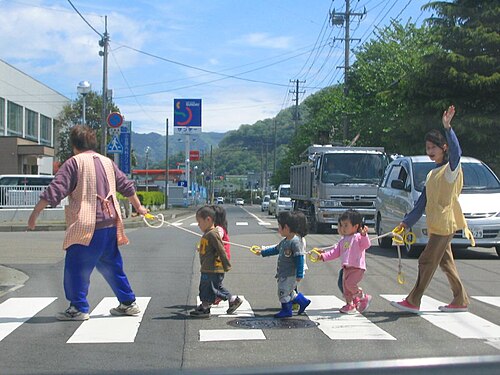
Being a pedestrian means you are traveling on foot, and there are important rules to follow every time you walk near roads. Always use crosswalks and wait for the walk signal before stepping into the street. Before crossing, look left, then right, then left again to check for approaching vehicles. Try to make eye contact with drivers before you cross so you know they have seen you. Put away your phone and take out your earbuds while crossing because distractions can keep you from noticing oncoming traffic.
Children under the age of 10 have a harder time judging the speed and distance of approaching cars than adults do. This is because their peripheral vision — the ability to see things off to the side — and their depth perception are still developing. Younger children are also shorter, which means drivers may not see them as easily, especially behind parked cars or large vehicles. That is why children under 10 should always cross the street with an adult or older buddy. As you grow and develop, your ability to judge traffic will improve, but it is always smart to be extra careful.
Car Seat and Seatbelt Safety
Riding in a car is one of the riskiest things people do every day, but seatbelts and car seats make it much safer. The Centers for Disease Control and Prevention (CDC) reports that proper use of car seats reduces death in car crashes by 71 percent for infants and 54 percent for toddlers. Children should ride in age-appropriate car seats or booster seats until the seatbelt fits them properly, which usually happens around age 8 to 12 or when they are 4 feet 9 inches tall. Wearing a seatbelt is required by law in all 50 U.S. states, and seatbelts reduce the risk of death in a crash by about 45 percent for front-seat passengers. Always buckle up every single time you get in a car, even for short trips.
School Bus Safety
Millions of children ride school buses every day, and school buses are actually one of the safest forms of transportation. When waiting for the bus, stand at least 10 feet back from the curb so the driver can see you clearly. Once on the bus, stay seated with your feet on the floor and keep the aisle clear so everyone can exit safely in an emergency. When getting off, cross the street at least 10 feet in front of the bus where the driver can see you — never walk behind the bus. Watch for the driver’s signal before crossing, and always look both ways even after the bus has stopped traffic.
The Dangers of Distracted Driving
Distracted driving is one of the most dangerous behaviors on the road today. Texting while driving slows a driver’s reaction time as much as being legally drunk, because the driver’s eyes leave the road for an average of 5 seconds per text. Distracted driving causes more than 3,000 deaths per year in the United States and injures about 400,000 people. As a passenger, you can help by not distracting the driver with loud noise or sudden requests. When you are old enough to drive someday, remember that no text message or phone call is worth risking your life or someone else’s.
Being Visible and Being Seen
Drivers cannot avoid what they cannot see, so making yourself visible is a key part of staying safe near roads. Wear bright or light-colored clothing during the day, and add reflective gear or a clip-on light when walking or biking at dawn, dusk, or nighttime. Stay on sidewalks whenever they are available, and if there is no sidewalk, walk facing oncoming traffic so you can see approaching cars. Carry a flashlight when walking in the dark so drivers can spot you from farther away. Being seen gives drivers more time to slow down and avoid you.
Safety Around Parking Lots and Driveways
Parking lots and driveways are surprisingly dangerous places for pedestrians, especially children. Drivers backing out of parking spaces or driveways may not see a child who is shorter than the vehicle’s rear window. Always hold an adult’s hand in parking lots and walk along the edges rather than through the middle of driving lanes. Never play or run in parking lots because drivers are focused on other cars, not on kids. Before crossing behind any vehicle, make sure the car is not running and that the driver has seen you.
 OtterKnow Kids Encyclopedia