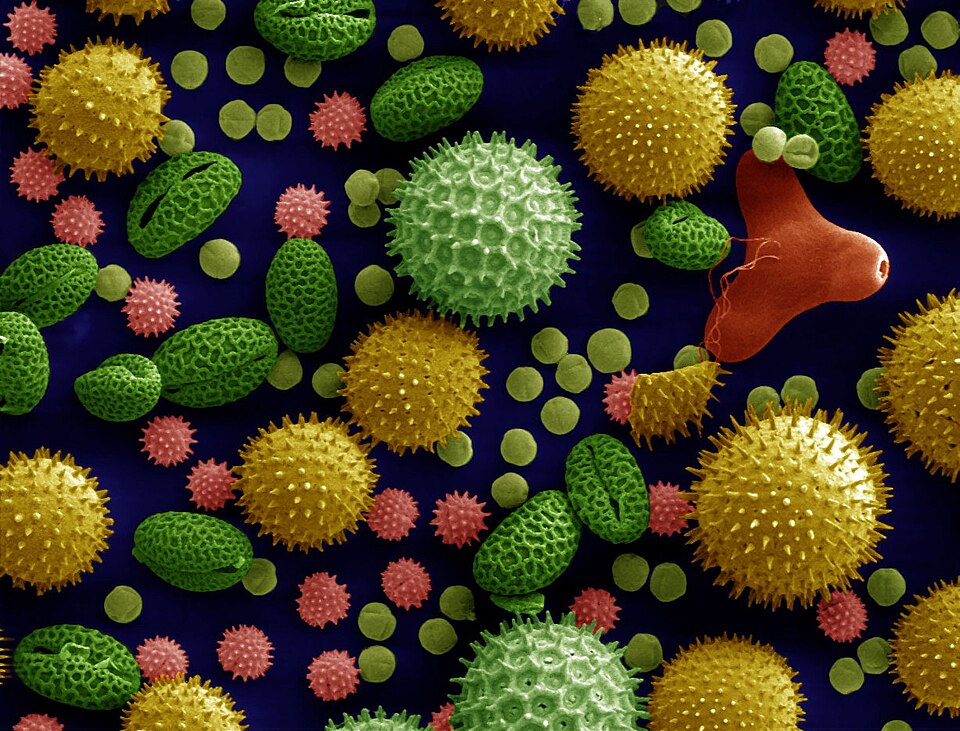
Common Allergens
Many different substances can trigger allergic reactions in people who are sensitive to them. Pollen from trees, grasses, and weeds causes hay fever, which makes people sneeze and have itchy, watery eyes during certain seasons. Pet dander, dust mites, and mold are indoor allergens that can cause year-round symptoms. Certain foods are also common allergens, with peanuts, tree nuts, shellfish, milk, eggs, wheat, and soy accounting for about 90 percent of all food allergies.
How Allergic Reactions Happen
Allergic reactions begin when your immune system produces special antibodies called IgE against a particular allergen. The first time you encounter the allergen, your body makes these IgE antibodies and attaches them to cells called mast cells throughout your body. The next time you encounter the same allergen, the IgE antibodies recognize it and signal the mast cells to release a chemical called histamine. Histamine and other chemicals cause the familiar allergy symptoms like sneezing, itching, swelling, and runny nose.
Food Allergies in Children
About 1 in 13 children in the United States has a food allergy, and the number of kids with food allergies has been rising over the past few decades. Scientists believe this increase may be partly due to children being exposed to fewer diverse microorganisms early in life, which can affect how the immune system develops. Food allergies can cause symptoms ranging from mild hives and stomach pain to severe, life-threatening reactions. Unlike some other allergies, many food allergies, especially to milk and eggs, can be outgrown, though allergies to peanuts, tree nuts, and shellfish usually last a lifetime.
Anaphylaxis: A Serious Emergency
Anaphylaxis is the most severe type of allergic reaction and can be life-threatening if not treated immediately. During anaphylaxis, the throat can swell shut, making it very difficult to breathe, and blood pressure can drop dangerously low. People at risk for anaphylaxis carry an epinephrine auto-injector, commonly known as an EpiPen, which delivers medicine that can reverse the reaction within minutes. Even after using an EpiPen, the person must go to the emergency room right away because the reaction can sometimes return.
Treating Allergies
There are several ways to treat and manage allergies depending on how severe they are. Antihistamines are medicines that block histamine and reduce mild symptoms like sneezing, itching, and runny nose. For people with more serious allergies, immunotherapy through allergy shots or drops placed under the tongue can gradually train the immune system to stop overreacting to an allergen over a period of years. For life-threatening food allergies, strict avoidance of the allergen is the most important strategy.
Allergies and Asthma
Allergies and asthma are closely related conditions that often occur together. About 80 percent of people with asthma also have allergies, and allergens like pollen, dust mites, and pet dander are common asthma triggers. When a person with allergic asthma breathes in an allergen, the airways in their lungs become inflamed and narrow, making it hard to breathe. Managing allergies effectively through medication and allergen avoidance can help reduce the frequency and severity of asthma attacks.
Living with Allergies
Living with allergies means learning to identify your triggers and taking steps to avoid them. Reading food labels carefully, keeping windows closed during high pollen days, and using allergy-proof covers on pillows and mattresses are all helpful strategies. It is important to tell your teachers, friends, and coaches about any serious allergies you have so they can help keep you safe. With the right knowledge and preparation, most people with allergies can live active, healthy, and normal lives.
 OtterKnow Kids Encyclopedia