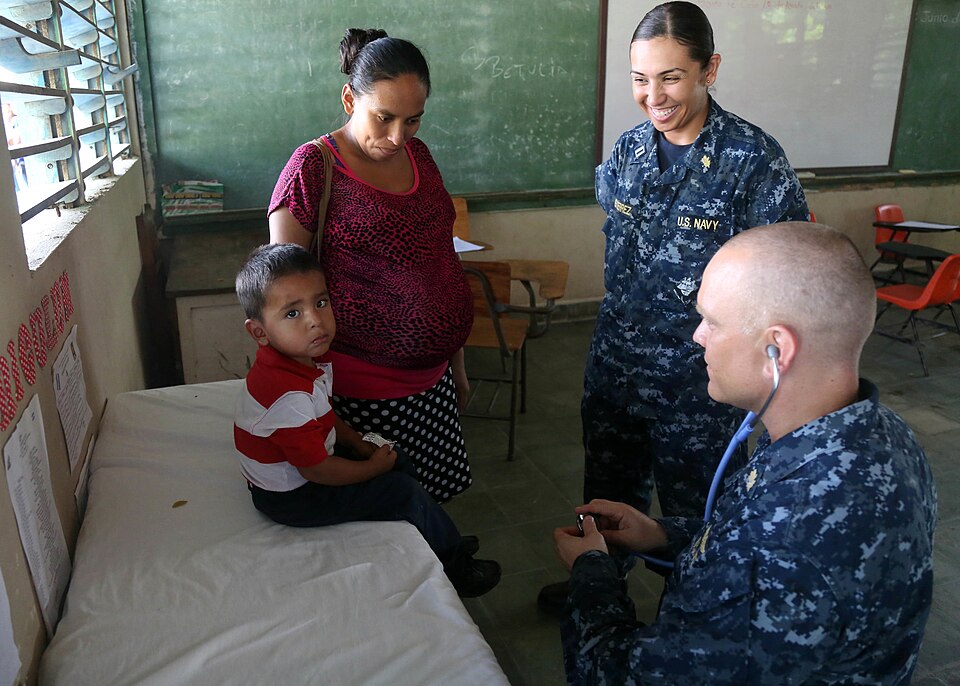
Types of Healthcare Workers
There are dozens of different healthcare careers, each with a special focus. Nurses provide direct patient care and often spend more time with patients than doctors do, monitoring symptoms and administering treatments. Pharmacists dispense medications and advise patients on how to take them safely, watching for dangerous drug interactions. Physical therapists help people recover movement and strength after injuries or surgeries, while occupational therapists help people regain daily living skills like getting dressed or writing. Mental health counselors and psychologists help people work through emotional challenges, anxiety, and depression.
Doctors and Their Specialties
Physicians are doctors who diagnose and treat diseases, but many of them focus on specific parts of the body or types of patients. Pediatricians specialize in caring for babies, children, and teenagers from birth through age 18. Surgeons perform operations to repair injuries, remove diseased tissue, or fix problems inside the body. Cardiologists are experts in heart disease, while dermatologists treat conditions affecting the skin, hair, and nails. Psychiatrists are doctors who specialize in mental health conditions and can prescribe medication to help their patients.
How Doctors Are Trained
Becoming a physician in the United States takes many years of hard work and dedication. After finishing high school, a future doctor must complete 4 years of college, followed by 4 years of medical school where they learn about the human body, diseases, and treatments. After medical school, new doctors enter a residency program lasting 3 to 7 years, where they train under experienced physicians in their chosen specialty. Altogether, it takes about 11 to 15 years of education and training after high school before a doctor is fully ready to practice independently.
How Nurses Are Trained
Nurses follow a different training path that can get them into patient care more quickly. Many nurses earn an associate’s degree in nursing in about 2 years, while others complete a 4-year bachelor’s degree program. All nursing students must pass clinical rotations where they practice caring for real patients under supervision. Nurse practitioners go even further by earning advanced degrees that allow them to diagnose illnesses, order tests, and prescribe medications, similar to doctors. In many rural and underserved communities, nurse practitioners serve as the primary healthcare providers.
Healthcare Is a Growing Field
Healthcare is one of the fastest-growing job sectors in the country. The Bureau of Labor Statistics projected that healthcare occupations would grow about 13 percent from 2021 to 2031, adding roughly 2 million new jobs. This growth is driven by an aging population that needs more medical care and by advances in technology that create entirely new types of healthcare jobs. Careers in healthcare can be found in hospitals, clinics, schools, research labs, and even patients’ homes. Many healthcare jobs offer good pay and the deep satisfaction of helping other people.
Teamwork in Healthcare
Modern healthcare requires coordination between many specialists because no single healthcare worker has all the knowledge needed to treat every condition. When a patient goes to the hospital, doctors, nurses, lab technicians, radiologists, and pharmacists all work together to provide the best care. Clear communication between team members is essential because mistakes can happen when information is not shared properly. Hospitals use tools like electronic health records so that every member of the care team can see a patient’s history, test results, and treatment plans. This teamwork approach leads to safer, more effective care for patients.
How You Can Be a Good Patient
Being an active participant in your own healthcare helps you get better care and learn important life skills. When you visit a doctor or nurse, try to describe your symptoms clearly, including when they started and how they feel. Do not be afraid to ask questions if you do not understand something the doctor tells you. Following your healthcare provider’s instructions, such as taking medicine at the right time or completing all the exercises a physical therapist assigns, helps your body heal faster. Learning about your own health now builds skills you will use for the rest of your life.
 OtterKnow Kids Encyclopedia