What Happens at a Checkup?
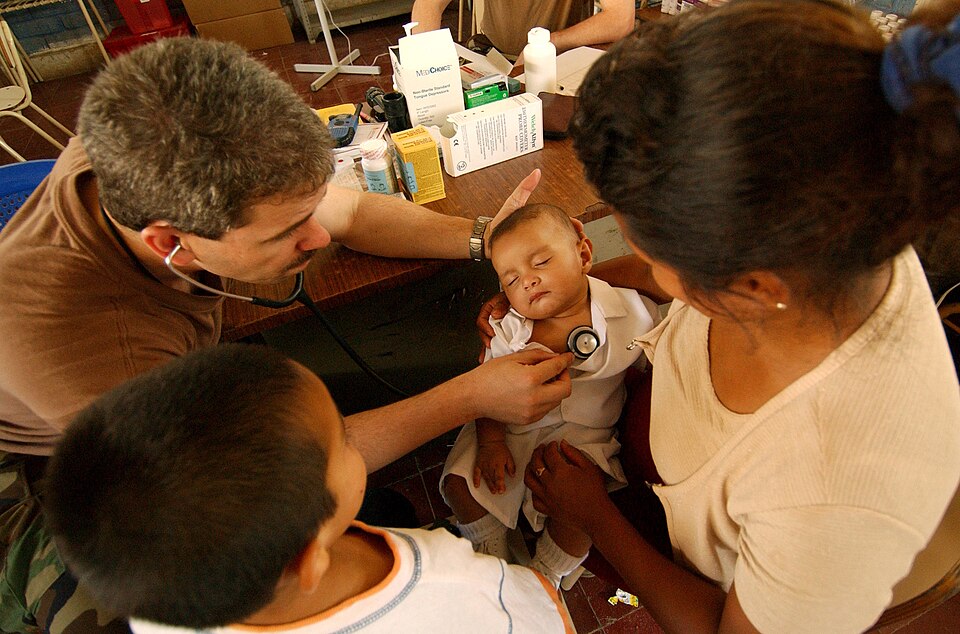
Regular medical checkups, also called well visits, give your doctor a chance to track your growth and development over time. During a checkup, the doctor or nurse measures your height, weight, blood pressure, and heart rate to make sure everything is on track. They will look in your ears, eyes, nose, and throat, listen to your heart and lungs, and check your reflexes. Your doctor may also ask questions about how you are doing in school, how you sleep, what you eat, and how you feel emotionally. These visits are a great time to ask any health questions you have been wondering about.
The Checkup Schedule
Children have many well visits during their first years of life because they are growing and changing so rapidly. Babies typically see their doctor at birth, then at 2 to 4 weeks, and then at 2, 4, 6, 9, and 12 months of age. Toddlers have visits at 15 months, 18 months, 24 months, and 30 months. Starting at age 3, children usually have one well visit per year through adolescence. These schedules may vary slightly depending on your doctor and your individual health needs. Each visit builds on the last, creating a complete picture of your health over time.
Screenings That Catch Problems Early
Screenings are special tests that look for diseases or conditions before any symptoms appear, when treatment is most effective. Blood pressure screening can detect hypertension, a condition that damages blood vessels and organs over time if left untreated. Vision and hearing screenings catch problems that can affect learning and development in school. Blood tests can reveal conditions like anemia, diabetes, or lead exposure that might not show obvious symptoms at first. Catching these problems early through screening often means simpler, less invasive treatment and better outcomes.
Vaccines Protect Against Serious Diseases
Vaccinations are considered the most important preventive health measure for children, protecting them from dangerous and sometimes deadly diseases. The recommended childhood vaccine schedule in the United States protects against 14 diseases by age 2, including measles, whooping cough, and polio. Vaccines work by teaching your immune system to recognize and fight specific germs without you actually getting sick. Before vaccines existed, diseases like polio paralyzed thousands of children every year, and measles killed hundreds. Staying up to date on vaccinations protects not only you but also people around you who may be too young or too sick to be vaccinated.
Dental Checkups
Taking care of your teeth is an important part of preventive health that is easy to overlook. Dentists recommend checkups every 6 months so they can catch small cavities before they become large, painful problems. During a dental visit, a hygienist cleans your teeth to remove plaque and tartar that brushing alone cannot reach. The dentist examines your teeth and gums for signs of decay, gum disease, or other issues. Catching a tiny cavity early means a simple filling, while ignoring it can lead to infections, root canals, or even losing the tooth entirely.
Building Health Literacy
Health literacy is the ability to understand and use health information to make good decisions about your own care. Children build health literacy by paying attention during doctor visits, asking questions when something is confusing, and learning how their bodies work. Understanding how to read a medicine label, knowing when symptoms need a doctor’s attention, and being able to describe how you feel are all health literacy skills. Studies show that people with strong health literacy tend to have better health outcomes throughout their lives. Starting to learn these skills now gives you an advantage that will benefit you for decades.
Taking Charge of Your Health
Preventive care works best when you are an active participant, not just a passive patient. Between checkups, you can practice preventive care every day by eating nutritious foods, exercising regularly, getting enough sleep, and washing your hands frequently. Keeping a record of your vaccinations and medical history helps you and your doctors make informed decisions. If you notice something unusual about your body or how you feel, tell a trusted adult right away rather than waiting for your next scheduled visit. Being proactive about your health is one of the most important habits you can develop.
 OtterKnow Kids Encyclopedia