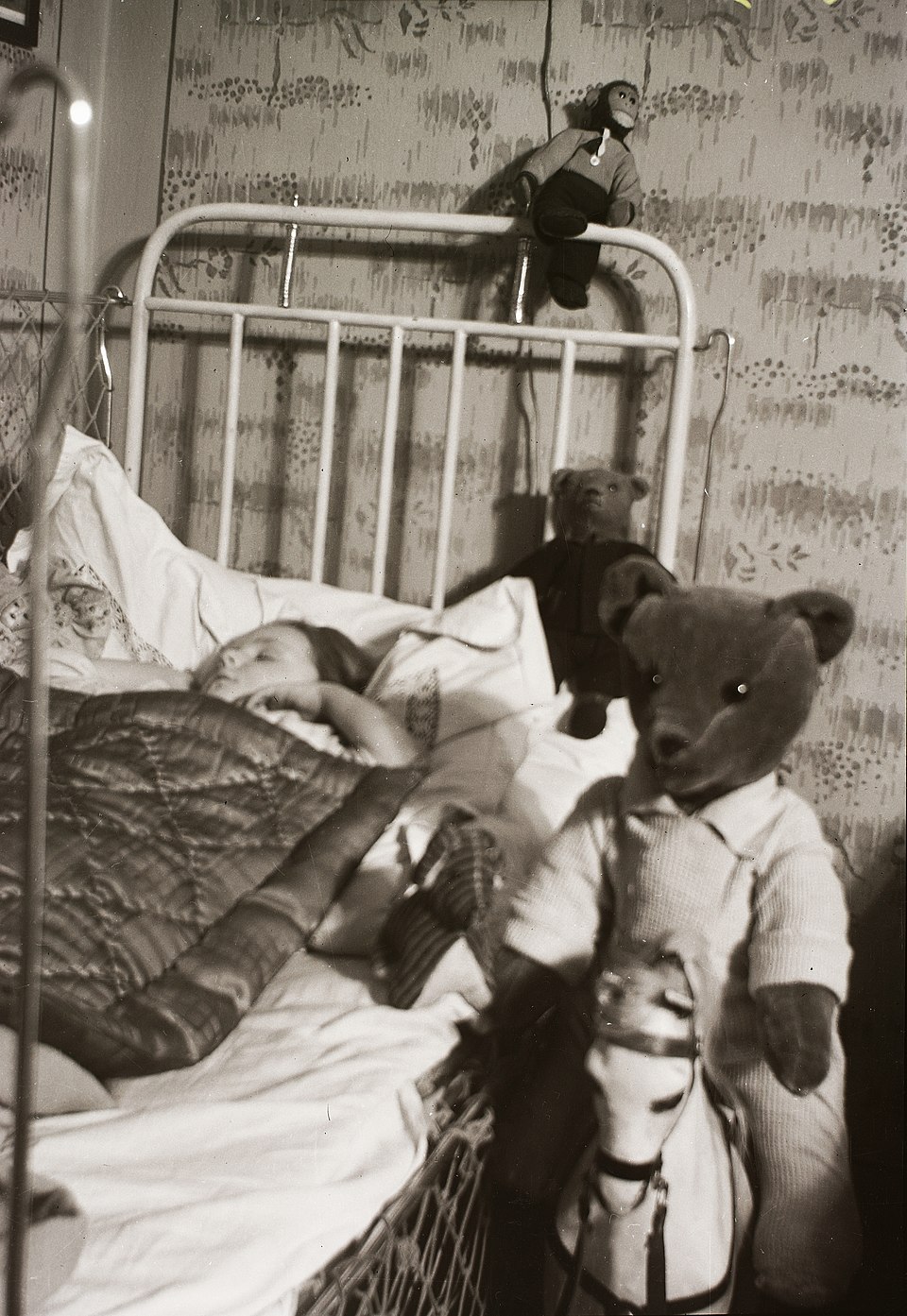
General Guidelines for Staying Home
There are several clear signs that you should stay home from school rather than trying to push through the day. A fever of 100.4 degrees Fahrenheit or 38 degrees Celsius or higher means your body is actively fighting an infection and you should rest at home. Vomiting or diarrhea means you should stay home until at least 24 hours after the last episode. A severe cough that makes it hard to breathe or participate in class, a rash that has not been checked by a doctor, or simply feeling too sick to concentrate are all good reasons to stay home. When in doubt, a parent or guardian can help you decide.
Specific Illness Rules
Some illnesses have their own return-to-school guidelines because they are highly contagious at certain stages. If you have strep throat, you should stay home until you have been on antibiotics for at least 24 hours and your fever is gone. Pinkeye, or conjunctivitis, requires staying home until 24 hours after starting treatment because it spreads very easily through contact. Chickenpox requires staying home until all blisters have crusted over, which usually takes about 5 to 7 days. Your doctor can tell you exactly when it is safe to go back to school for any specific illness.
Why Rest Helps You Heal
Rest is not just lying around doing nothing — it is one of the most powerful things your body can do to fight illness. When you rest, your immune system can focus all its energy on attacking the germs making you sick. Sleep is especially critical because your body releases growth hormone and important immune factors during deep sleep. Studies show that people who get adequate sleep when sick recover significantly faster than those who try to stay active. Even if you feel bored, giving your body the rest it needs is the fastest path back to feeling normal.
Eating and Drinking When Sick
Keeping your body fueled and hydrated when sick is essential, even if you do not feel very hungry. Drinking plenty of fluids is the top priority because fever, vomiting, and diarrhea can all cause your body to lose water quickly. Water, clear broth, and electrolyte drinks help replace the fluids and minerals your body is losing. If your stomach is upset, try bland foods like crackers, toast, bananas, and rice, which are gentle and easy to digest. As you start feeling better, you can gradually return to your normal diet.
Warning Signs to Call a Doctor
Most illnesses will get better on their own with rest and time, but some warning signs mean you need medical help right away. Difficulty breathing, lips or skin turning blue or gray, or a severe headache with a stiff neck are all emergencies that need immediate attention. Seizures, extreme drowsiness, or being very difficult to wake up are also serious warning signs. Signs of severe dehydration include not urinating for 8 hours or more, crying without tears, or having a very dry mouth. If you or a family member notice any of these signs, contact a doctor or call emergency services immediately.
Preventing the Spread at Home
When you are sick at home, you can take steps to protect the other people in your household from catching what you have. Washing your hands frequently with soap and water for at least 20 seconds is the single most effective way to stop germs from spreading. Cover your coughs and sneezes with your elbow, not your hands, and throw away tissues right after using them. If possible, use a separate bathroom from the rest of your family and avoid sharing cups, utensils, or towels. These simple precautions can make the difference between one sick family member and an entire household down with the same bug.
Getting Back to School
Returning to school after an illness requires some thought and planning to make the transition smooth. Make sure you have been symptom-free for the recommended amount of time before heading back, usually 24 hours without fever, vomiting, or diarrhea. Talk to your teacher or a classmate about what schoolwork you missed so you can catch up without feeling overwhelmed. Your first day back, take it easy and do not push yourself too hard in gym class or other physical activities. If symptoms return after you go back to school, let a teacher or school nurse know right away.
 OtterKnow Kids Encyclopedia