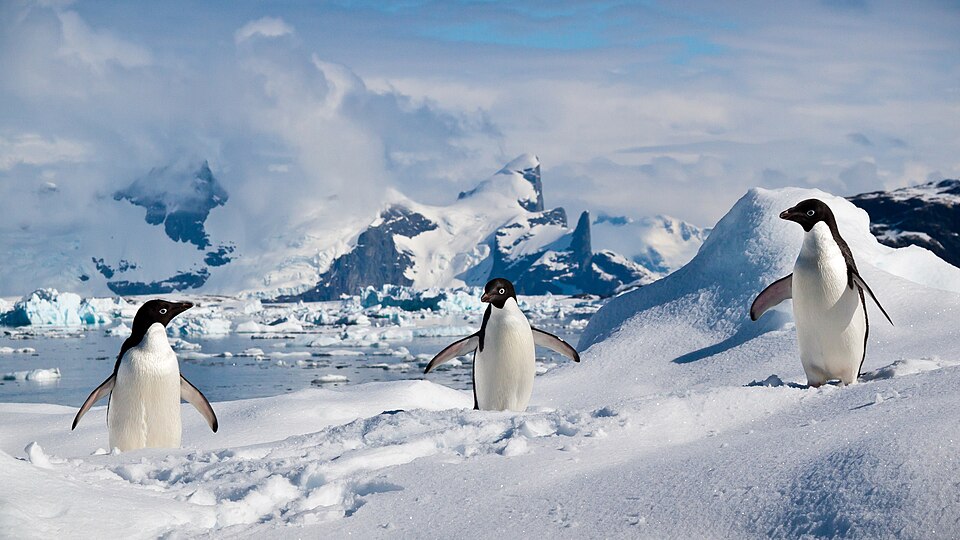
Ice and Climate
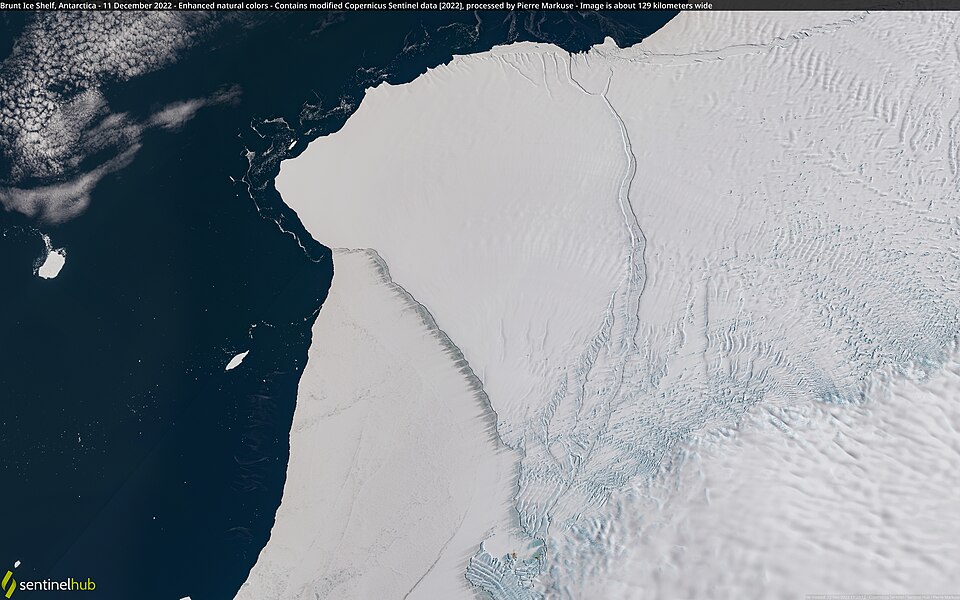
About 98 percent of Antarctica is covered in a thick sheet of ice that can reach up to 4.8 kilometers deep. This enormous ice sheet holds roughly 70 percent of all the fresh water on Earth. The coldest temperature ever recorded on our planet was measured at Antarctica’s Vostok Station in 1983, reaching a bone-chilling -89.2 degrees Celsius (-128.6 degrees Fahrenheit). Antarctica is also considered a desert because it receives very little precipitation, mostly in the form of snow, with some inland areas getting less rainfall than the Sahara.
Land Under the Ice
Beneath all that ice, Antarctica is actually a continent made of rock, with mountains, valleys, and even lakes. The Transantarctic Mountains stretch across the continent, dividing it into East Antarctica and West Antarctica. Scientists have discovered Lake Vostok, one of the largest freshwater lakes in the world, buried under nearly four kilometers of ice. Antarctica also has volcanoes, including Mount Erebus, which is one of the few volcanoes on Earth that has a permanent lake of molten lava in its crater.
Wildlife
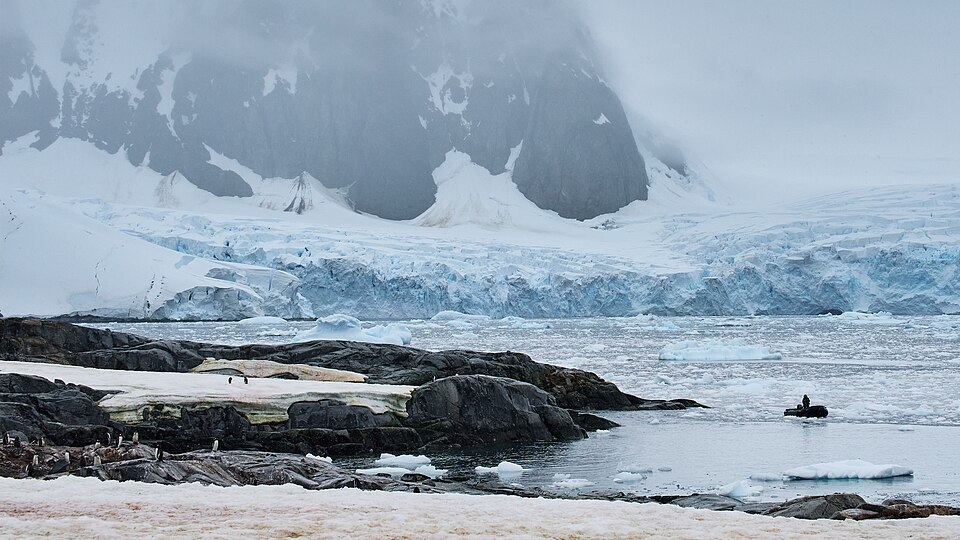
Even though Antarctica is incredibly cold, it is home to some remarkable animals. Emperor penguins are the most famous Antarctic residents, surviving harsh winters by huddling together in large groups to stay warm. Weddell seals live along the coastline and can dive to depths of over 600 meters to find fish. The waters around Antarctica are rich with tiny shrimp-like creatures called krill, which form the base of the food chain and feed whales, seals, and seabirds. During the summer months, humpback whales and orcas migrate to Antarctic waters to feast on krill and fish.
Exploration and Discovery
People did not set foot on Antarctica until the 1800s, making it the last continent to be explored. In 1911, Norwegian explorer Roald Amundsen became the first person to reach the South Pole, beating a British team led by Robert Falcon Scott by about five weeks. Since then, many expeditions have braved the extreme conditions to study this frozen land. Ernest Shackleton’s famous 1914 expedition became a legendary survival story when his ship, the Endurance, was crushed by pack ice and his crew had to find their own way to safety.
Science and Research
Today, Antarctica is home to about 70 research stations operated by more than 30 countries. Between 1,000 and 5,000 scientists and support staff live on the continent at any given time, depending on the season. Researchers study everything from climate change and astronomy to biology and geology. By drilling deep into the ice sheet, scientists can pull out ice cores that contain tiny bubbles of ancient air, giving them a record of Earth’s climate stretching back hundreds of thousands of years. The Antarctic Treaty, signed in 1959, set aside the continent for peaceful scientific research and banned military activity.
Climate Change and the Future
Antarctica plays a huge role in understanding climate change. Scientists have observed that parts of the ice sheet, particularly in West Antarctica, are melting faster than expected. If all of Antarctica’s ice were to melt, global sea levels would rise by about 58 meters, flooding coastlines around the world. Researchers carefully monitor ice shelves, glaciers, and ocean temperatures to track how quickly changes are happening. Protecting Antarctica is important not just for the continent itself, but for the health of the entire planet.
Fun Facts
Antarctica is so cold that if you threw a cup of boiling water into the air, it would freeze before hitting the ground. The continent has 24 hours of daylight during its summer months (December to February) and 24 hours of darkness during winter. Antarctica has no time zones of its own, so research stations simply use the time zone of their home country. The Antarctic ice sheet is so heavy that it pushes the land beneath it down into the Earth’s crust. Winds in Antarctica can reach speeds of over 320 kilometers per hour, making them some of the strongest winds recorded anywhere on Earth.
 OtterKnow Kids Encyclopedia