Geography and Landscapes
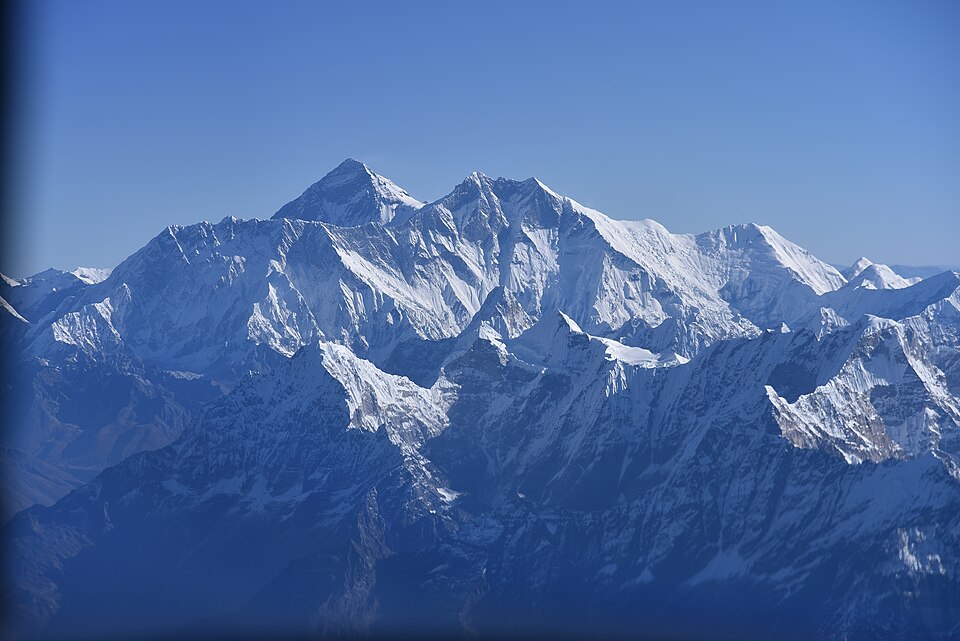
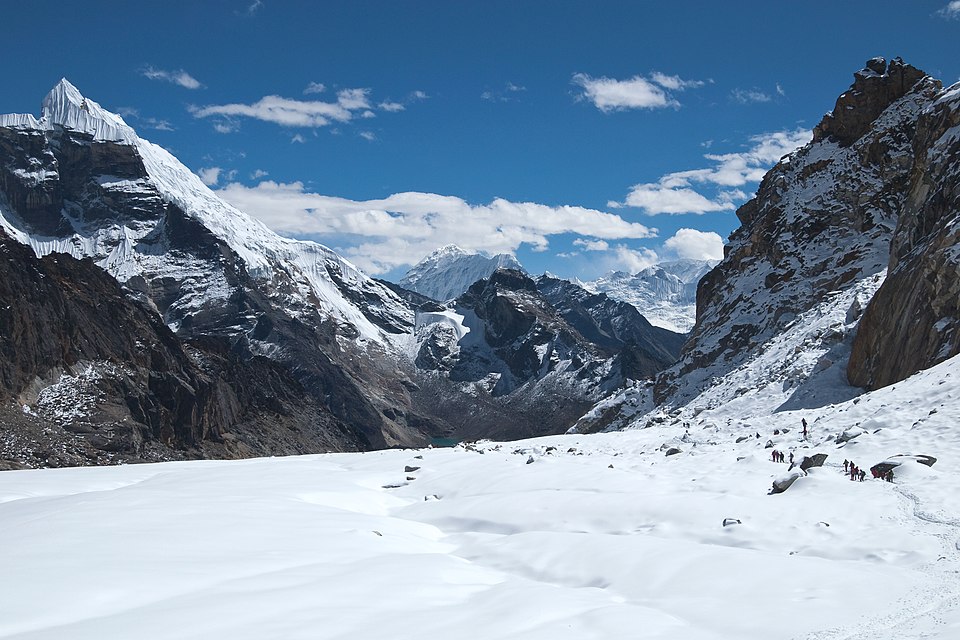
Asia contains some of the most dramatic landscapes found anywhere on Earth. Mount Everest, located in the Himalaya mountain range between Nepal and China, is the highest point on the planet at 8,849 meters above sea level. The Dead Sea, which sits on the border of Israel and Jordan, is the lowest point on land at about 430 meters below sea level. The Tibetan Plateau, often called the “roof of the world,” is the highest and largest plateau on Earth. Asia also contains the Gobi Desert in Mongolia and China, and the frozen wilderness of Siberia in Russia.
Major Rivers
Some of the world’s most important rivers flow through Asia. The Yangtze River in China is the longest river in Asia and the third longest in the world, stretching about 6,300 kilometers. The Yellow River, also in China, is sometimes called the “cradle of Chinese civilization” because ancient communities grew along its banks. The Ganges River in India is considered sacred by millions of Hindus and supports hundreds of millions of people who live near it. The Mekong River flows through six countries in Southeast Asia, providing water for farming and fishing across the region.
Countries and People
Asia is home to 49 countries, ranging from tiny island nations to some of the largest countries in the world. Russia, which spans both Europe and Asia, is the world’s biggest country by area. China and India are the two most populous countries on Earth, each with more than a billion people. The continent’s people speak thousands of different languages, eat many different kinds of food, and celebrate a wide variety of traditions and holidays. Major cities like Tokyo, Shanghai, Mumbai, and Dubai are among the busiest and most modern in the world.
Ancient Civilizations
Some of the oldest civilizations in human history began in Asia. Mesopotamia, located in present-day Iraq, is often called the “cradle of civilization” because people there developed some of the first systems of writing, farming, and government more than 5,000 years ago. The Indus Valley civilization flourished in what is now Pakistan and northwestern India around the same time. Ancient China developed along the Yellow River and gave the world inventions like paper, silk, gunpowder, and the compass. These early civilizations shaped how people live, work, and communicate today.
Religions and Cultures
Many of the world’s major religions began in Asia. Hinduism and Buddhism started in India thousands of years ago and are still practiced by billions of people. Islam began in the Arabian Peninsula in the seventh century and spread across much of Asia and beyond. Christianity also has its roots in Southwest Asia, in the region that is now Israel and Palestine. Asia’s cultural diversity is enormous, with hundreds of languages, unique art forms, traditional dances, and festivals celebrated throughout the continent.
Climate and Wildlife
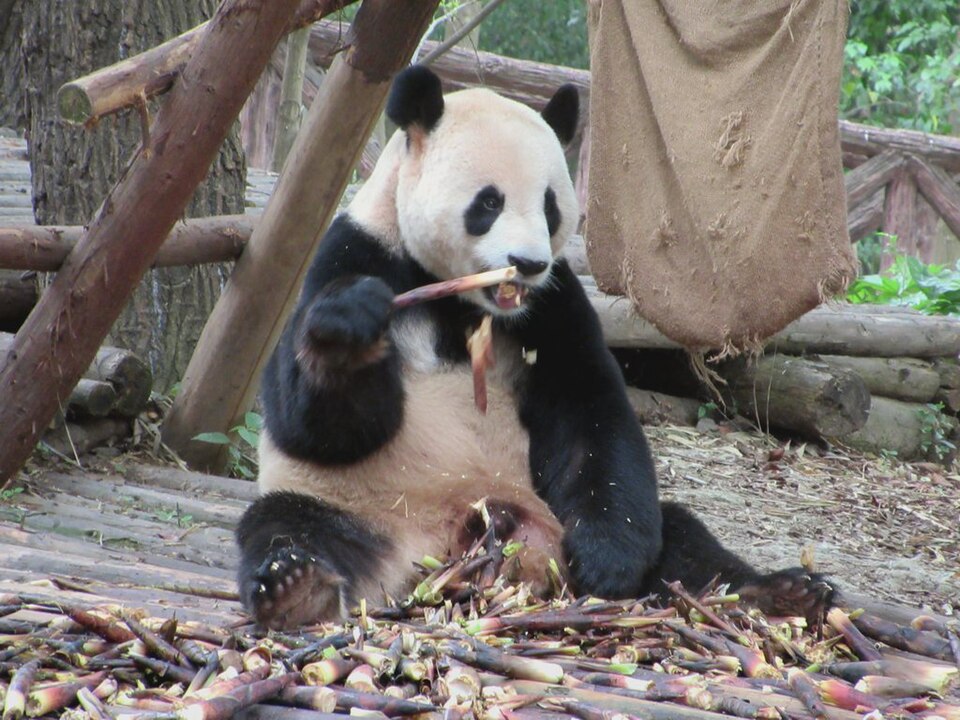
Asia has nearly every type of climate found on Earth. The northern parts of Siberia experience bitterly cold Arctic winters, while tropical rainforests in Southeast Asia stay warm and wet all year round. Monsoon seasons bring heavy rains to South and East Asia, which are essential for growing crops like rice. The continent is home to amazing wildlife, including giant pandas in China, Bengal tigers in India, orangutans in Borneo, and snow leopards in the mountains of Central Asia. Many of these animals are endangered and protected in national parks and wildlife reserves.
Asia Today
Asia is one of the fastest-growing regions in the world, with booming economies and rapidly changing cities. Countries like Japan, South Korea, and Singapore are leaders in technology and innovation. China has become one of the world’s largest economies, and India is growing quickly as well. At the same time, Asia faces challenges like air pollution, deforestation, and the effects of climate change on coastal cities and farming communities. People across the continent are working together to build a better future while preserving their rich history and natural beauty.
 OtterKnow Kids Encyclopedia