Countries and People
South America has 12 countries, and the largest by far is Brazil, which takes up nearly half the continent. Most South American countries speak Spanish, but Brazil is unique because its people speak Portuguese. Other countries include Argentina, Colombia, Peru, Chile, Venezuela, Ecuador, Bolivia, Paraguay, Uruguay, Guyana, and Suriname. The continent’s population is incredibly diverse, with roots tracing back to Indigenous peoples, European colonizers, and African and Asian communities. Major cities like Sao Paulo, Buenos Aires, and Bogota are among the largest and busiest cities in the world.
The Amazon Rainforest
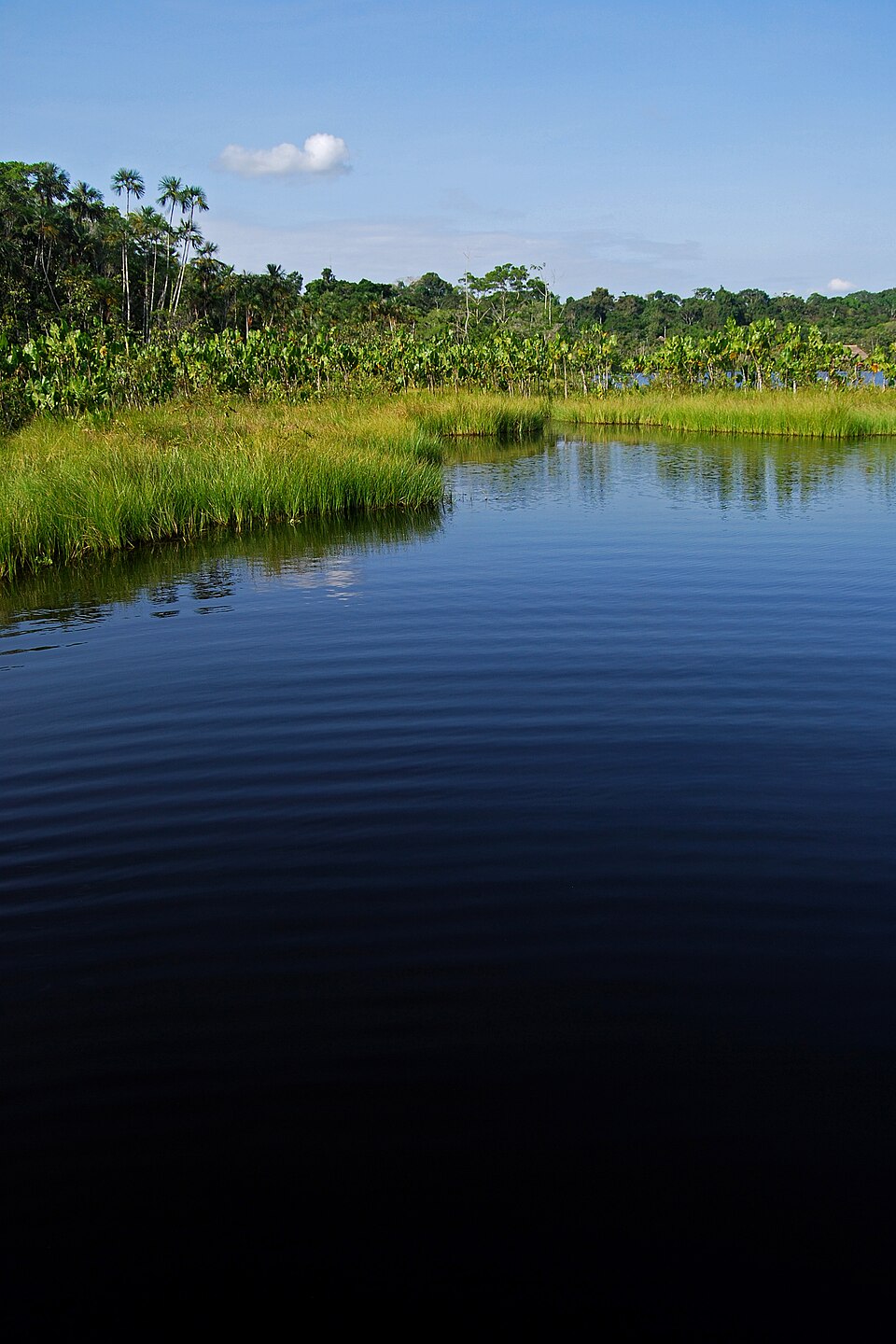
The Amazon Rainforest is the world’s largest tropical rainforest, covering roughly 5.5 million square kilometers across nine countries. It is often called the “lungs of the Earth” because its trees produce a huge amount of the oxygen we breathe. The rainforest is home to an astounding number of species, including jaguars, macaws, river dolphins, and millions of insects. The Amazon River flows through this forest, and it is the largest river in the world by water volume, carrying more water than any other river on the planet. Protecting the Amazon is one of the most important environmental challenges of our time.
The Andes Mountains
The Andes are the longest mountain range in the world, stretching about 7,000 kilometers along the entire western edge of South America. They pass through seven countries, from Venezuela in the north all the way to Chile and Argentina in the south. Some peaks in the Andes rise above 6,000 meters, making them among the tallest mountains outside of Asia. The ancient Inca civilization built its empire high in the Andes, and the famous ruins of Machu Picchu in Peru still stand as a reminder of their skill as builders. Today, millions of people live in Andean cities like Quito, Ecuador, and La Paz, Bolivia.
Deserts, Grasslands, and Waterfalls
South America has some of the most extreme landscapes on Earth. The Atacama Desert in Chile is one of the driest places on the planet, with some areas receiving almost no rainfall for decades. In contrast, the grasslands of Patagonia in southern Argentina stretch for hundreds of kilometers, swept by strong winds and home to guanacos and rheas. Venezuela is home to Angel Falls, the world’s highest uninterrupted waterfall, plunging 979 meters from a flat-topped mountain called a tepui. The continent also has the vast Pantanal wetland, one of the largest freshwater wetland systems in the world.
Ancient Civilizations and History
Long before European explorers arrived, South America was home to powerful civilizations. The Inca Empire, centered in Peru and Bolivia, was the largest empire in the Americas before the 1500s. The Incas built an advanced network of roads, bridges, and terraced farms high in the Andes, and their capital at Cusco was a grand city. Other important cultures included the Nazca, who carved enormous designs into the desert floor, and the Muisca of Colombia, whose gold-working skills inspired the legend of El Dorado. When Spanish and Portuguese colonizers arrived in the 1500s, they dramatically changed the continent’s cultures and populations.
Wildlife and Ecosystems
South America has some of the richest biodiversity on the planet. The Amazon alone is home to about one in ten of all known species on Earth. Colorful toucans, howler monkeys, giant anacondas, and poison dart frogs are just a few of the animals found in the rainforest. In the southern oceans near Patagonia, penguins, sea lions, and whales thrive in the cold waters. The Galapagos Islands, belonging to Ecuador, are famous for their unique wildlife that helped Charles Darwin develop his theory of evolution. From the cloud forests of the Andes to the coral reefs off the coast of Brazil, the continent’s ecosystems are amazingly diverse.
South America Today
Modern South America is a fast-changing part of the world. Brazil has the largest economy on the continent and is a major producer of coffee, soybeans, and sugarcane. Argentina is known for its cattle ranches and beef exports, while Chile is a leading producer of copper. South American culture is celebrated worldwide, from Brazilian Carnival and Argentine tango to Colombian music and Peruvian cuisine. The continent faces important challenges, including protecting the Amazon Rainforest from deforestation and reducing poverty in many communities. Despite these challenges, South America’s people continue to build a dynamic and hopeful future.
 OtterKnow Kids Encyclopedia