Where Is It Located?
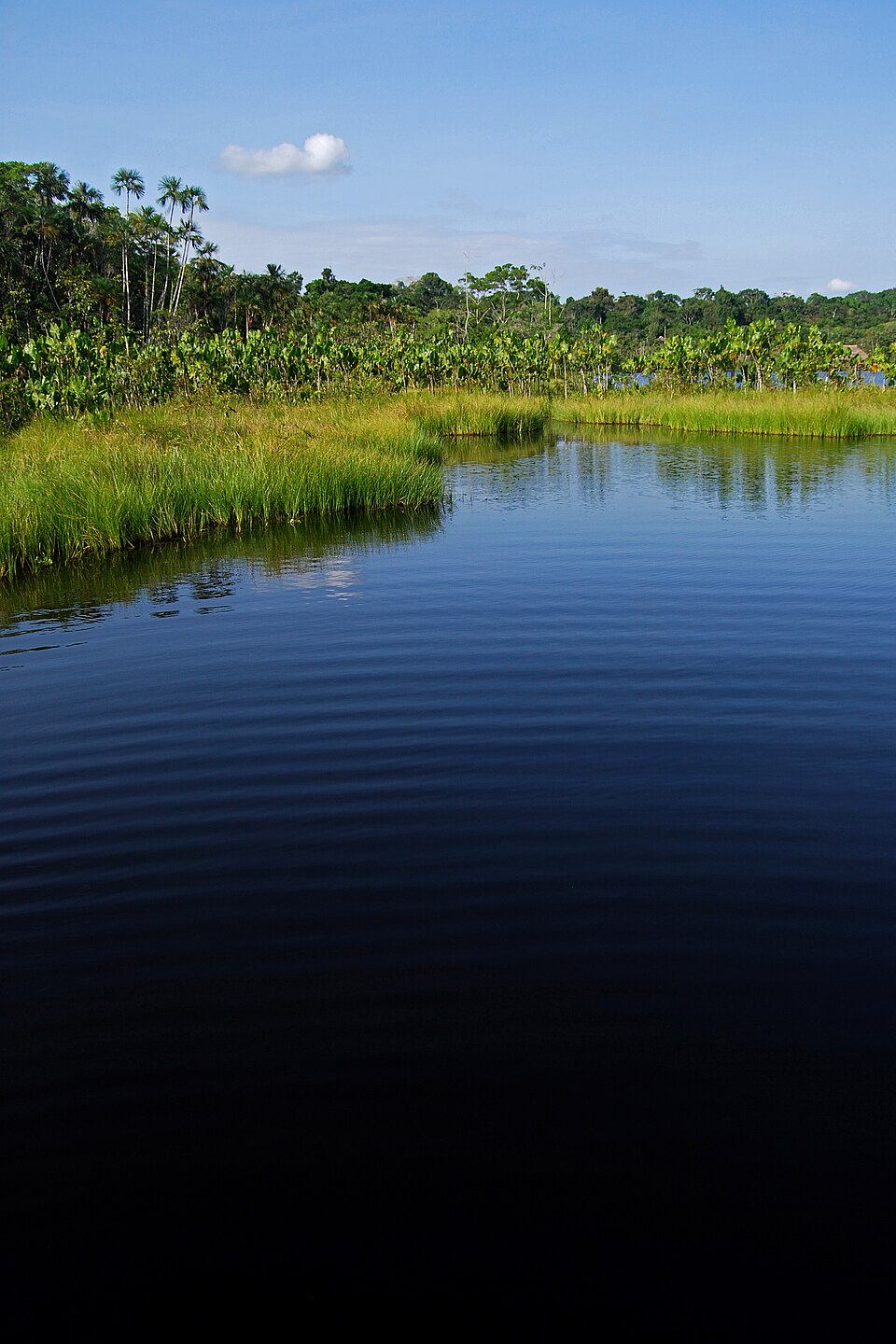
The Amazon Rainforest spreads across a huge portion of northern South America, centered around the basin of the Amazon River. Brazil contains about 60 percent of the rainforest, while significant portions also lie within Peru, Colombia, Venezuela, Ecuador, Bolivia, Guyana, Suriname, and French Guiana. The equator runs directly through the region, which is why the climate stays warm and wet all year round. The forest receives between 2,300 and 2,500 millimeters of rainfall each year, making it one of the wettest places on Earth.
The Amazon River
The Amazon River, which flows through the heart of the rainforest, is the largest river in the world by the volume of water it carries. It stretches about 6,400 kilometers from the Andes Mountains in Peru all the way to the Atlantic Ocean. The river and its more than 1,000 tributaries act like a giant highway, providing water and transportation routes for people and wildlife alike. During the rainy season, parts of the forest flood, creating a unique flooded-forest habitat called the “varzea.”
Layers of the Rainforest
The Amazon Rainforest is organized into distinct layers, each with its own set of plants and animals. The tallest trees form the emergent layer, rising above the main canopy to heights of 60 meters or more. Below that, the canopy is a thick ceiling of leaves and branches where most of the rainforest’s animals live, including monkeys, toucans, and tree frogs. The understory is a darker, more sheltered layer of smaller trees and shrubs, while the forest floor receives very little sunlight and is home to insects, fungi, and large animals like jaguars.
Amazing Wildlife
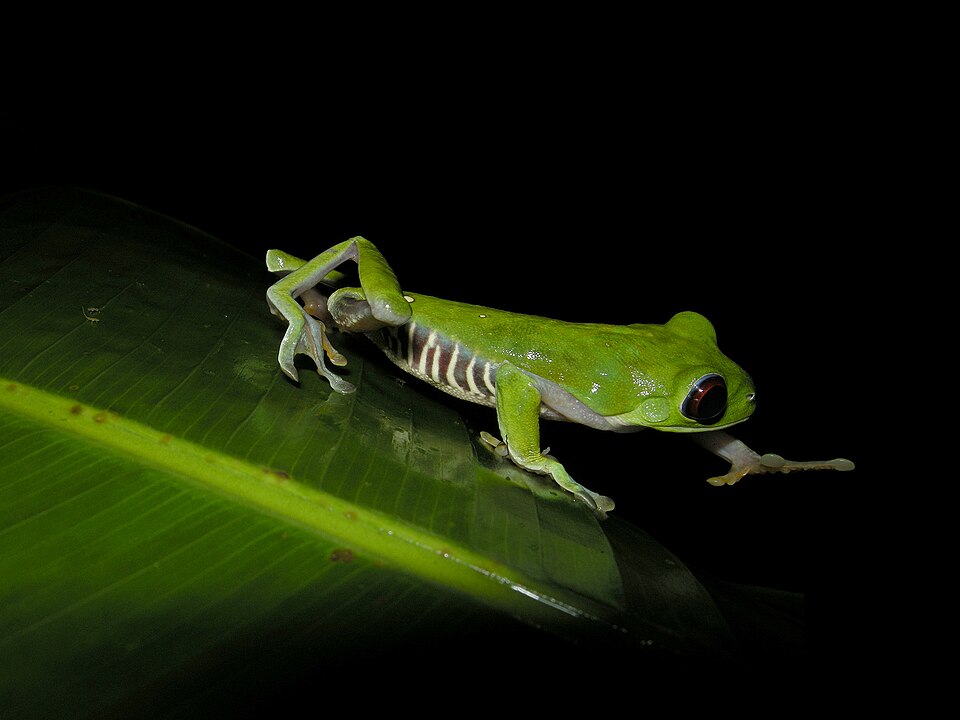
The Amazon is home to at least 10 percent of all known species on Earth, making it the most biodiverse place in the world. Scientists have identified roughly 40,000 plant species, 1,300 bird species, 3,000 fish species, and 430 mammal species living there. Iconic animals include jaguars, anacondas, piranhas, capybaras, and brightly colored macaws. New species are still being discovered every year, and researchers believe many thousands of insects, plants, and other organisms have yet to be identified.
Indigenous Peoples
Over 400 Indigenous tribes call the Amazon Rainforest home, and some of them have lived there for thousands of years. These communities have deep knowledge of the forest’s plants, animals, and natural medicines that modern scientists are only beginning to understand. Many Indigenous groups rely on the forest for food, shelter, and their cultural identity. Some tribes living in the most remote areas have had little or no contact with the outside world and are sometimes called “uncontacted peoples.”
Threats to the Rainforest
Deforestation is the biggest threat facing the Amazon Rainforest today. Since 1970, about 17 percent of the forest has been destroyed, mostly to make room for cattle ranching, farming, logging, and mining. When trees are cut down and burned, the carbon stored inside them is released into the atmosphere, contributing to climate change. Scientists warn that if too much of the forest is lost, the remaining trees may not produce enough moisture to sustain the rainfall the ecosystem depends on.
Why the Amazon Matters
The Amazon Rainforest plays a critical role in regulating the Earth’s climate by absorbing billions of tons of carbon dioxide each year. Its rivers hold about 20 percent of the world’s fresh river water, and its trees help drive weather patterns across South America and beyond. The rainforest is also a treasure chest of potential medicines, foods, and scientific discoveries that could benefit people everywhere. Protecting the Amazon is considered one of the most important environmental challenges of our time.
 OtterKnow Kids Encyclopedia