The Forbidden City
The Forbidden City is a massive imperial palace complex that covers about 720,000 square meters and contains 980 buildings. Chinese emperors lived and ruled from inside its walls from 1420 all the way to 1912, when the last emperor left the throne. It was called “forbidden” because ordinary people were not allowed to enter without special permission. Today the complex is known as the Palace Museum, and it is the most visited museum in the world, welcoming millions of tourists every year. Walking through its grand halls and courtyards gives visitors a glimpse of what life was like for China’s rulers long ago.
Tiananmen Square and Landmarks
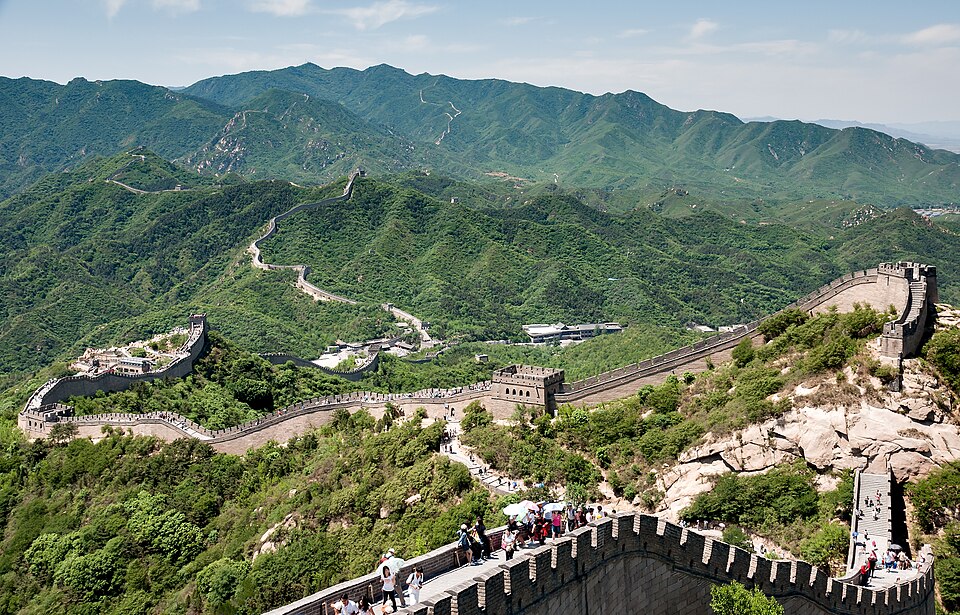
Tiananmen Square sits just in front of the Forbidden City and is one of the largest public squares in the world. The square can hold hundreds of thousands of people and is surrounded by important government buildings and monuments. South of the Forbidden City, the Temple of Heaven is a beautiful complex where emperors once prayed for good harvests each year. Beijing is also close enough to sections of the Great Wall of China that visitors can take a day trip to walk along its ancient stone pathways. These landmarks make Beijing one of the most historically important cities on the planet.
History
People have lived in the area around Beijing for thousands of years, but the city became truly important when the Mongol ruler Kublai Khan made it his capital in the 1200s. The Ming dynasty later rebuilt the city and constructed the Forbidden City in the early 1400s. Beijing remained the capital through the Qing dynasty, the last imperial dynasty in Chinese history. In 1949, it was declared the capital of the People’s Republic of China. Throughout all these changes, the city has kept many of its ancient buildings and traditions alive.
Culture and Food
Beijing is famous for its cultural traditions, including Peking opera, a colorful and dramatic form of theater that combines singing, dancing, and acrobatics. The city is also known around the world for Peking duck, a dish of crispy roasted duck that has been prepared in Beijing for centuries. Hutongs, or narrow alleyways lined with traditional courtyard homes, give visitors a look at how families lived in old Beijing. Street markets and food stalls offer everything from dumplings to candied fruit on sticks. Art, calligraphy, and traditional crafts remain an important part of daily life in the city.
The Olympics
Beijing made history by becoming the only city ever to host both the Summer and Winter Olympic Games. The Summer Olympics were held in 2008, and the iconic Bird’s Nest stadium was built specially for the event. Fourteen years later, in 2022, the city hosted the Winter Olympics, using some of the same venues alongside new ones built in the nearby mountains. Hosting both games showed the world how much the city had grown and modernized. The Olympic legacy continues to shape Beijing, with many of the sports facilities still in use today.
Modern Beijing
Today Beijing is a center of technology, education, and business, with some of China’s top universities and biggest companies based in the city. A massive subway system with hundreds of stations helps millions of people get around every day. Skyscrapers and modern shopping malls stand alongside ancient temples and parks. The city faces challenges common to large metropolises, including air pollution and heavy traffic. Despite these challenges, Beijing continues to grow and attract people from across China and around the world.
Fun Facts
- Beijing is one of the oldest continuously inhabited cities in the world, with a history stretching back over 3,000 years.
- The Forbidden City has nearly 9,000 rooms, and legend says it took about a million workers to build.
- Beijing’s subway system is one of the busiest in the world, carrying billions of riders each year.
- The city has seven UNESCO World Heritage Sites, more than almost any other city on Earth.
 OtterKnow Kids Encyclopedia