Ancient Aztec Roots
Mexico City was built on the ruins of Tenochtitlan, the ancient capital of the Aztec Empire. The Aztecs founded Tenochtitlan in 1325 on an island in the middle of Lake Texcoco. According to legend, the Aztecs chose the spot after seeing an eagle perched on a cactus eating a snake, which is now shown on the Mexican flag. When Spanish conquistadors arrived in 1521, Tenochtitlan was one of the largest cities in the world, with an estimated population of over 200,000 people. The Spanish tore down many Aztec buildings and used the stones to construct a new colonial city on top of the old one.
Famous Landmarks
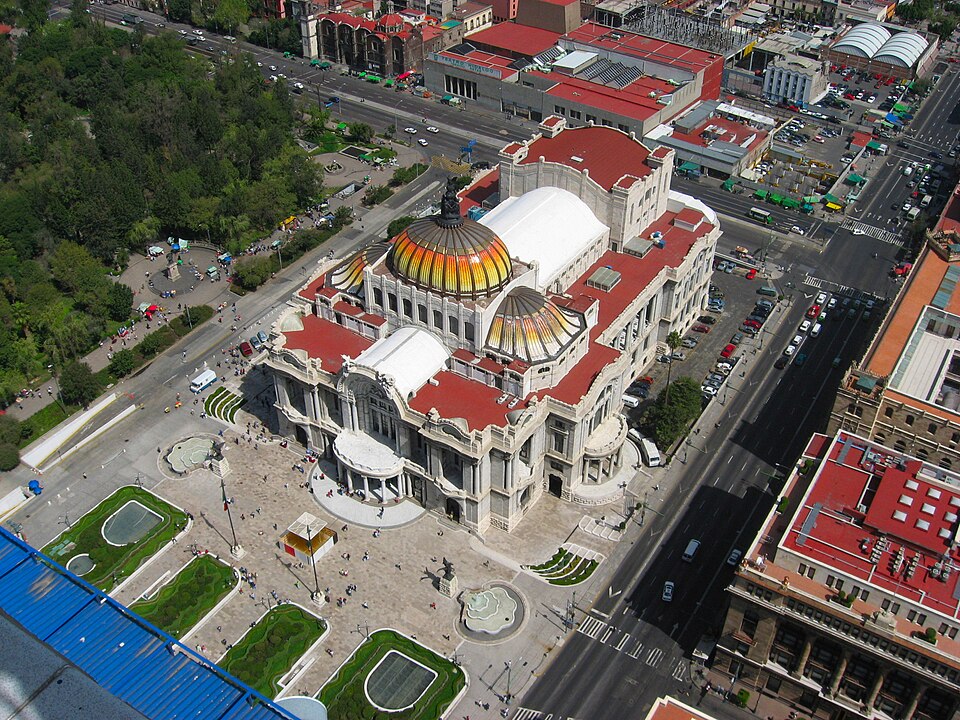
The Zocalo, officially called the Plaza de la Constitucion, is Mexico City’s main square and one of the largest city squares in the world. Nearby stands the Metropolitan Cathedral, one of the oldest and largest cathedrals in the Americas, which took nearly 250 years to build. The National Palace, located on the east side of the Zocalo, houses famous murals by the artist Diego Rivera that tell the story of Mexico’s history. The Palace of Fine Arts is an ornate marble building where visitors can enjoy opera, ballet, and exhibitions of Mexican art. Chapultepec Castle, perched on a hill in Chapultepec Park, is the only royal castle in the Americas and now serves as a history museum.
Museums and Culture
Mexico City is home to more than 150 museums, making it one of the cities with the most museums in the world. The National Museum of Anthropology is considered one of the greatest archaeological museums on Earth, with artifacts from ancient civilizations including the famous Aztec Sun Stone. The city is also known for its colorful street art, with colorful murals covering buildings in many neighborhoods. Mariachi music, which originated in western Mexico, fills the plazas and restaurants of the city, especially in the famous Plaza Garibaldi. Festivals like the Day of the Dead bring the streets to life with elaborate altars, parades, and traditional foods each November.
The Floating Gardens of Xochimilco
The Floating Gardens of Xochimilco are one of Mexico City’s most unique attractions and a UNESCO World Heritage Site. These gardens are remnants of the ancient Aztec chinampas, which were artificial islands built on the lake for farming. The Aztecs created chinampas by piling up mud, reeds, and soil in shallow lake waters, then planting crops on top. Today, visitors can ride colorful flat-bottomed boats called trajineras through the canals while enjoying food and music. Xochimilco is one of the last places where you can still see how the landscape looked before the Spanish arrival.
Geography and Challenges
Mexico City sits in the Valley of Mexico, a large basin surrounded by mountains and volcanoes, including the snow-capped peaks of Popocatepetl and Iztaccihuatl. Because the city was built on the soft sediment of ancient Lake Texcoco, it sinks a few centimeters each year, causing buildings to tilt and infrastructure to crack. The city also experiences frequent earthquakes because it sits near several fault lines, and the soft lake bed amplifies shaking. A devastating earthquake in 1985 killed thousands of people and led to major improvements in building safety codes. The high altitude means the air has less oxygen, which visitors from lower elevations sometimes notice when they first arrive.
Food and Daily Life
Mexico City is famous for its street food culture, with vendors on nearly every corner selling tacos, tamales, elote (grilled corn), and churros. The city’s Central de Abasto is one of the largest wholesale food markets in the world, supplying food to millions of people every day. Families in Mexico City often gather for long meals on weekends, and Sunday is a popular day for visiting parks and plazas. The city has an extensive metro system that carries millions of riders each day, making it one of the busiest subway networks in the world. Despite its enormous size, Mexico City is known for its warm, welcoming culture and strong sense of community in its many distinct neighborhoods, called colonias.
Mexico City Today
Today, Mexico City is a major global city and the economic, political, and cultural heart of Mexico. It produces a large share of the country’s total economic output and is home to major universities, technology companies, and international organizations. The city has been working to become greener, with large parks, bike-sharing programs, and efforts to improve air quality. Every Sunday, one of the city’s main avenues is closed to cars and opened to cyclists, joggers, and pedestrians in an event called Muevete en Bici. Mexico City continues to grow and change, blending its ancient heritage with modern life.
 OtterKnow Kids Encyclopedia