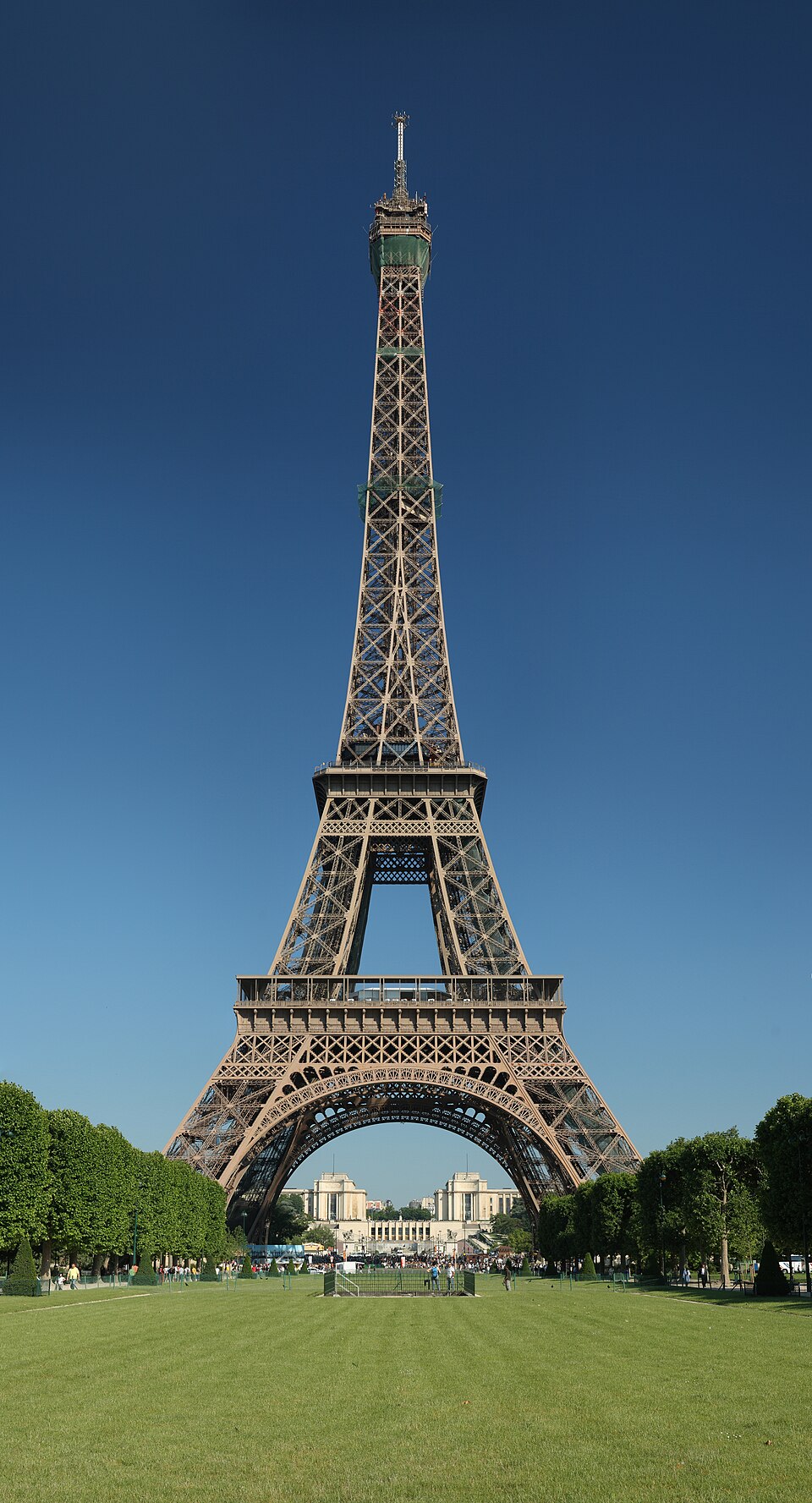
The Eiffel Tower
The Eiffel Tower is the most recognizable landmark in Paris and one of the most famous structures in the world. It was built by the engineer Gustave Eiffel for the 1889 World’s Fair, which celebrated the 100th anniversary of the French Revolution. The iron tower stands about 330 meters tall, making it one of the tallest structures in Europe. When it was first built, many Parisians thought it was ugly, but today it is beloved by people around the world. Nearly seven million visitors climb or ride elevators to the top each year to enjoy sweeping views of the city.
Museums and Art
Paris is home to some of the greatest museums on the planet. The Louvre Museum is the most visited museum in the world and houses the famous painting the Mona Lisa by Leonardo da Vinci. The Musée d’Orsay displays masterpieces by Impressionist painters such as Claude Monet, Pierre-Auguste Renoir, and Edgar Degas, who all lived and worked in Paris. In fact, Paris was the birthplace of the Impressionist art movement in the 1800s, which changed the way artists painted light and color. From ancient Egyptian artifacts to modern sculptures, Paris has a museum for every interest.
Notre-Dame Cathedral
Notre-Dame Cathedral is one of the finest examples of Gothic architecture in the world. Construction began in 1163 and was not completed until around 1345, meaning it took nearly 200 years to build. The cathedral is famous for its colorful stained-glass windows, flying buttresses, and stone gargoyles perched along the roofline. In April 2019, a devastating fire severely damaged the roof and caused the cathedral’s iconic spire to collapse. A massive restoration effort followed, and the cathedral reopened to the public in December 2024.
The Seine River and Bridges
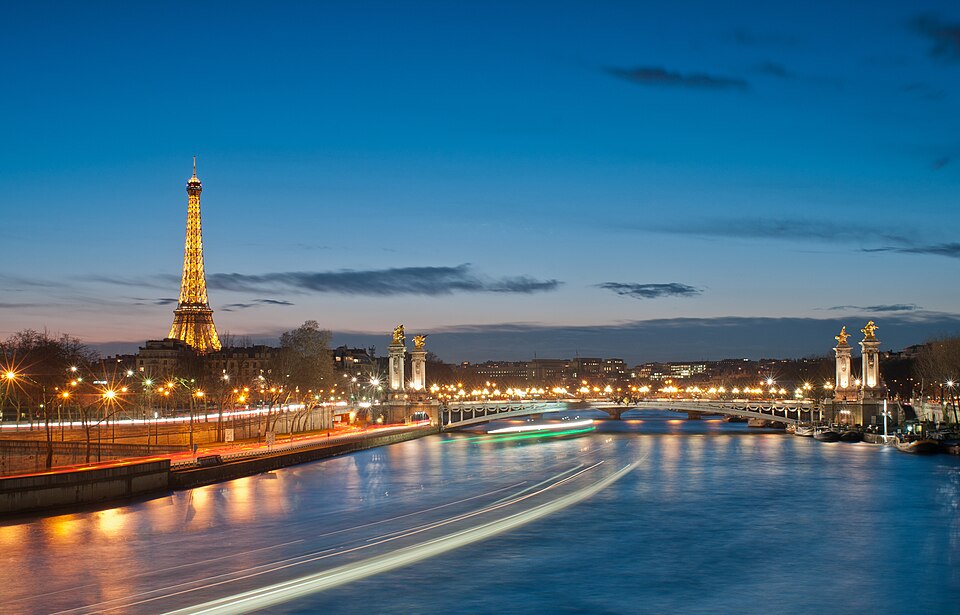
The Seine River flows for about 13 kilometers through the heart of Paris, dividing the city into the Left Bank and the Right Bank. More than 30 bridges span the river, and many of them are architectural treasures in their own right. The Pont Neuf, which means “New Bridge,” is actually the oldest standing bridge in Paris, completed in 1607. Boat tours along the Seine are one of the most popular ways for visitors to see the city’s landmarks from the water. The riverbanks themselves are a UNESCO World Heritage Site because of their historical and cultural importance.
City of Light
Paris is often called the “City of Light,” a nickname with two meanings. One reason is that Paris was among the first major cities in Europe to install widespread gas street lighting in the early 1800s, making its boulevards glow at night. The other reason is that Paris has long been a center of learning and new ideas during periods like the Enlightenment. Today the city still sparkles after dark, with monuments like the Eiffel Tower lit up every evening. The broad tree-lined avenues and elegant buildings give Paris a beauty that has inspired writers, artists, and dreamers for centuries.
Getting Around Paris
The Paris Métro is one of the oldest and busiest subway systems in the world, having opened its first line in 1900. Today the Métro has 16 lines and hundreds of stations, making it easy to travel across the city quickly. Many Parisians also get around by bus, bicycle, or on foot through the city’s wide sidewalks and parks. The Champs-Élysées, one of the most famous avenues in the world, stretches from the Place de la Concorde to the Arc de Triomphe. Paris is also known for its outdoor cafés, bakeries, and markets where people stop to enjoy fresh bread, pastries, and coffee.
Fashion and Culture
Paris is considered one of the fashion capitals of the world, hosting Fashion Week twice a year in the spring and fall. Famous fashion houses such as Chanel, Dior, and Louis Vuitton were all founded in Paris. Beyond fashion, the city is a hub for film, theater, literature, and cuisine. French cooking traditions that began in Paris have influenced chefs and restaurants around the globe. From its world-class restaurants to its neighborhood crêpe stands, Paris offers an unforgettable experience for visitors of all ages.
 OtterKnow Kids Encyclopedia