Ancient Rome and the Roman Empire
Rome was founded in 753 BCE, according to legend, by twin brothers named Romulus and Remus. Over the centuries, it grew from a small settlement along the Tiber River into the capital of one of the largest empires in history. At its height, the Roman Empire stretched from Britain in the northwest all the way to Mesopotamia in the east. Ancient Romans invented concrete, built thousands of miles of roads, and constructed aqueducts to carry water across great distances — technologies that influenced building and engineering for centuries to come.
The Colosseum
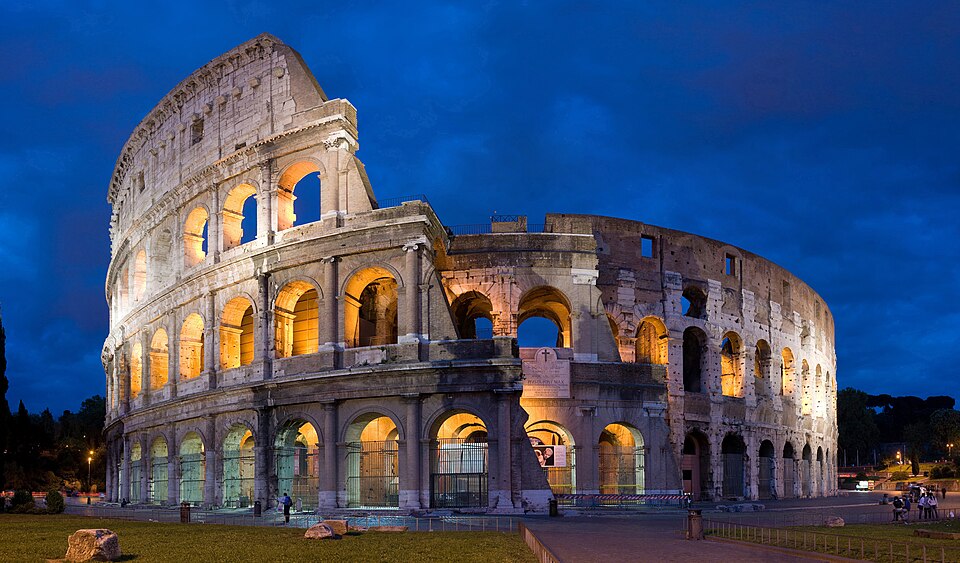
The Colosseum is perhaps Rome’s most recognizable landmark. Built between 70 and 80 CE, this massive oval arena could hold up to 80,000 spectators who came to watch gladiator contests, animal hunts, and other public events. Although earthquakes and stone robbers have damaged parts of the structure over the centuries, much of it still stands today. The Colosseum is now one of the most visited tourist attractions in the world and a symbol of ancient Roman engineering.
The Pantheon and Other Ancient Sites
The Pantheon, built around 125 CE during the reign of Emperor Hadrian, is one of the best-preserved ancient buildings in the world. Its enormous concrete dome was the largest unreinforced dome ever built for more than 1,300 years. Rome is also home to the Roman Forum, where senators once debated laws, and the Circus Maximus, an ancient chariot-racing stadium. The city contains more UNESCO World Heritage Sites than any other city on Earth.
Vatican City
Located entirely within the borders of Rome, Vatican City is the smallest independent country in the world. It covers only about 44 hectares — roughly the size of a large shopping mall — and has fewer than 1,000 residents. Vatican City is the headquarters of the Roman Catholic Church and the home of the Pope. Visitors flock to St. Peter’s Basilica and the Sistine Chapel, where they can see Michelangelo’s famous ceiling paintings.
Fountains, Piazzas, and Art
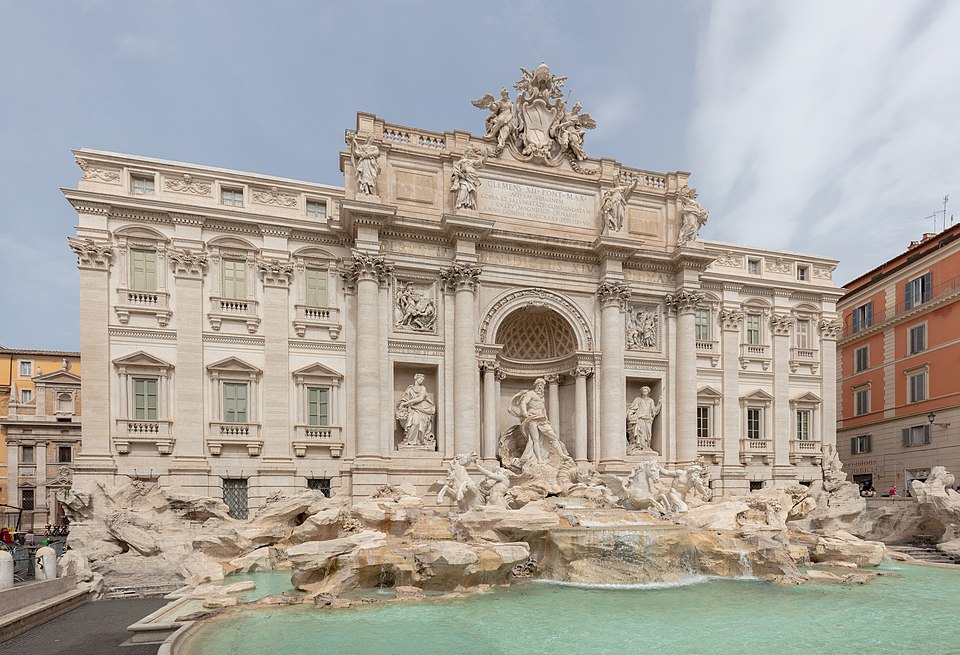
Rome is famous for its beautiful fountains and public squares, called piazzas. The Trevi Fountain, completed in 1762, is the largest Baroque fountain in Rome, and tradition says that tossing a coin into it guarantees you will return to the city someday. The city’s museums and galleries hold some of the greatest artworks ever created, including sculptures and paintings from the Renaissance. Walking through Rome’s streets feels like stepping through an open-air museum where ancient and modern life blend together.
Daily Life in Rome Today
Modern Rome is a busy, lively city where history is part of everyday life. Romans might ride a bus past a 2,000-year-old temple on their way to work or enjoy a gelato in a piazza built centuries ago. Italian food is central to Roman culture, and dishes like pasta carbonara and supplì (fried rice balls) originated here. The city is also home to two major football clubs, AS Roma and SS Lazio, whose rivalry is one of the most passionate in European sports.
Why Rome Matters
Rome’s influence on the modern world is hard to overstate. Roman law, language, architecture, and government shaped Western civilization in ways that are still felt today. Many English words come from Latin, the language spoken by ancient Romans, and modern legal systems draw on Roman legal ideas. Rome offers something for everyone and remains one of the most important cities on the planet.
 OtterKnow Kids Encyclopedia