History and Name
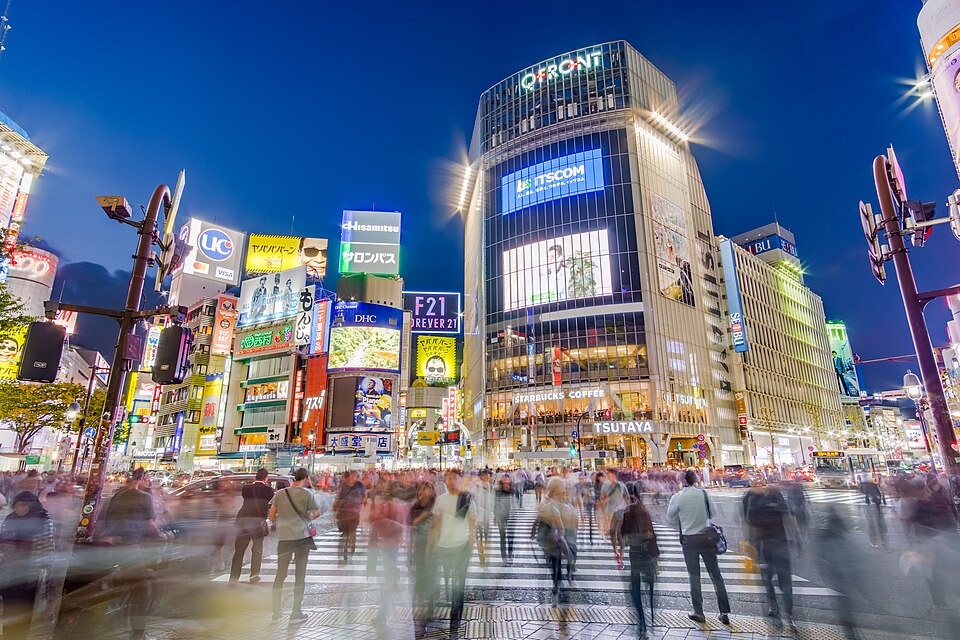
The city was originally called Edo, a small fishing village that grew into a powerful political center during the 1600s. In 1869, when the emperor moved the imperial capital from Kyoto to Edo, the city was renamed Tokyo, which means “Eastern Capital” in Japanese. Tokyo was largely destroyed twice in the twentieth century — first by the Great Kanto Earthquake of 1923, and again by widespread bombing during World War II. Each time, the people of Tokyo rebuilt their city, transforming it into an increasingly modern metropolis.
Getting Around
Tokyo’s train and subway system is one of the busiest in the world, carrying over 40 million passengers every day. Trains are known for running exactly on time, and the stations are remarkably clean and well-organized. The famous bullet trains, called Shinkansen, connect Tokyo to other major cities across Japan at speeds of up to 320 kilometers per hour. Walking and cycling are also popular ways to get around the city’s many neighborhoods.
Famous Landmarks
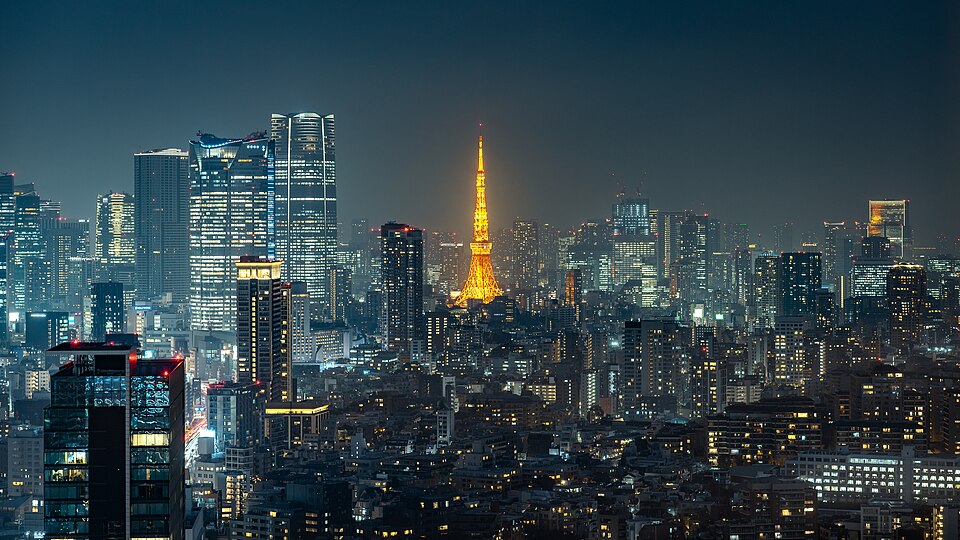
On clear days, the snow-capped peak of Mount Fuji can be seen from many parts of Tokyo, even though it is about 100 kilometers away. The Senso-ji temple in the Asakusa district is one of Tokyo’s oldest and most visited Buddhist temples. The Tokyo Skytree, standing at 634 meters tall, is the tallest tower in the world and offers sweeping views of the city. Tokyo Disneyland, which opened in 1983, was the first Disney theme park built outside the United States.
Food and Dining
Tokyo has more Michelin-starred restaurants than any other city in the world, with over 200 restaurants earning this honor. You can find everything from high-end sushi counters to tiny ramen shops tucked under train tracks. Street food is popular in areas like Tsukiji Outer Market, where visitors can try fresh seafood, tamagoyaki (sweet rolled eggs), and other Japanese treats. Japanese cuisine from Tokyo, including sushi and tempura, is enjoyed by people all over the globe.
Culture and Neighborhoods
Tokyo is a city of distinct neighborhoods, each with its own personality. Harajuku is known worldwide for its creative and colorful street fashion, where young people express themselves through bold clothing styles. The Akihabara district is a paradise for fans of electronics, video games, and anime. In contrast, quiet residential streets lined with small gardens and local shops can be found just minutes away from the busiest areas.
Modern Tokyo
Today, Tokyo is one of the world’s safest, cleanest, and most efficient large cities. It is a global leader in technology, robotics, and innovation, with companies like Sony, Nintendo, and Toyota headquartered in the greater Tokyo area. The city hosted the Summer Olympic Games in both 1964 and 2021, showcasing Japan’s progress on the world stage. With its blend of neon-lit skyscrapers, peaceful gardens, and bustling markets, Tokyo continues to draw visitors from every corner of the world.
 OtterKnow Kids Encyclopedia