Names and Meaning
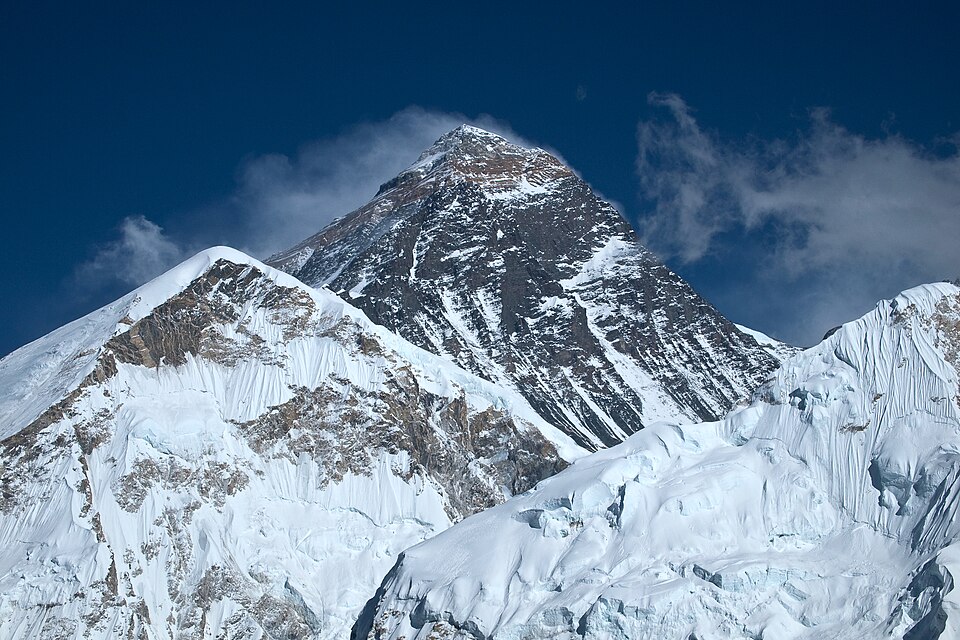
People who live near Mount Everest have their own names for it that are much older than the English name. In Nepali, the mountain is called Sagarmatha, which means “forehead of the sky.” Tibetan people call it Chomolungma, meaning “goddess mother of the world.” Both names reflect the deep respect that local communities have for this towering peak. The mountain holds spiritual significance for the people of Nepal and Tibet, who have lived in its shadow for thousands of years.
The First to Reach the Top
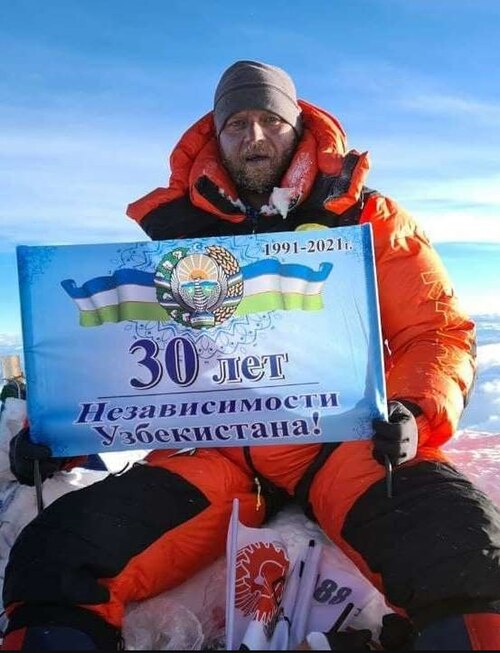
On May 29, 1953, Edmund Hillary of New Zealand and Tenzing Norgay, a Sherpa from Nepal, became the first people confirmed to reach the summit of Mount Everest. Their historic climb was part of a British expedition that had spent weeks working their way up the mountain. Tenzing Norgay was an experienced mountain guide who had attempted the climb several times before. Since that famous first ascent, over 6,000 people have reached the summit, including climbers as young as 13 and as old as 80. Hillary and Norgay became international heroes and inspired generations of mountaineers.
The Death Zone
Above 8,000 meters (26,247 feet), climbers enter what is known as the Death Zone. At this extreme altitude, the air contains so little oxygen that the human body begins to weaken rapidly. Climbers must use bottled oxygen tanks to breathe and can only survive in the Death Zone for a short time. Thinking clearly becomes difficult, and even simple tasks like putting on gloves can feel impossible. The Death Zone is one of the most dangerous places on Earth, and climbers try to pass through it as quickly as they can.
Dangers of the Climb
Climbing Mount Everest is extremely dangerous, and more than 300 people have died attempting to reach its summit. The main threats include sudden avalanches, extreme cold with temperatures dropping below minus 40 degrees, and the lack of oxygen at high altitude. Powerful storms can trap climbers on the mountain for days with no way to move up or down. Deep crevasses hidden under snow can swallow climbers without warning. Even with modern equipment and experienced guides, Everest remains one of the most challenging climbs in the world.
When Climbers Go
The climbing season on Mount Everest is very short because the weather is harsh for most of the year. Most climbers attempt the summit in May, when a brief window of calmer weather opens up before the summer monsoon arrives. A second, less popular window occurs in October after the monsoon season ends. Expeditions typically spend several weeks on the mountain, moving between a series of camps to let their bodies adjust to the thin air. Even during the best weather windows, sudden storms can force climbers to turn back just short of the summit.
Protecting Everest
Mount Everest faces serious environmental challenges from the thousands of climbers who visit each year. Over the decades, climbers have left behind tents, oxygen tanks, food containers, and other waste on the mountain’s slopes. Nepal now requires climbers to carry their waste back down with them and charges a deposit that is returned only when trash is brought back. Cleanup expeditions have removed thousands of kilograms of garbage from the mountain. Protecting Everest is important not only for the mountain itself but also for the communities downstream that depend on its glaciers for fresh water.
Everest by the Numbers
Mount Everest attracts hundreds of climbers from around the world each year, and the number continues to grow. A climbing permit from the Nepalese government costs around 11,000 dollars, and a full guided expedition can cost 30,000 to 100,000 dollars or more. The trek to Base Camp alone takes about two weeks of hiking through the Khumbu region of Nepal. Climbers must be in excellent physical condition and usually train for a year or more before attempting the summit. Despite all the preparation and expense, only about half of all summit attempts are successful.
 OtterKnow Kids Encyclopedia