Size and Depth
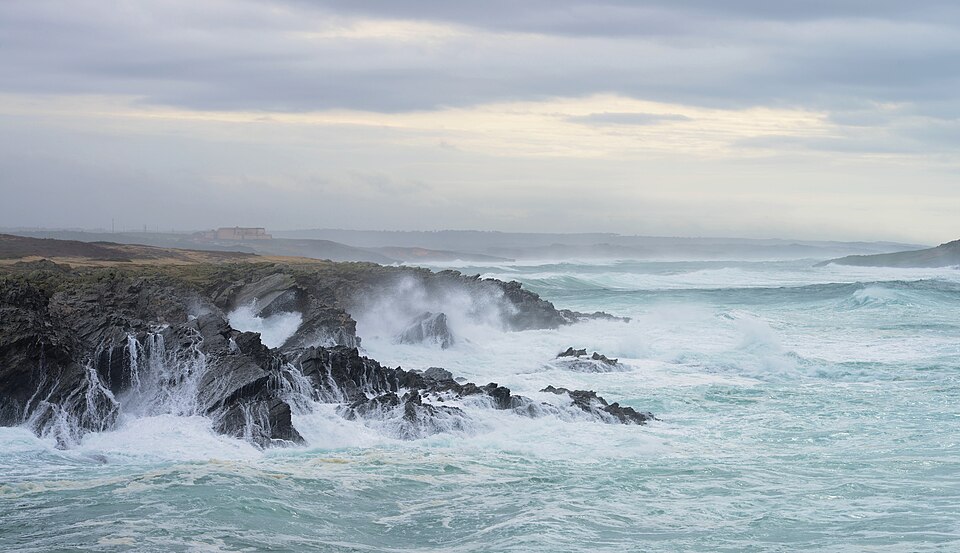
The Atlantic Ocean has an average depth of about 3,332 meters, making it deeper than the Arctic Ocean but shallower than the Pacific Ocean. Its deepest point is the Puerto Rico Trench, which plunges to 8,376 meters below the surface — deep enough to swallow Mount Everest with room to spare. The Atlantic is shaped somewhat like the letter S, curving between the continents on either side. It includes several important smaller bodies of water, such as the Caribbean Sea, the Mediterranean Sea, and the Gulf of Mexico. The ocean is slowly getting wider — by about 2.5 centimeters each year — as the continents on either side drift apart.
The Mid-Atlantic Ridge
One of the most remarkable features hidden beneath the Atlantic is the Mid-Atlantic Ridge, an underwater mountain range that runs down the center of the ocean for about 16,000 kilometers. It is one of the longest mountain ranges on Earth, though most of it lies deep below the waves. The ridge sits on the boundary between several tectonic plates — the massive slabs of rock that make up Earth’s outer shell. As these plates slowly pull apart, hot molten rock rises from below to fill the gap, creating new ocean floor. In a few places, the ridge pokes above the water’s surface, forming volcanic islands like Iceland and the Azores.
Ocean Currents and Climate
The Atlantic Ocean is home to powerful currents that move enormous amounts of water — and heat — around the planet. The Gulf Stream is one of the most important, carrying warm water from the Gulf of Mexico northward along the east coast of North America and then across toward Europe. This current is the reason Western Europe has milder winters than places at the same latitude in North America. The Atlantic also has deep, cold currents that flow along the ocean floor, forming part of a global “conveyor belt” that helps regulate Earth’s climate. Changes in these currents can affect weather patterns, rainfall, and temperatures across multiple continents.
Atlantic Wildlife
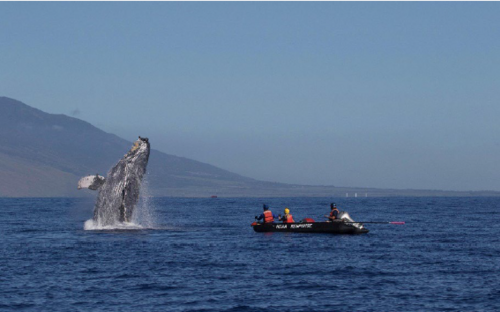
The Atlantic Ocean teems with life, from tiny floating plankton to enormous whales. Humpback whales migrate through the Atlantic each year, traveling from cold feeding grounds near the poles to warm tropical waters where they give birth. Atlantic bluefin tuna are powerful swimmers that cross the entire ocean, and sea turtles like the loggerhead travel thousands of kilometers between nesting beaches and feeding areas. The ocean’s coral reefs, kelp forests, and open waters support countless species of fish, invertebrates, and seabirds. Unfortunately, overfishing, pollution, and warming waters threaten many Atlantic species and the ecosystems they depend on.
History and Exploration
The Atlantic Ocean has shaped human history in profound ways. The Vikings crossed the North Atlantic around the year 1000, reaching North America centuries before other Europeans. In 1492, Christopher Columbus sailed west across the Atlantic and reached the Caribbean, opening an era of European exploration and colonization of the Americas. Tragically, the Atlantic was also the route of the transatlantic slave trade from the 1500s through the 1800s, during which millions of enslaved Africans were forced across the ocean under horrific conditions. In 1912, the famous ocean liner Titanic sank in the North Atlantic after striking an iceberg, resulting in one of the deadliest maritime disasters in history.
Resources and Economy
The Atlantic Ocean has long been vital to the world’s economy. Major shipping lanes cross the Atlantic, carrying goods between the Americas, Europe, and Africa. Some of the world’s most productive fishing grounds are found in the North Atlantic, including the Grand Banks off the coast of Canada. The ocean floor contains deposits of oil, natural gas, and valuable minerals. Coastal tourism, from the beaches of the Caribbean to the shores of the Mediterranean, supports millions of jobs around the world. Offshore wind farms in the Atlantic are becoming an important source of clean energy for countries on both sides of the ocean.
Why the Atlantic Ocean Matters
The Atlantic Ocean connects continents, drives weather systems, and supports an enormous web of life. Its currents help distribute heat across the globe, influencing temperatures and rainfall on multiple continents. The ocean absorbs large amounts of carbon dioxide from the atmosphere, helping to slow the pace of climate change — though this absorption is making the water more acidic, which harms shellfish and corals. Scientists monitor the Atlantic closely, tracking changes in water temperature, current patterns, and ice coverage. Protecting the health of the Atlantic Ocean is essential for the well-being of billions of people who depend on it for food, transportation, and climate stability.
 OtterKnow Kids Encyclopedia