What’s in a Name?
The name “Mediterranean” comes from Latin and means “middle of the earth.” Ancient Romans felt the sea sat at the center of the known world, and they called it “Mare Nostrum,” which means “Our Sea,” because the Roman Empire eventually surrounded its entire coastline. The name still fits today, since the Mediterranean lies at the meeting point of three continents. More than 20 countries border its shores, and people have lived along its coast for tens of thousands of years.
Cradle of Civilizations
No other sea in the world has been home to so many powerful ancient civilizations. The Egyptians built their kingdoms along the Nile River, which flows into the southeastern Mediterranean. The Greeks established city-states and spread their ideas about democracy, philosophy, and science across the sea’s islands and coastlines. The Phoenicians, based in what is now Lebanon, were some of the greatest sailors of the ancient world and even invented an early alphabet. The Romans, Carthaginians, Byzantines, and Islamic empires all rose to power around these shores.
Unusual Tides and Warm Climate
The Mediterranean Sea has almost no tides. Because its only connection to the Atlantic is through the narrow Strait of Gibraltar, the tidal flow from the ocean cannot easily push in and pull out. This makes the Mediterranean much calmer than open ocean coastlines. The region around the sea is known for its “Mediterranean climate,” with hot, dry summers and mild, wet winters. This same pleasant climate pattern is found in parts of California, Chile, South Africa, and Australia.
Marine Life
The Mediterranean supports a rich variety of sea creatures, though many species are now under pressure. Mediterranean monk seals are critically endangered, with fewer than 700 remaining in the wild. Loggerhead sea turtles nest on sandy beaches along the coast, and their nesting sites are carefully protected. Bluefin tuna and swordfish are important species for fisheries, but overfishing has reduced their numbers significantly. The sea also contains seagrass meadows of a plant called Posidonia, which provides shelter for small fish and helps keep the water clean.
Important Waterways
Two human-made waterways have transformed the Mediterranean into a major global shipping hub. The Suez Canal, which opened in 1869, connects the eastern Mediterranean to the Red Sea and allows ships to travel between Europe and Asia without sailing all the way around Africa. The Strait of Gibraltar, though natural, serves as the western gateway and is one of the busiest shipping lanes on Earth. Together, these passages make the Mediterranean a crossroads for international trade, with thousands of cargo ships passing through each year.
Environmental Concerns
The Mediterranean Sea faces serious environmental challenges. Because it is nearly enclosed, pollution from the surrounding countries has nowhere to go and builds up over time. Plastic waste is a growing problem, and the Mediterranean is one of the most polluted seas in the world. Rising water temperatures caused by climate change threaten coral and seagrass habitats. Conservation groups across Europe, Africa, and the Middle East are working together to reduce pollution, protect endangered species, and establish marine reserves.
Why the Mediterranean Matters
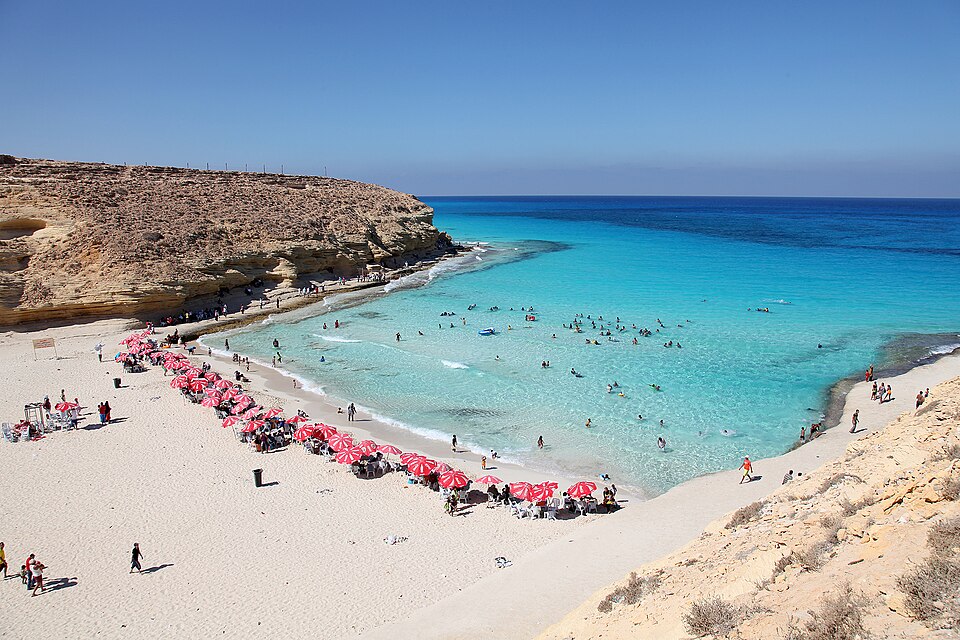
The Mediterranean Sea has shaped human civilization for thousands of years. It carried the ships of ancient traders, the fleets of empires, and the ideas that built the foundations of modern science, law, and art. Today, it remains vital for trade, tourism, and fishing, supporting the livelihoods of millions of people. Its beaches and historic coastal cities attract visitors from around the world. Protecting the Mediterranean’s waters and wildlife is important not only for the countries that border it but for the health of the global ocean as a whole.
 OtterKnow Kids Encyclopedia