The Submarine Canyon
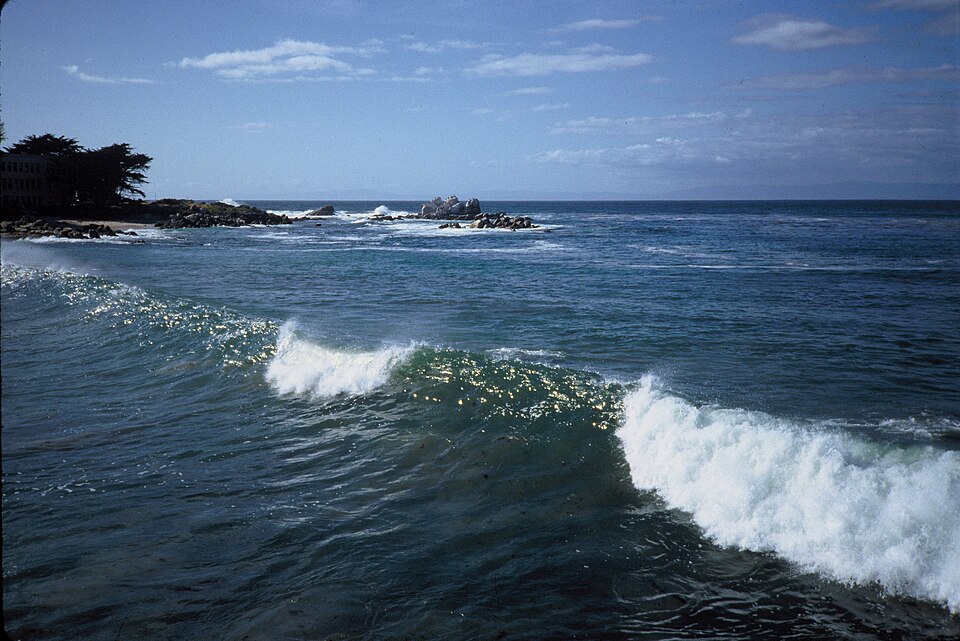
One of Monterey Bay’s most important features lies hidden beneath the surface. The Monterey Submarine Canyon is one of the largest and deepest submarine canyons on the Pacific coast of North America. It begins close to shore near the town of Moss Landing and extends about 95 miles (153 kilometers) out to sea, reaching depths of over 11,800 feet (3,600 meters). That makes it comparable in size and depth to the Grand Canyon in Arizona. The canyon channels cold, nutrient-rich water up from the deep ocean in a process called upwelling. This upwelling is one of the main reasons Monterey Bay supports such an abundance of marine life.
The Marine Sanctuary
In 1992, the Monterey Bay National Marine Sanctuary was established to protect the waters in and around the bay. It is one of the largest marine sanctuaries in the United States, covering 6,094 square miles (15,783 square kilometers) of ocean along 276 miles (444 kilometers) of coastline. The sanctuary protects kelp forests, deep-sea habitats, coastal wetlands, and the submarine canyon itself. Scientists from organizations like the Monterey Bay Aquarium Research Institute (MBARI) use the sanctuary as a natural laboratory, studying everything from deep-sea creatures to the effects of climate change on ocean ecosystems.
The Monterey Bay Aquarium
The Monterey Bay Aquarium, which opened in 1984, is one of the most visited and respected aquariums in the world. It was built on the site of the former Hovden Cannery, one of the last sardine canneries on Cannery Row, the famous waterfront street that writer John Steinbeck described in his novels. The aquarium holds more than 200 exhibits and about 80,000 plants and animals representing over 900 species. Its most popular exhibits include the kelp forest tank, the sea otter exhibit, and the Open Sea gallery, which features a 1.2-million-gallon tank housing sharks, tuna, sea turtles, and enormous schools of sardines. The aquarium draws about 2 million visitors each year and has been a leader in ocean conservation and education.
Wildlife
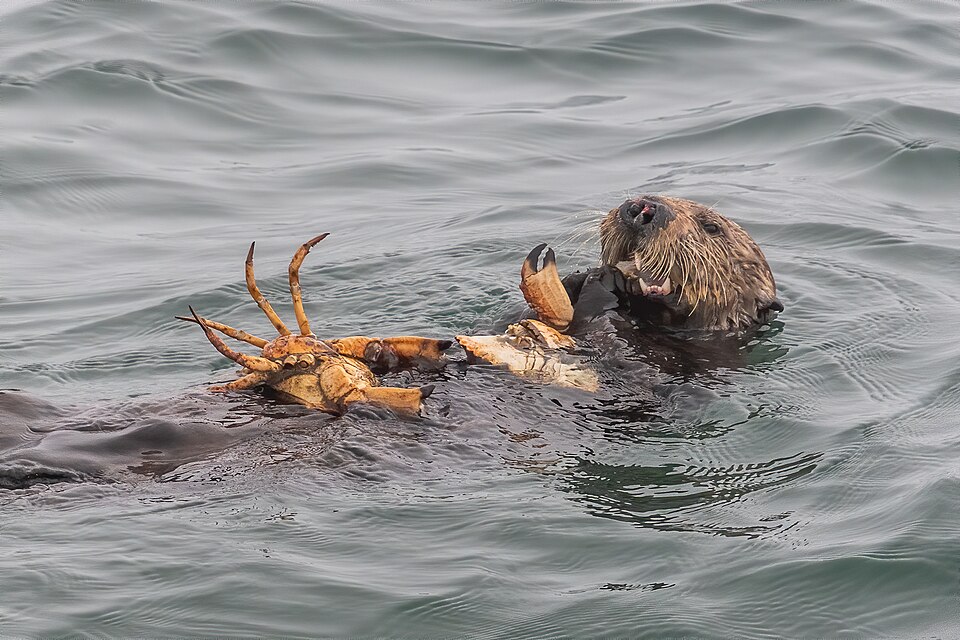
Monterey Bay is one of the best places in the world for watching marine wildlife. The nutrient-rich waters of the bay support a complex food web that begins with tiny organisms called phytoplankton and extends all the way up to massive whales. The bay’s kelp forests provide shelter for more than 500 species of fish, along with sea stars, anemones, and other invertebrates. Southern sea otters, which were once hunted nearly to extinction for their thick fur, now number around 3,000 individuals along the California coast, with many living in and around Monterey Bay. The bay is also a critical feeding ground for humpback whales, blue whales, gray whales, and orcas. Other commonly seen species include California sea lions, harbor seals, bottlenose dolphins, and a wide variety of seabirds including brown pelicans and western gulls.
History
The Monterey Bay area has a long human history stretching back thousands of years. The Ohlone and Esselen peoples were the original inhabitants of the coastline, relying on the bay’s rich marine resources for food. In 1602, Spanish explorer Sebastian Vizcaino sailed into the bay and named it after the Conde de Monterey, the viceroy of New Spain. Monterey later became the capital of Alta California under both Spanish and Mexican rule. In the late 1800s and early 1900s, the sardine fishing industry boomed, and Cannery Row in Monterey became one of the busiest fish-processing centers on the West Coast. However, by the 1950s, the sardine population had collapsed due to overfishing and changing ocean conditions. The canneries closed, and the waterfront was eventually transformed into the tourist and research hub it is today.
 OtterKnow Kids Encyclopedia