What They Look Like
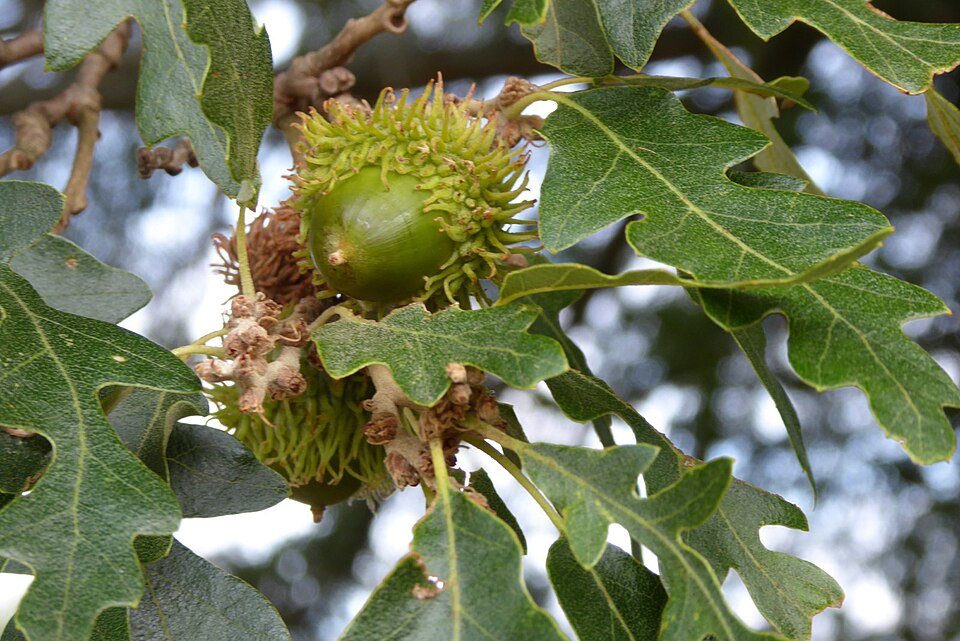
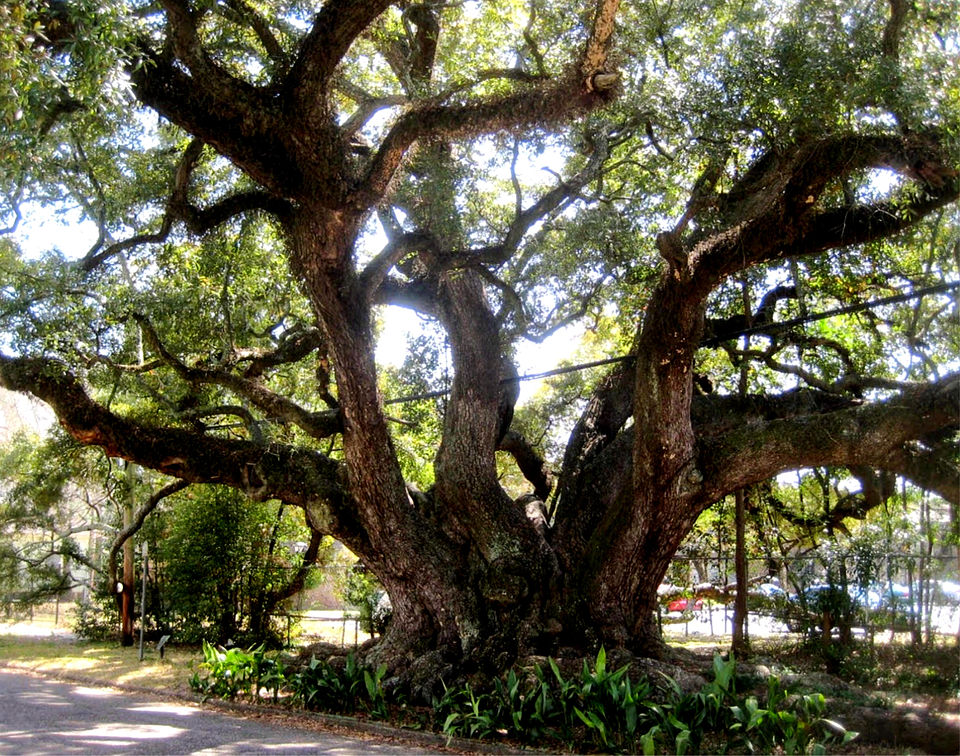
Oak trees are known for their broad, spreading canopies and deeply lobed leaves, though leaf shape varies widely among species. White oaks have leaves with rounded lobes, while red oaks have leaves with pointed, bristle-tipped lobes. A mature oak can grow 60 to 100 feet tall and live for hundreds of years, with some specimens surviving well over 1,000 years. The bark of older oaks is thick and deeply furrowed, providing homes for insects, spiders, and small animals in its crevices. Oaks produce acorns, which are small nuts sitting in a cup-shaped cap, and a single large oak can drop tens of thousands of acorns in a good year.
Why Oaks Are So Important
Scientists have found that oak trees support more species of wildlife than any other native tree genus in North America. Over 100 species of birds and mammals eat acorns, including squirrels, deer, wild turkeys, blue jays, and black bears. The leaves of oak trees feed hundreds of species of caterpillars, which in turn are essential food for baby birds during nesting season. Oak forests create rich, complex habitats where mosses, ferns, fungi, and wildflowers thrive on the forest floor. Even after an oak dies, its massive trunk can take centuries to fully decompose, providing shelter for woodpeckers, owls, and countless insects during that time.
How People Use Them
Humans have relied on oak trees for thousands of years. Oak wood is exceptionally hard and durable, making it the preferred choice for building ships, barrels, furniture, and flooring. Wine and whiskey barrels are almost always made from oak because the wood adds flavor and helps the drinks age properly. Cork, the material used to seal wine bottles and make bulletin boards, comes from the bark of the cork oak, which can be harvested every nine years without harming the tree. Acorns were once a staple food for many indigenous peoples, who ground them into flour after soaking out the bitter tannins.
Fun Facts
An oak tree does not start producing acorns until it is about 20 to 50 years old, but once it starts, a single tree can produce 70,000 to 150,000 acorns per year. Squirrels forget where they bury about 25 percent of the acorns they collect, and many of those forgotten acorns sprout into new oak trees. The oldest known living oak tree in the United States is the Pechanga Great Oak in California, estimated to be over 1,000 years old. Oak galls, the strange round bumps sometimes found on oak leaves, are actually created by tiny wasps that trick the tree into growing a protective home for their larvae. In the Middle Ages, oak gall ink was the most common writing ink in Europe and was used to write the Magna Carta and many other historic documents.
 OtterKnow Kids Encyclopedia