What They Look Like
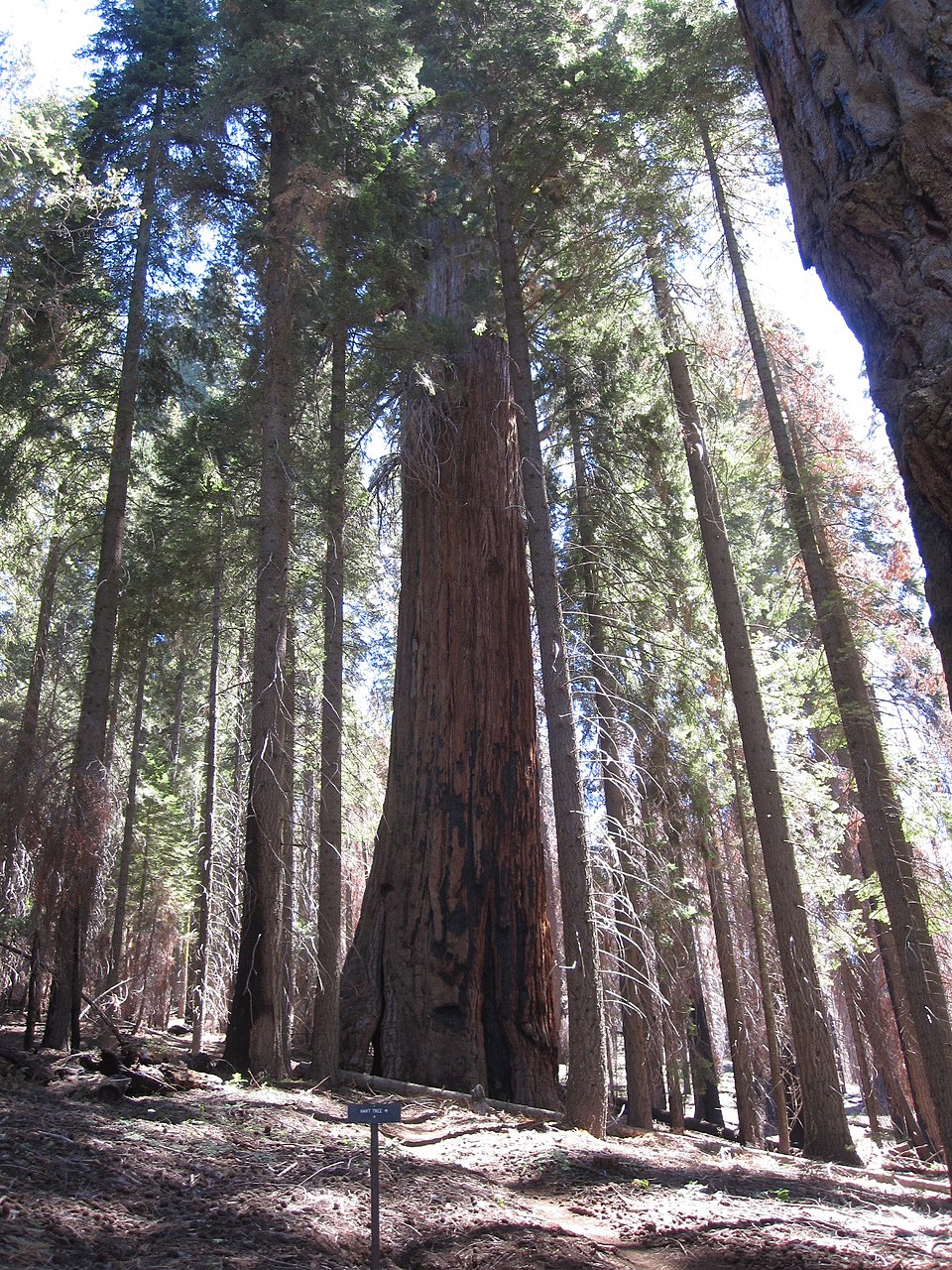
Coast redwoods are enormously tall, with the tallest known specimen, a tree named Hyperion, standing at about 380 feet, taller than the Statue of Liberty. Their trunks are straight and can measure over 20 feet in diameter at the base, covered in thick, fibrous bark that can be more than a foot deep. Giant sequoias are not quite as tall but are far more massive, with trunks that can reach over 30 feet in diameter and weigh millions of pounds. The bark of both species is a distinctive reddish-brown color, which gives these trees their common name. Redwood bark is rich in tannins that make it naturally fire-resistant and resistant to insects and fungal decay.
Where They Grow
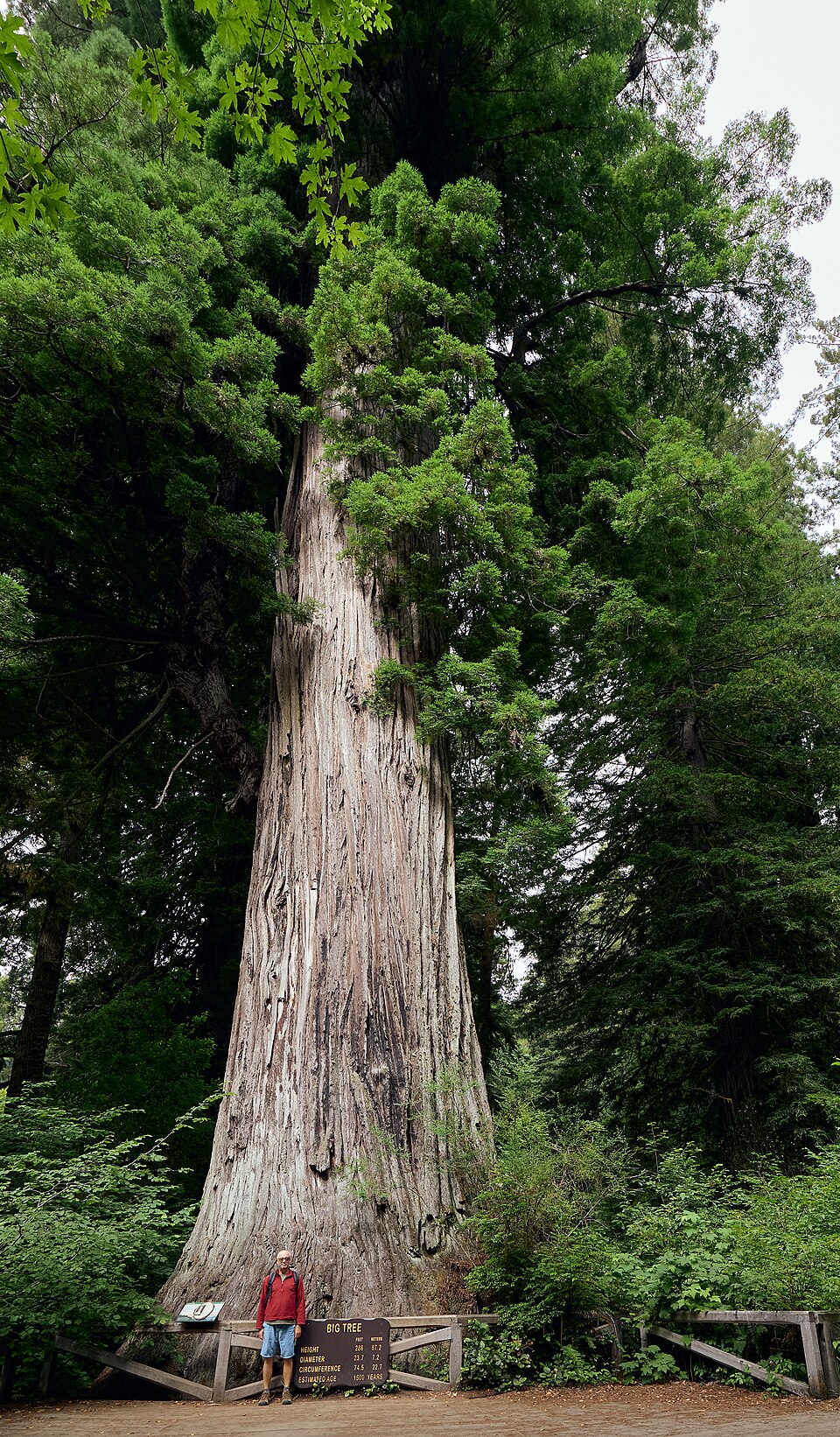
Coast redwoods grow in a narrow strip along the Pacific coast from southern Oregon to central California, where they depend on the cool, foggy climate of the coastal mountains. These trees have a remarkable ability to absorb moisture directly from fog through their leaves, which helps them survive the dry California summers. Giant sequoias grow only on the western slopes of the Sierra Nevada mountains at elevations between 5,000 and 7,000 feet. Both species require very specific conditions of temperature, moisture, and soil to thrive, which is why they are found in such limited areas. Sadly, about 96 percent of the original old-growth redwood forests have been logged since the mid-1800s, and the remaining groves are now fiercely protected.
Why Redwoods Matter
Redwood forests are entire ecosystems, not just collections of big trees. High in the canopy, 200 to 300 feet above the ground, thick mats of soil and moss accumulate on branches and support ferns, huckleberry bushes, and even other trees growing on top of the redwoods. Scientists have discovered unique species of insects, salamanders, and other creatures that live their entire lives in the redwood canopy and never touch the ground. Redwood forests also store more carbon per acre than any other ecosystem on Earth, making them very important in the fight against climate change. The trees’ massive root systems prevent erosion along streams and rivers, protecting water quality for salmon and other fish.
Fun Facts
A coast redwood can grow more than three feet per year during its first century, making it one of the fastest-growing conifers in the world. Redwood bark is so thick and fire-resistant that many ancient trees have survived multiple wildfires, and some have huge fire scars in their trunks that you can walk inside. When a redwood is cut down or falls over, new trees called sprouts often grow in a circle around the old stump, forming a “fairy ring” of younger trees. The General Sherman Tree in Sequoia National Park is the largest living tree by volume, containing enough wood to build about 120 average-sized houses. Coast redwoods can reproduce by sprouting new trees from their roots and fallen branches, which is unusual for a conifer and helps them recover quickly after damage.
 OtterKnow Kids Encyclopedia