The Once-in-a-Lifetime Bloom
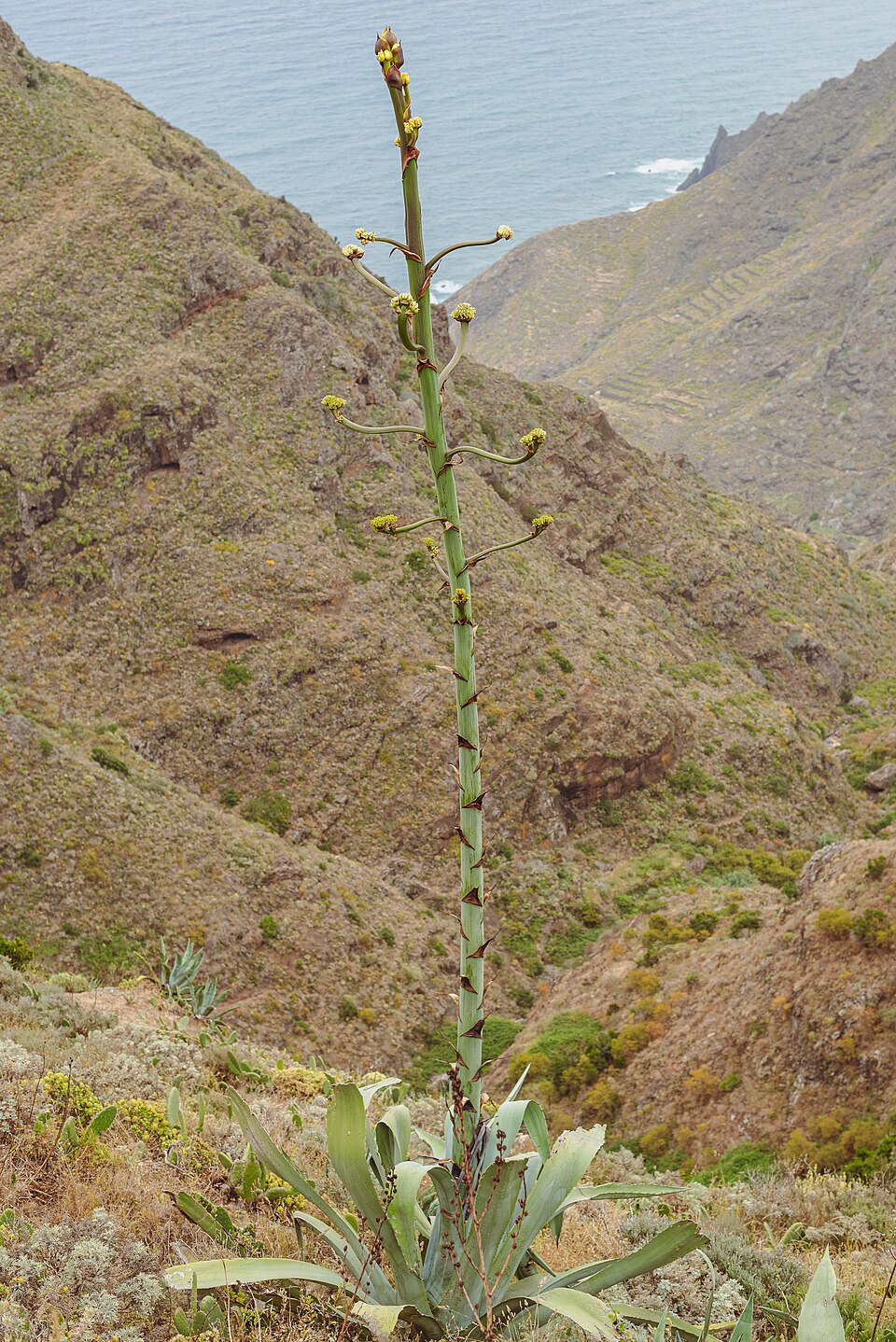
The century plant saves all of its energy for a single flowering event at the end of its life. When it is finally ready, a massive flower stalk shoots up from the center of the plant at an astonishing rate, sometimes growing several inches per day. The finished stalk can tower 20 to 40 feet into the air, looking like a giant asparagus spear rising above the desert landscape. At the top, clusters of yellow-green flowers open up and attract bats, hummingbirds, and insects that come to feast on the nectar. This single, spectacular bloom is the plant’s only chance to produce seeds before it dies.
Life After the Bloom
After the century plant finishes flowering and producing seeds, the parent plant slowly dies. But the story does not end there, because the plant has been quietly preparing for the next generation. Throughout its life, the century plant sends out underground stems that produce small offspring called pups or offsets around its base. These pups are genetic clones of the parent plant and can be transplanted to start new colonies. Some century plants also produce tiny plantlets called bulbils on their flower stalks, which drop to the ground and take root. In this way, a single century plant can give rise to dozens of new plants even after it dies.
Century Plants and People
For centuries, people in Mexico and Central America have found countless uses for century plants. The sweet sap that rises into the flower stalk can be collected and fermented into pulque, a traditional drink that has been enjoyed for over a thousand years. Tough fibers stripped from the leaves were historically woven into rope, mats, and coarse cloth. The sharp terminal spines were even used as needles and nails. Today, century plants are popular landscape plants in dry climates because they are dramatic, low-maintenance, and almost indestructible once established.
Century Plants and Wildlife
In the wild, century plants are important to desert ecosystems, especially during their once-in-a-lifetime bloom. Mexican long-nosed bats rely on the nectar from century plant flowers as a major food source during their seasonal migrations. Hummingbirds, orioles, and large carpenter bees also visit the towering flower stalks. The thick rosettes of leaves provide shelter for lizards, snakes, and small mammals seeking shade from the desert sun. Because of habitat loss and overharvesting, some wild populations of century plants have declined, and conservationists are working to protect both the plants and the bats that depend on them.
 OtterKnow Kids Encyclopedia