Where Pineapples Come From
Pineapples are native to South America, where Indigenous peoples in what is now Paraguay and southern Brazil cultivated them for centuries before Europeans arrived. When Christopher Columbus encountered pineapples on the island of Guadeloupe in 1493, he brought some back to Europe, where the fruit caused a sensation. Pineapples were so rare and expensive in 17th and 18th century Europe that wealthy people would actually rent them to display at dinner parties as a symbol of status and wealth. Today, Costa Rica, the Philippines, and Brazil are the world’s top pineapple producers.
How Pineapples Grow
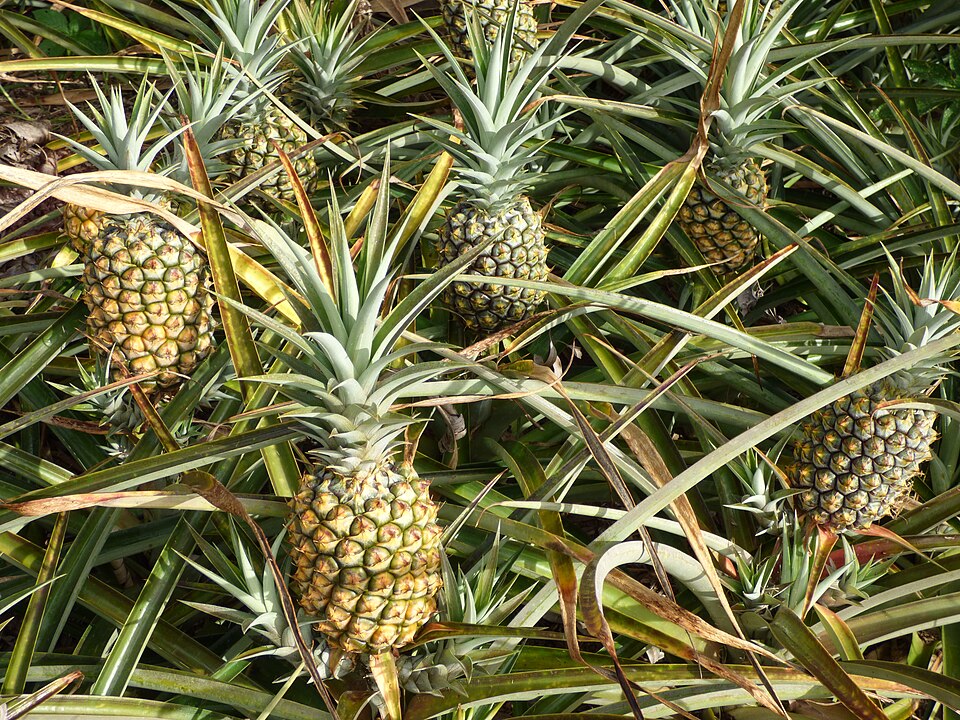
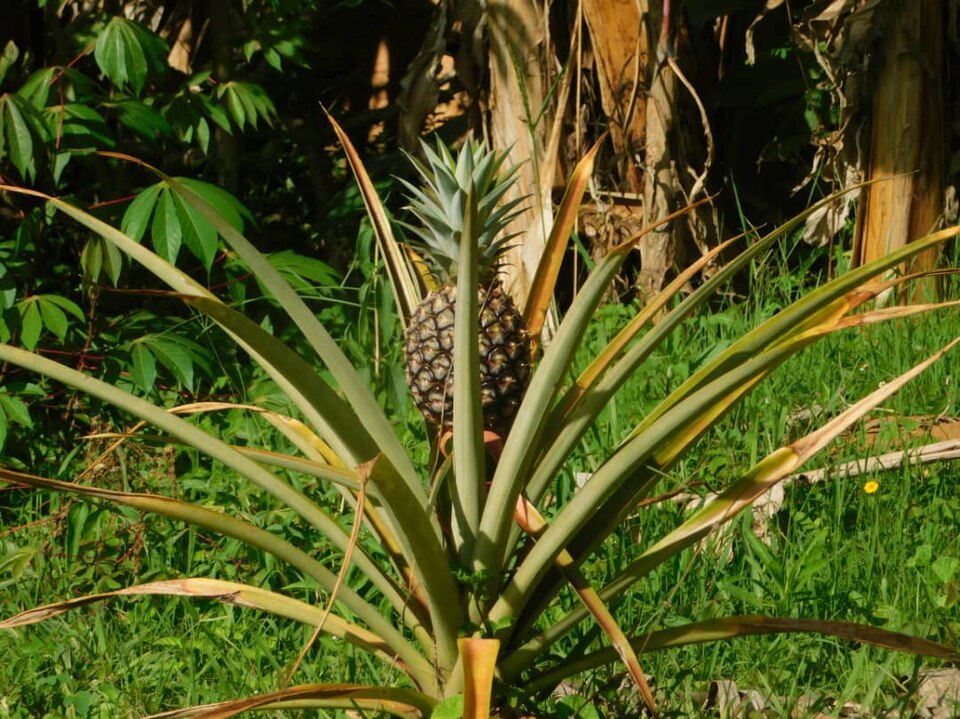
Unlike most fruits, pineapples do not grow on trees. Instead, they grow from a short, sturdy plant close to the ground, with the fruit forming at the center of a rosette of stiff, sword-shaped leaves. It takes an impressive 18 to 24 months for a single pineapple plant to produce just one fruit. After the fruit is harvested, the plant sends out side shoots called ratoons that can produce another pineapple, though the second fruit is usually smaller. Each pineapple plant typically produces only two to three fruits over its entire lifetime.
Pineapple Science
Pineapples contain a powerful enzyme called bromelain that breaks down proteins, which is why pineapple juice is used as a natural meat tenderizer in cooking. This same enzyme is the reason your mouth sometimes feels tingly or sore after eating a lot of fresh pineapple, because the bromelain is actually breaking down tiny amounts of protein on your tongue. If you try to make gelatin dessert with fresh pineapple, it will not set because the bromelain destroys the gelatin proteins. Canned pineapple works fine in gelatin because the heat from the canning process deactivates the enzyme.
Pineapples Around the World
In Hawaii, pineapple plantations were once a huge industry, and the Dole and Del Monte companies made the islands famous for pineapple production. Today, most commercial pineapples are grown in tropical countries closer to the equator, with Costa Rica leading the way. In Japan, farmers have developed a technique for growing square and other unusually shaped pineapples by placing molds around the developing fruit. Pineapple is enjoyed fresh, grilled, canned, juiced, and as a topping on pizza, though whether pineapple belongs on pizza remains one of the most debated food questions of our time.
 OtterKnow Kids Encyclopedia