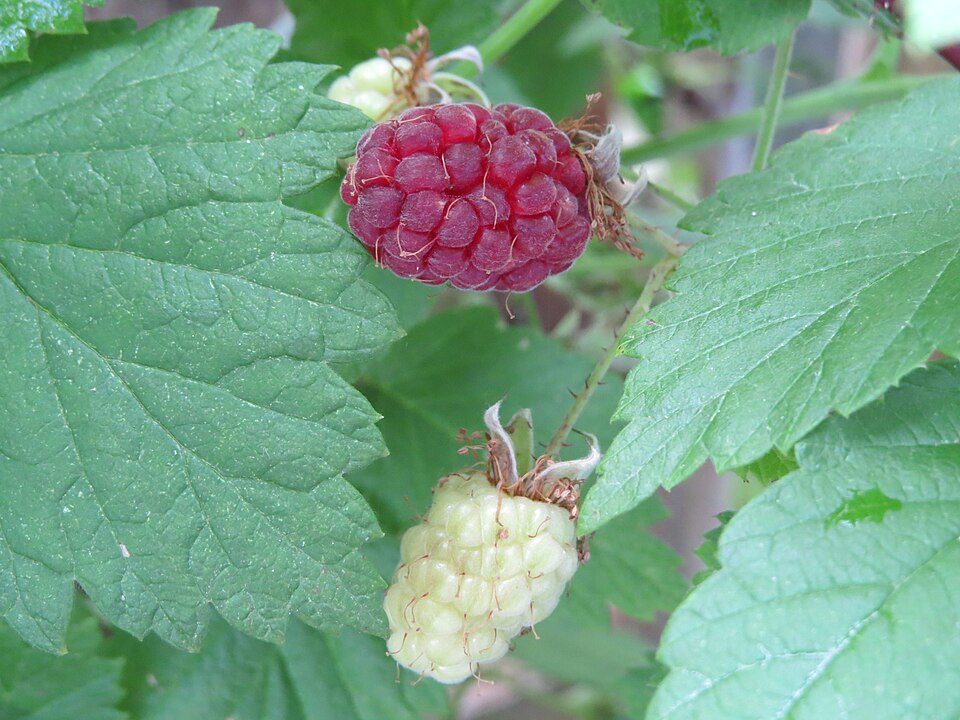
Where Raspberries Come From
Wild raspberries have grown across Europe, Asia, and North America for thousands of years, and people have been gathering them from the wild since prehistoric times. The ancient Romans are believed to have been among the first to cultivate raspberries in their gardens around 2,000 years ago. European settlers brought cultivated raspberry varieties to North America, where they crossed with native wild species to create new and hardier plants. Today, Russia, Poland, and the United States are among the world’s top raspberry producers.
How Raspberries Grow
Raspberry plants send up long, arching stems called canes from their root system, and these canes follow an interesting two-year life cycle. In the first year, new canes called primocanes grow tall and leafy but usually do not produce fruit. In the second year, these same canes, now called floricanes, bloom, produce fruit, and then die back, while new primocanes are already growing to replace them. Some modern raspberry varieties, called everbearing types, have been bred to produce fruit on their first-year canes as well.
A Rainbow of Raspberries
Most people think of raspberries as red, but they actually come in a surprising range of colors including black, purple, and golden yellow. Black raspberries are a separate species from red ones and have a richer, deeper flavor that many people prefer for jams and baking. Golden raspberries are a color variant of the red raspberry that tastes slightly sweeter and milder. Purple raspberries are hybrids created by crossing red and black varieties, combining traits from both parents into a unique fruit.
Raspberries in Nature and on Our Plates
In the wild, raspberries are an important food source for bears, birds, foxes, and many other animals who help spread the seeds to new locations. Raspberries are one of the most fragile fruits, bruising easily and spoiling within just a day or two after picking, which is why fresh raspberries can be expensive at the store. People enjoy them fresh, frozen, baked into tarts and crumbles, or made into jam and sauce. Raspberries contain a compound called ellagic acid that scientists have been studying for its potential health benefits, along with plenty of vitamin C and fiber.
 OtterKnow Kids Encyclopedia