What It Looks Like
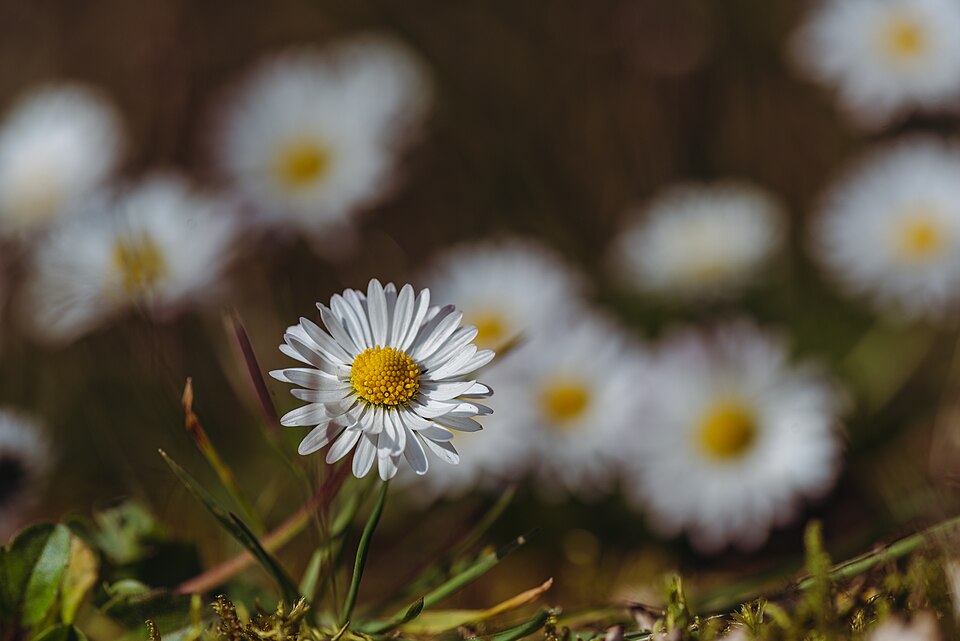
What appears to be a single daisy flower is actually a composite flower made up of two different types of tiny flowers called florets. The white “petals” around the outside are ray florets, and the yellow center is packed with dozens of tiny disc florets, each one a complete flower that can produce a seed. Common daisies grow low to the ground on short stems, usually only 5 to 15 centimeters tall, with a rosette of spoon-shaped leaves at the base. Larger varieties like the Shasta daisy can grow up to 90 centimeters tall with flowers as wide as 8 centimeters across. Daisy petals are usually white, but cultivated varieties can be pink, red, or even bicolored.
How It Grows
Daisies are perennial plants, meaning they come back year after year without needing to be replanted. They spread through both seeds and underground stems called stolons, which allow them to form dense mats of foliage across lawns and meadows. Common daisies are incredibly tough and can survive being mowed, stepped on, and even partially dug up, bouncing back from their strong root systems. They bloom from early spring well into autumn, producing flowers almost continuously during the growing season. Daisies are so successful at spreading that in some regions they are considered weeds, though many gardeners treasure them.
Where It Grows
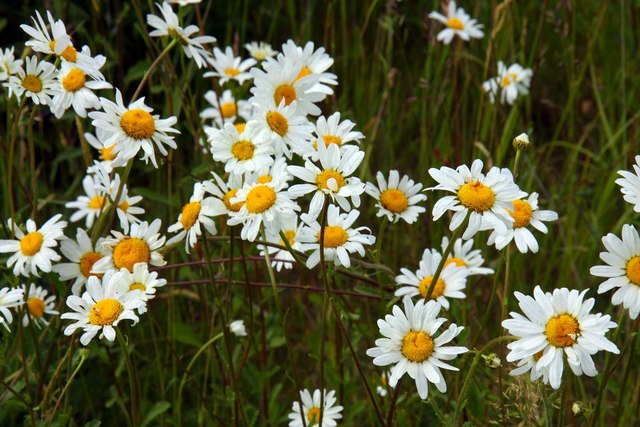
The common daisy is native to Europe and western Asia, but it has spread to nearly every continent through human cultivation and accidental introduction. It thrives in lawns, meadows, roadsides, and any open area with enough sunlight, from sea level up to mountain pastures. Daisies prefer moist, temperate climates but can tolerate a wide range of conditions, including poor soil and partial shade. In North America, Australia, and New Zealand, daisies have naturalized so thoroughly that many people assume they are native wildflowers.
Pollinators and Seeds
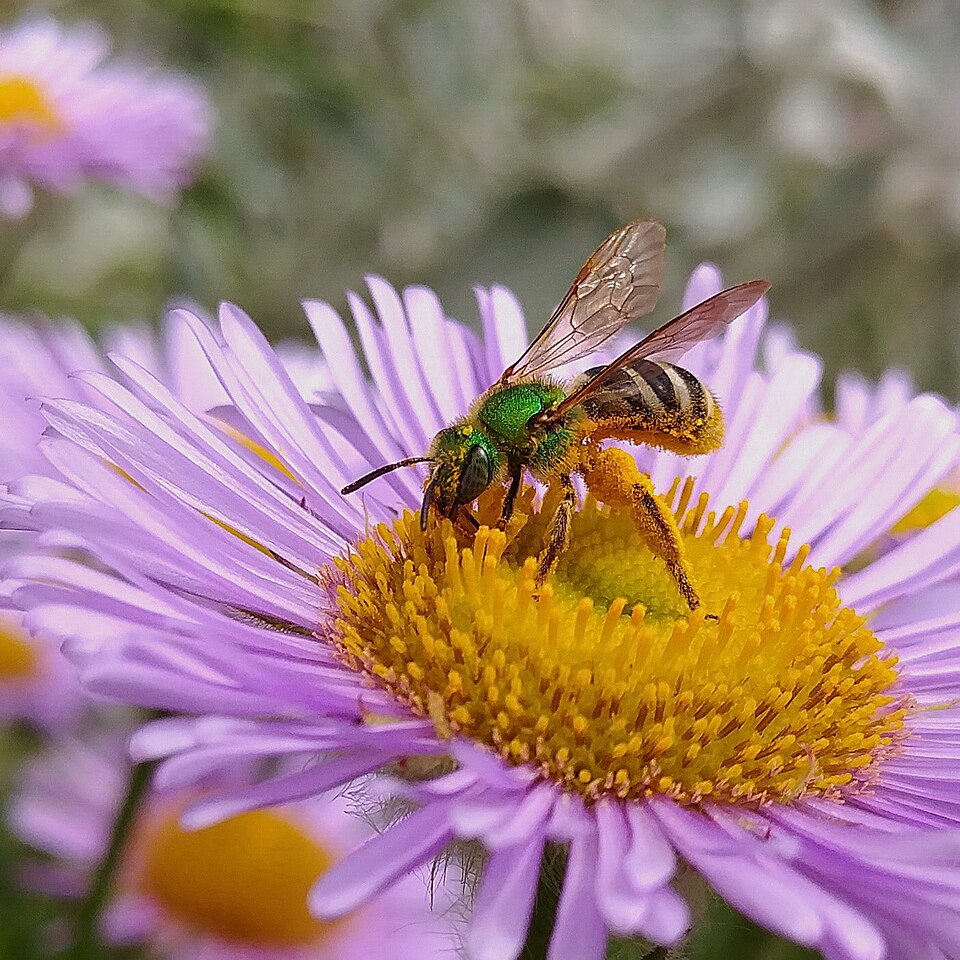
Daisies attract a wide variety of pollinators, including bees, butterflies, hoverflies, and small beetles. The bright yellow center of disc florets acts like a landing pad and guide, directing insects to the nectar and pollen they are searching for. Each disc floret can produce one tiny seed, so a single daisy head may produce dozens of seeds when fully pollinated. The seeds are small and light, easily carried by wind, water, or on the fur of passing animals to new growing locations.
Uses and Symbolism
Throughout history, daisies have been used in folk medicine to treat bruises, wounds, and coughs, though modern medicine has not confirmed most of these uses. Children around the world have played the “loves me, loves me not” game by plucking daisy petals one by one, and daisy chains have been a favorite craft for generations. In the language of flowers, daisies symbolize innocence, purity, and new beginnings, making them popular in spring bouquets and wedding arrangements. Young daisy leaves and flower buds are actually edible and have been added to salads in European cooking traditions for centuries.
Interesting Facts
A daisy can close its petals not only at night but also during rainy weather, protecting its precious pollen from being washed away. The common daisy is so tough that it can regrow from just a small piece of root left in the ground, which is why it is so difficult to remove from lawns. Scientists have counted as many as 80 individual disc florets packed into the center of a single common daisy flower head. In medieval times, knights would wear daisies as a sign that they had won the love of a lady, and the flower appears in paintings and tapestries from that era.
 OtterKnow Kids Encyclopedia