What It Looks Like
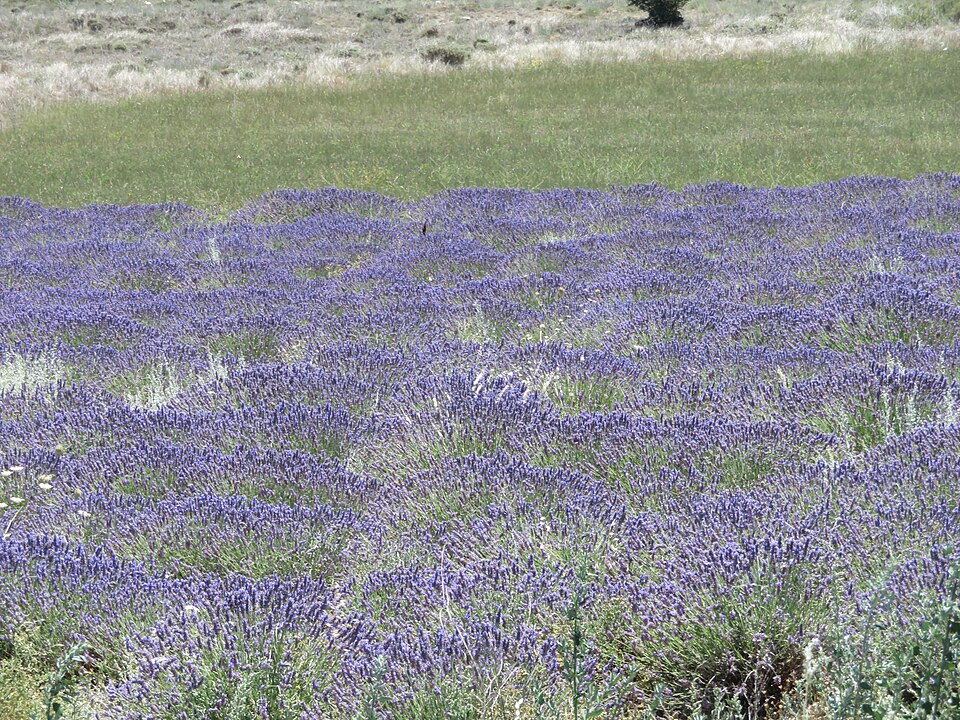
Lavender plants grow as small, bushy shrubs with woody stems at the base and soft, silvery-green leaves that are narrow and slightly fuzzy. The flowers grow in dense spikes at the top of tall, slender stalks that rise above the foliage, typically reaching 30 to 60 centimeters in height. Each spike is made up of many tiny tubular flowers, usually purple or violet, though some varieties bloom in pink, white, or deep blue. The entire plant is covered in tiny glands that release aromatic oils when touched, filling the air with its distinctive calming fragrance. Even the leaves are fragrant and remain on the plant year-round in mild climates, making lavender an attractive garden plant in all seasons.
How It Grows
Lavender is a perennial plant that thrives in warm, sunny conditions with well-drained soil, mimicking the dry, rocky hillsides of its Mediterranean homeland. It is remarkably drought-tolerant once established, storing water in its woody stems and reducing moisture loss through its narrow, hairy leaves. Lavender actually grows poorly in rich, wet soil, preferring lean, even slightly alkaline ground where other plants might struggle. Gardeners can grow lavender from seeds, stem cuttings, or nursery transplants, though seeds can take several weeks to sprout. With proper care, a lavender plant can live for 15 to 20 years, producing more flowers each year as it matures.
Where It Grows
Lavender is native to the Mediterranean region, including countries like France, Spain, Italy, and parts of North Africa. The most famous lavender-growing region in the world is Provence in southeastern France, where vast fields of purple blooms stretch across the countryside every summer, attracting thousands of visitors. Today lavender is cultivated commercially on every inhabited continent, from the Pacific Northwest of the United States to the highlands of Tasmania in Australia. It grows best in USDA hardiness zones 5 through 9, where winters are not too harsh and summers provide plenty of warmth and sunshine.
Pollinators and Seeds
Lavender is one of the best plants for attracting bees, and beekeepers often plant fields of it near their hives to produce prized lavender honey. Butterflies, moths, and hummingbirds also visit lavender flowers, drawn by the abundant nectar and strong fragrance. Each tiny lavender flower produces four small seeds called nutlets after pollination, though the seeds have a low germination rate compared to many other garden plants. The strong essential oils in lavender attract pollinators while also repelling many pest insects like mosquitoes, moths, and fleas.
Uses and Symbolism
Lavender essential oil is one of the most widely used aromatherapy oils in the world, valued for its calming properties that may help reduce stress and improve sleep. Dried lavender flowers are tucked into sachets and placed in drawers and closets to keep clothes smelling fresh and to repel moths. In cooking, lavender adds a floral flavor to baked goods, honey, teas, and the famous French spice blend herbes de Provence. Lavender has also been used for centuries in traditional medicine to treat headaches, anxiety, and minor burns, and modern research suggests it may genuinely have mild calming effects.
Interesting Facts
Ancient Egyptians used lavender in their mummification process, and traces of lavender have been found in Egyptian tombs that are over 2,500 years old. Lavender was one of the herbs carried by medieval plague doctors, who believed its strong scent could protect them from disease. A single acre of lavender can produce about 12 to 15 pounds of essential oil, which requires steam-distilling thousands of flower spikes. The lavender industry is worth hundreds of millions of dollars worldwide, with uses ranging from perfume and cosmetics to cleaning products and insect repellents.
 OtterKnow Kids Encyclopedia