How Cinnamon Is Harvested
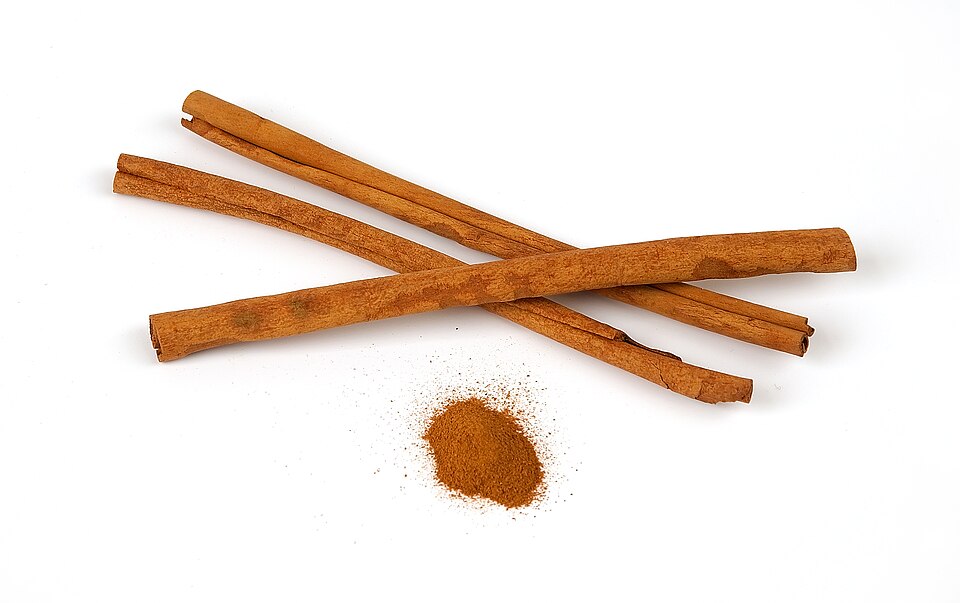
Harvesting cinnamon is a skilled craft that has been practiced for thousands of years. Workers carefully strip the outer bark from young branches, then peel away the thin inner bark underneath. As this inner bark dries in the sun, it naturally curls up into the familiar rolled sticks called quills. The quills are then sorted by quality, with thinner and more tightly rolled pieces considered the best. The bark can also be ground into the fine brown powder you find in spice jars at the grocery store.
True Cinnamon and Cassia
Not all cinnamon is the same, and there is an important difference between true cinnamon and cassia. True cinnamon, called Ceylon cinnamon, comes from Cinnamomum verum trees grown mainly in Sri Lanka. It has a delicate, sweet flavor and thin, papery bark that crumbles easily. Cassia cinnamon, which comes from a related tree called Cinnamomum cassia, has a stronger, spicier taste and thicker bark. Most of the cinnamon sold in grocery stores in the United States is actually cassia, not true cinnamon.
Cinnamon Through History
Cinnamon is one of the oldest known spices, with records of its use stretching back thousands of years. Ancient Egyptians used cinnamon in their embalming process, and it appears in some of the earliest written texts including the Bible. In medieval Europe, cinnamon was so rare and expensive that it was considered a gift fit for kings and queens. Traders kept their sources secret to maintain high prices, and the spice traveled along ancient trade routes from Asia to the Mediterranean. Wars were even fought over control of the spice trade, which helped shape the history of exploration and colonization.
Modern Uses of Cinnamon
Today, cinnamon is used for much more than just flavoring food and drinks. The essential oil extracted from cinnamon bark has natural properties that can kill bacteria and preserve food. Researchers are studying cinnamon’s potential health benefits, including its ability to help control blood sugar levels. Cinnamon oil is also used in perfumes, soaps, and natural insect repellents. Sri Lanka remains the world’s largest producer of true cinnamon, with farmers there continuing traditions that stretch back centuries.
 OtterKnow Kids Encyclopedia