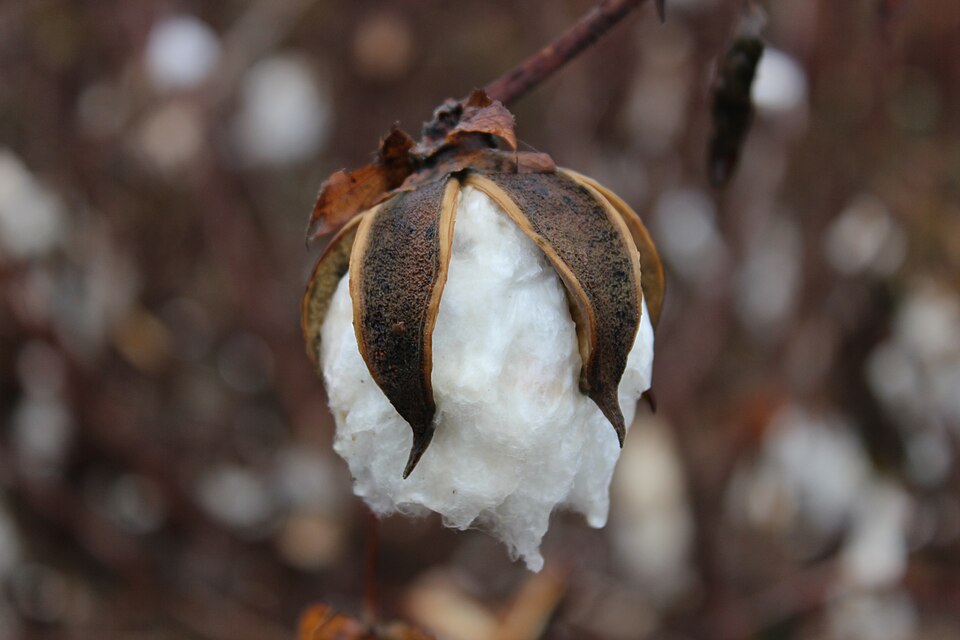
How Cotton Becomes Fabric
The journey from cotton plant to clothing involves many steps. First, the fluffy bolls are harvested either by hand or by large machines called cotton pickers. The raw cotton is then sent to a gin, a machine that separates the fibers from the seeds, a process revolutionized by Eli Whitney’s cotton gin in 1793. The clean fibers are pressed into large bales weighing about 480 pounds each, and a single bale contains enough cotton to produce about 215 miles of thread. The thread is woven or knitted into fabric, which is then dyed, cut, and sewn into the shirts, jeans, towels, and sheets we use every day.
Cotton in American History
Cotton played a huge and complicated role in American history. In the 1800s, cotton became the most valuable crop in the southern United States, earning it the nickname “King Cotton.” Eli Whitney’s cotton gin made processing cotton much faster, which led plantation owners to grow more cotton and, tragically, to demand more enslaved labor to pick it. The cotton economy was one of the major causes of the Civil War. After the war ended, cotton remained an important crop, but the invention of mechanical cotton pickers in the 1900s gradually replaced the backbreaking work of picking by hand.
Surprising Uses for Cotton
Cotton is used for far more than just clothing and bedsheets. The seeds left over after ginning are pressed to extract cottonseed oil, which is used in cooking, salad dressings, and snack foods. United States paper currency is made from a special blend that is about 75 percent cotton and 25 percent linen, which is why dollar bills feel different from regular paper. Cotton fibers are also used to make medical bandages, coffee filters, book bindings, and even the stuffing inside dolls and pillows. Cotton linters, the short fuzzy fibers left on the seeds, are used to make plastics, explosives, and photographic film.
Cotton Around the World Today
Today, cotton is grown in more than 75 countries, with China, India, and the United States being the top producers. The global cotton industry supports the livelihoods of about 250 million people worldwide. Growing cotton can be tough on the environment because it requires large amounts of water and, in conventional farming, many pesticides. Organic cotton farming uses natural methods to control pests and is becoming more popular as people look for sustainable options. Scientists are also developing new cotton varieties that need less water and resist insects naturally.
 OtterKnow Kids Encyclopedia