The Grain That Built Civilization
Wheat was one of the first plants that humans ever learned to farm, about 10,000 years ago in a region called the Fertile Crescent in the Middle East. This area, which stretches across parts of modern-day Iraq, Syria, Turkey, and Jordan, is often called the “cradle of civilization” because farming allowed people to settle in one place instead of wandering in search of food. Once people could grow their own wheat, they built permanent villages, developed writing, and created the first cities. Wild wheat kernels shatter and scatter when ripe, but ancient farmers selectively saved seeds from plants that held their kernels, gradually developing the domesticated wheat varieties we grow today.
Types of Wheat
Not all wheat is the same, and different types are suited for different foods and growing conditions. Hard wheat has a high protein content and produces strong flour that is ideal for making bread, because a protein called gluten gives the dough its stretchy, elastic texture. Soft wheat has less protein and makes tender flour that is better for cakes, cookies, and pastries. Durum wheat is the hardest type and is ground into semolina flour used to make pasta. Farmers also grow winter wheat, which is planted in the fall and harvested the following summer, and spring wheat, which is planted in spring and harvested in late summer.
From Field to Table
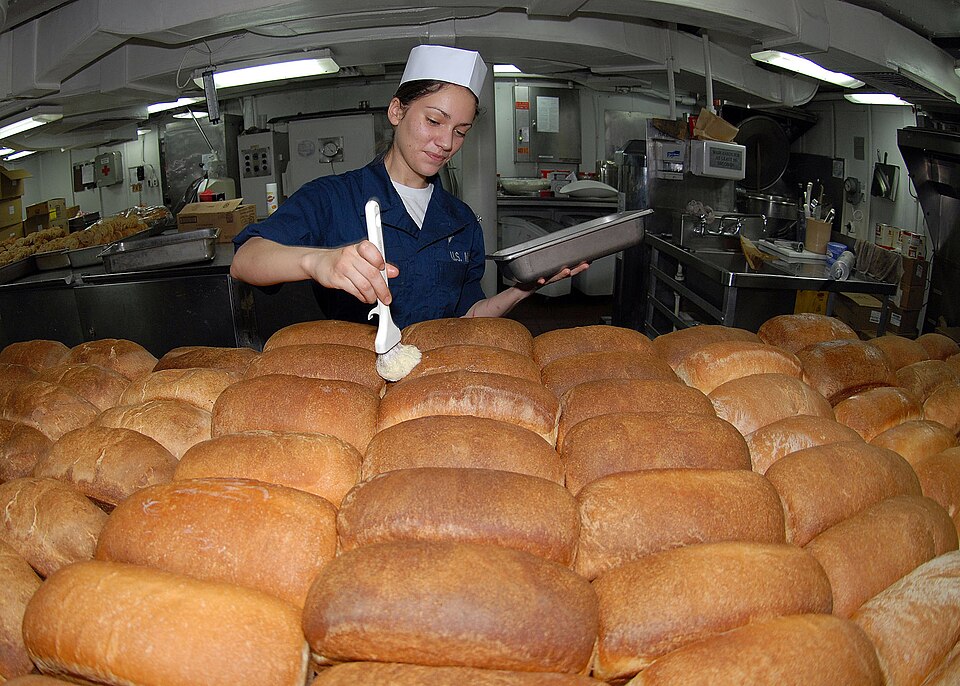
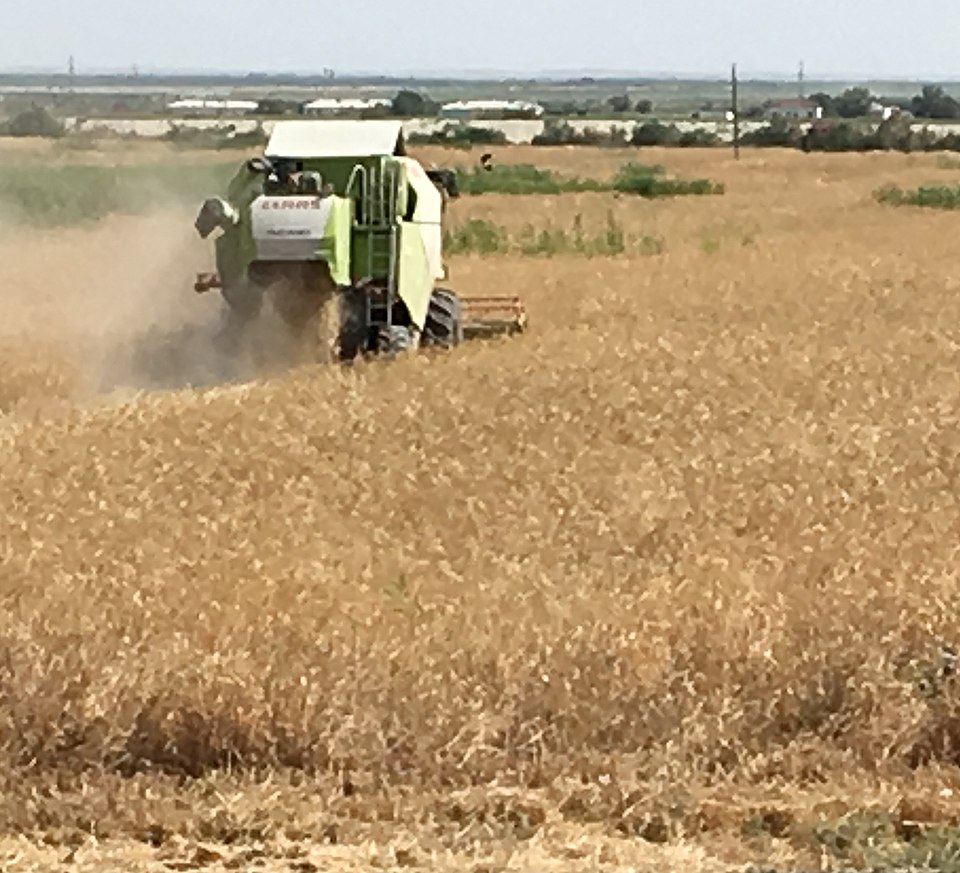
The journey from a wheat field to a loaf of bread involves many steps. After the wheat is harvested by huge machines called combines, the kernels are cleaned and sent to flour mills. At the mill, the kernels are crushed between giant steel rollers that separate the three parts of each kernel: the outer bran, the starchy endosperm, and the tiny germ. White flour is made from just the endosperm, while whole wheat flour includes all three parts, making it more nutritious. The flour is then shipped to bakeries, pasta factories, and grocery stores, where it becomes the ingredient in an enormous range of foods, from pizza dough to breakfast cereal to tortillas.
Wheat Around the World
More than 700 million tons of wheat are grown worldwide each year, making it one of the three most important grain crops alongside rice and corn. China, India, Russia, and the United States are among the largest wheat producers. Wheat is the main ingredient in the bread, noodles, and flatbreads eaten by billions of people across Europe, the Middle East, North Africa, and the Americas. Some people have a condition called celiac disease, which means their bodies cannot properly digest gluten, the protein that makes wheat dough stretchy. For these individuals, eating wheat causes serious health problems, and they must follow a strict gluten-free diet using alternative grains like rice, quinoa, or corn.
 OtterKnow Kids Encyclopedia