What It Looks Like
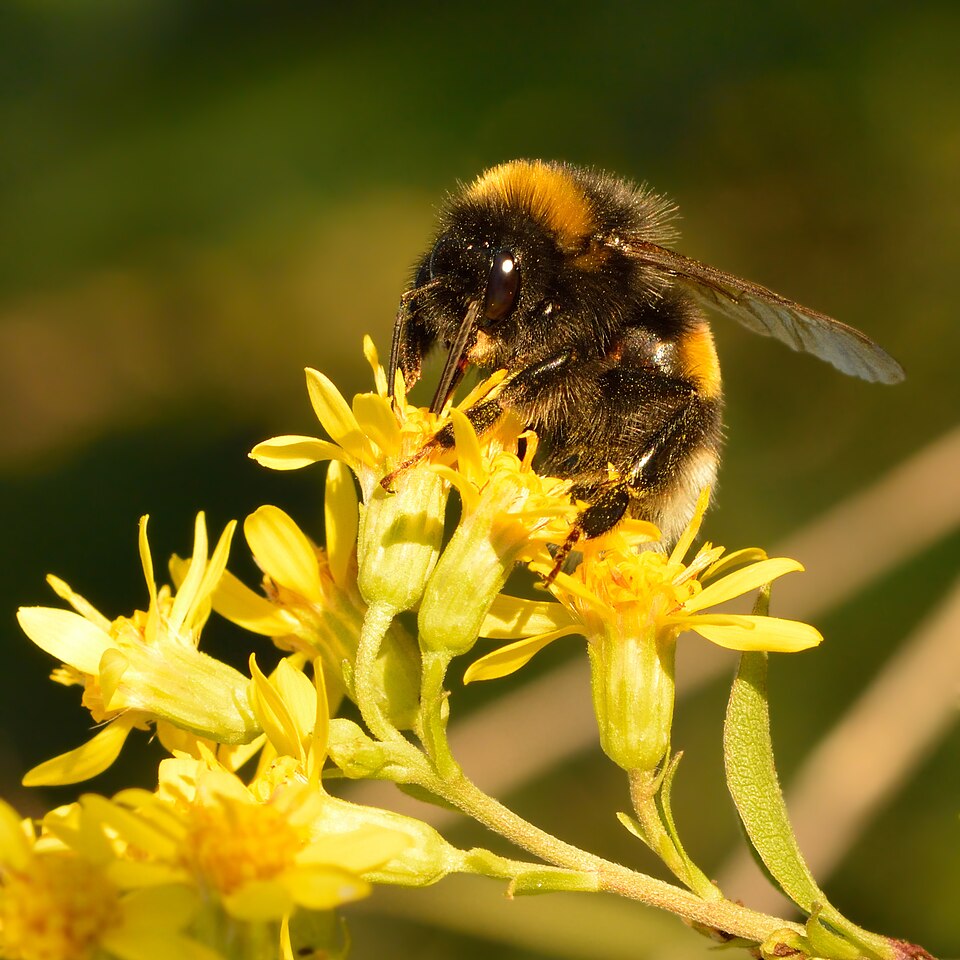
Goldenrod plants grow between two and five feet tall, with sturdy stems topped by dense clusters of tiny golden-yellow flowers arranged in plume-like or flat-topped sprays. Each individual flower is very small, but hundreds or thousands of them grouped together create a showy display that can be seen from far away. The leaves are narrow, pointed, and slightly toothed, growing alternately up the stem. Different species of goldenrod can look quite different from each other, with some having arching, feathery flower sprays and others producing flat, plate-like clusters.
Where It Grows
Goldenrod is found across North America in meadows, prairies, forest edges, and along roadsides, with the greatest variety of species in the eastern United States. It is very adaptable and can grow in dry, sandy soils as well as moist, rich ground. Goldenrod is the state flower of both Kentucky and Nebraska, reflecting its importance in the American landscape. Some species have also been introduced to Europe, where they have become established in meadows and waste areas.
Pollinators and Wildlife
Goldenrod is one of the most important late-season nectar sources for monarch butterflies as they fuel up for their long migration south to Mexico. Bees, wasps, beetles, and many other insects crowd goldenrod blossoms, making the plants buzzing centers of activity on warm autumn days. Some species of tiny wasps lay their eggs inside goldenrod stems, causing the plant to form round swellings called galls that house the developing larvae through winter. Birds like chickadees and downy woodpeckers peck open these galls in winter to eat the protein-rich larvae inside.
Uses and History
Native American peoples used goldenrod for a wide variety of medicinal purposes, including treating sore throats, wounds, and kidney problems. During the American Revolution, colonists brewed goldenrod leaves into a tea called “liberty tea” as a substitute for the British-taxed tea they were boycotting. The inventor Thomas Edison experimented with goldenrod as a source of natural rubber, and he actually succeeded in producing rubber from the plant’s sap, though it was never manufactured on a large scale. Today, goldenrod is planted in gardens and restoration projects to support pollinators and add late-season color.
Interesting Facts
A single goldenrod plant can produce over 20,000 tiny seeds, each one equipped with a tuft of fine hairs that helps it float on the breeze to a new location. Goldenrod honey is a dark, rich variety that many beekeepers prize for its strong, spicy flavor. The plant’s genus name, Solidago, comes from a Latin word meaning “to make whole,” referring to its long history in healing remedies. Despite being unfairly blamed for allergies, goldenrod is actually an excellent garden plant because its heavy pollen stays on the flowers and is only spread by visiting insects.
 OtterKnow Kids Encyclopedia