What It Looks Like
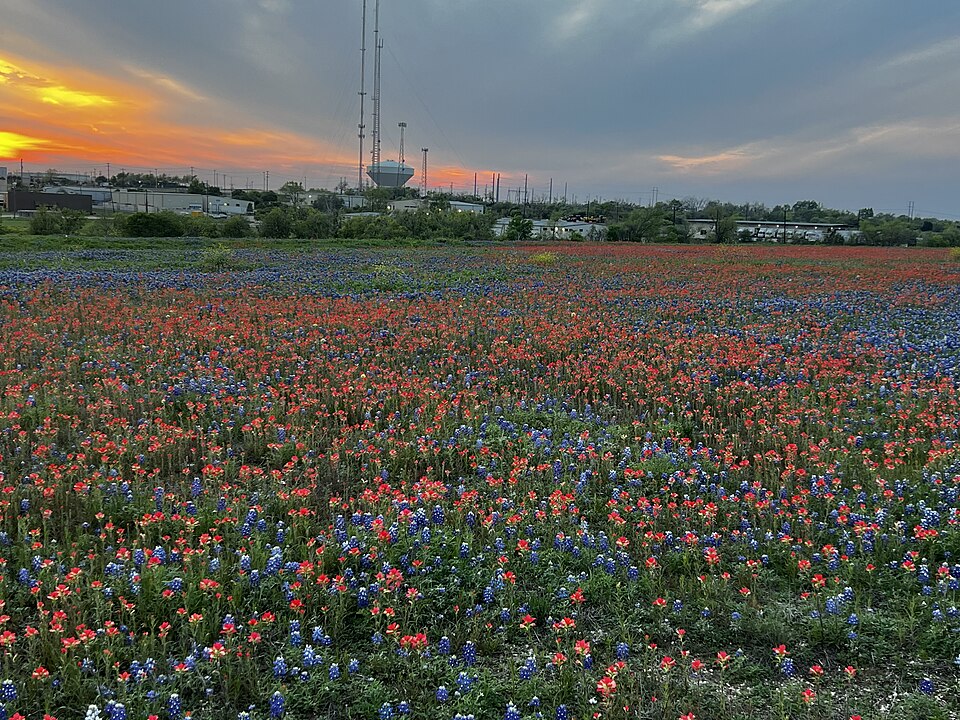
The colorful parts of an Indian paintbrush that catch your eye are not actually petals at all, but modified leaves called bracts that surround the small, greenish true flowers hidden inside. These bracts can be brilliant red, scarlet, orange, yellow, or even pink, depending on the species and growing conditions. The true flowers are narrow and tube-shaped, tucked among the bracts where only certain pollinators can reach them. Indian paintbrush plants typically grow 8 to 24 inches tall, with narrow, slightly hairy leaves along their stems.
Where It Grows
Indian paintbrushes thrive in open meadows, prairies, and mountain slopes across western North America, from sea level to alpine elevations above 10,000 feet. They prefer well-drained soils and full sunlight, and they are often found growing near sagebrush, grasses, and other plants whose roots they can tap into for extra nutrients. Because they depend partly on host plants, Indian paintbrushes are very difficult to grow in gardens and almost impossible to transplant from the wild. They are most commonly seen in the Rocky Mountain region, the Pacific Northwest, and the Great Plains.
Pollinators and Wildlife
Hummingbirds are the primary pollinators of Indian paintbrushes, and the flowers’ bright red color and tubular shape are perfectly designed to attract these tiny birds. The long, narrow true flowers contain nectar at their base that only hummingbirds and long-tongued insects like hawk moths can reach. Butterflies and bumblebees also visit Indian paintbrushes, though they sometimes “cheat” by biting a hole in the side of the flower to reach the nectar without pollinating. Deer and elk occasionally browse on Indian paintbrush plants, though they are not a preferred food.
Uses and History
Native American peoples used Indian paintbrush for a variety of purposes, including as a hair wash and as a treatment for certain skin conditions. According to a Native American legend, a young warrior who struggled to paint the beauty of a sunset was given magical paintbrushes by the Great Spirit, and where he left them on the hillside, Indian paintbrushes grew. Some species of Indian paintbrush can accumulate selenium from the soil, making them potentially toxic if consumed in large quantities. The plant’s bold colors have made it a favorite subject for nature photographers and watercolor artists throughout the American West.
Interesting Facts
Indian paintbrushes are hemiparasites, which means their roots reach out underground and attach to the roots of nearby plants like grasses and sagebrush to siphon off water and nutrients. This sneaky survival strategy allows them to thrive in harsh, dry environments where getting enough resources on their own would be difficult. Scientists have found that Indian paintbrushes growing near healthy host plants produce more and brighter bracts than those growing alone. The color of the bracts can change depending on elevation, soil chemistry, and genetics, which is why you might see red paintbrushes in one meadow and orange ones just over the next ridge.
 OtterKnow Kids Encyclopedia