Types of Farming
There are many different types of farming, and each one focuses on producing something specific. Crop farming involves growing plants like wheat, corn, rice, fruits, and vegetables in fields, orchards, or greenhouses. Livestock farming means raising animals such as cattle, pigs, chickens, and sheep for meat, milk, eggs, and wool. Dairy farming is a special type of livestock farming focused on producing milk and dairy products like cheese, butter, and yogurt. Some farmers practice mixed farming, where they grow crops and raise animals on the same land, which can help keep the soil healthy.
A Farmer’s Daily Work
Farmers work long hours and their tasks change with the seasons. In spring, they prepare the soil by plowing and planting seeds, making sure each crop gets the right amount of space and sunlight. During summer, farmers water their crops, pull weeds, and watch for insects or diseases that could harm their plants. Fall is harvest time, when farmers gather the crops they have been tending all year and prepare them for sale or storage. In winter, many farmers repair equipment, plan for the next growing season, and care for any livestock that need shelter from the cold.
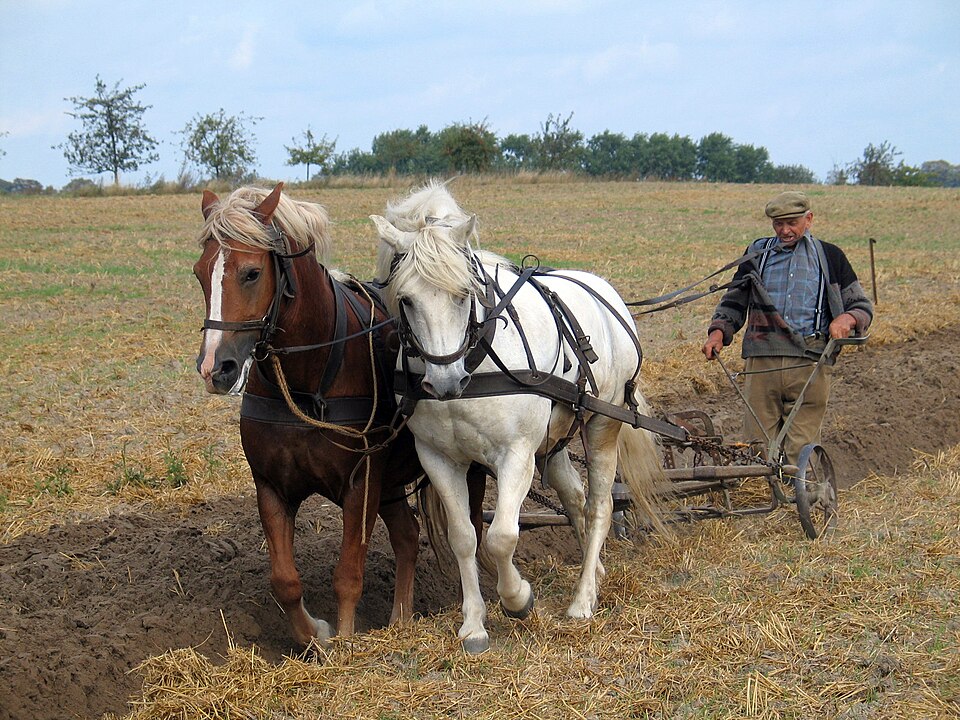
Farming has changed enormously thanks to modern tools and technology. Early farmers used simple hand tools like hoes, sickles, and wooden plows pulled by oxen or horses. The invention of the steel plow in the 1830s by John Deere made it much easier to break up tough prairie soil. Today, farmers use powerful tractors, combine harvesters, and irrigation systems that can cover hundreds of acres in a single day. Some modern farms even use drones to check on crops from the air and GPS-guided tractors that can plant seeds in perfectly straight rows without a driver steering.
Where Our Food Comes From
The journey from farm to table involves many steps and many people working together. After crops are harvested, they are often taken to processing plants where they are cleaned, sorted, and packaged. Trucks, trains, and ships transport food from farms to grocery stores, restaurants, and markets all over the country and around the world. The United States is one of the largest food-producing countries, with farms covering about 900 million acres of land. California, Iowa, Texas, Nebraska, and Kansas are among the top farming states, each specializing in different crops and livestock.
Challenges Farmers Face
Farming can be risky because so much depends on things farmers cannot control, like the weather. Droughts, floods, hailstorms, and early frosts can destroy entire harvests and cost farmers their income for the year. Pests like locusts, beetles, and fungi can also damage crops if they are not managed carefully. Climate change is making weather patterns less predictable, which makes planning and planting even harder for farmers. Many farmers also face financial challenges because the cost of seeds, equipment, and fuel keeps rising while the prices they receive for their products can go up and down unpredictably.
Sustainable Farming
Many farmers today are finding ways to grow food while also protecting the environment. Sustainable farming practices include crop rotation, where farmers plant different crops in the same field each year to keep the soil rich in nutrients. Cover crops like clover and rye are planted between growing seasons to prevent soil erosion and add natural nutrients back into the ground. Organic farming avoids using synthetic pesticides and fertilizers, relying instead on natural methods to control pests and enrich the soil. These practices help ensure that farmland stays healthy and productive for future generations of farmers.
Why Farmers Matter
Farmers are some of the most essential community helpers because every person on Earth depends on them for food. In the United States, about 2 million farms produce enough food to feed over 330 million Americans and export large quantities to other countries. Beyond food, farmers contribute to their local economies by creating jobs and supporting businesses like equipment dealers, veterinarians, and seed companies. Farming families often pass their knowledge and land down through generations, keeping alive traditions and skills that connect communities to the land they live on.
 OtterKnow Kids Encyclopedia