What Do Librarians Do?
Librarians are trained professionals who help people find information and resources. They organize books and materials so everything is easy to locate, and they teach people how to search for what they need. Many librarians have a master’s degree in library science, which means they spent years learning how to manage information. They also choose which new books and materials the library should add to its collection.
The History of Libraries
Libraries have existed for thousands of years. One of the most famous ancient libraries was the Library of Alexandria in Egypt, built around 300 BCE, which tried to collect all the knowledge in the world. In the early 1900s, a businessman named Andrew Carnegie donated money to build more than 1,600 public libraries across the United States. Before public libraries became common, most people could not afford to buy many books, so libraries helped spread knowledge to everyone.
How Libraries Are Organized
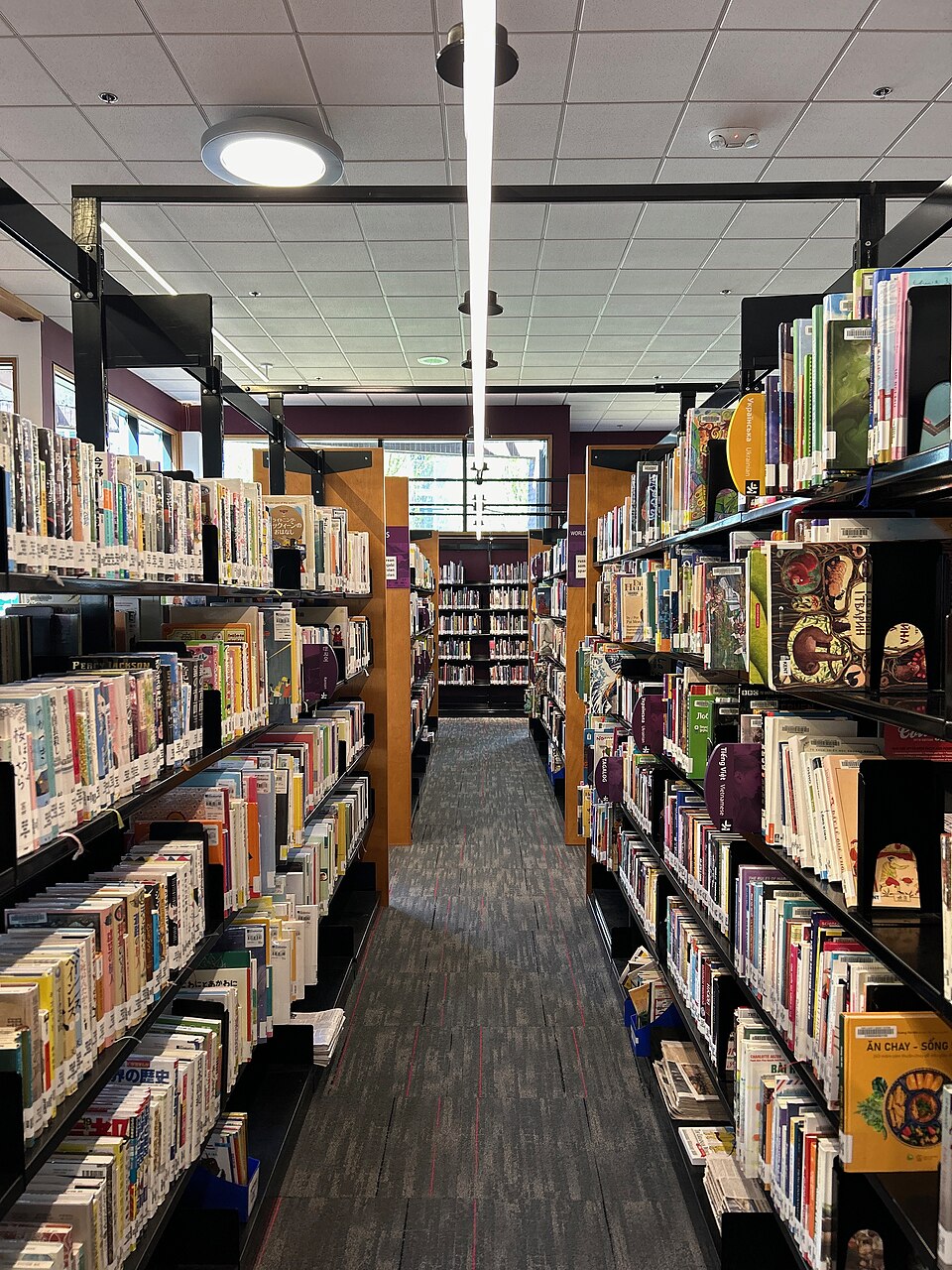
Most libraries use a system called the Dewey Decimal Classification to organize nonfiction books by subject. This system was invented by Melvil Dewey in 1876 and assigns a number to every topic, from science to history to art. Fiction books are usually arranged alphabetically by the author’s last name. Libraries also have a catalog, which is like a giant search engine that helps you find any book in the building.
Programs and Events
Libraries do much more than lend out books. Many libraries host story times for younger children, reading clubs for older kids, and homework help sessions after school. During the summer, libraries run reading programs that encourage kids to keep reading while school is out. Some libraries even offer maker spaces where visitors can use 3D printers, sewing machines, and other creative tools.
Different Types of Libraries
Public libraries serve everyone in a community, but there are other types of libraries too. School libraries, sometimes called media centers, are found inside schools and help students with their classwork. Academic libraries are located at colleges and universities and hold millions of research materials. There are also special libraries inside hospitals, law firms, and museums that focus on one specific subject.
Why Libraries Matter
Libraries are important because they give everyone equal access to information and learning. A child who cannot afford to buy books can still read hundreds of them at the library for free. Libraries also serve as community gathering places where people attend events, take classes, and meet their neighbors. Studies show that communities with strong libraries tend to have higher literacy rates and better-educated residents.
Libraries in the Digital Age
Today’s libraries offer much more than paper books. Many libraries let you borrow e-books, audiobooks, and streaming movies using apps on your phone or tablet. Librarians help people learn to use computers and navigate the internet safely. Even though the internet has changed how we find information, libraries remain important because librarians teach people how to tell the difference between reliable sources and misinformation.
 OtterKnow Kids Encyclopedia