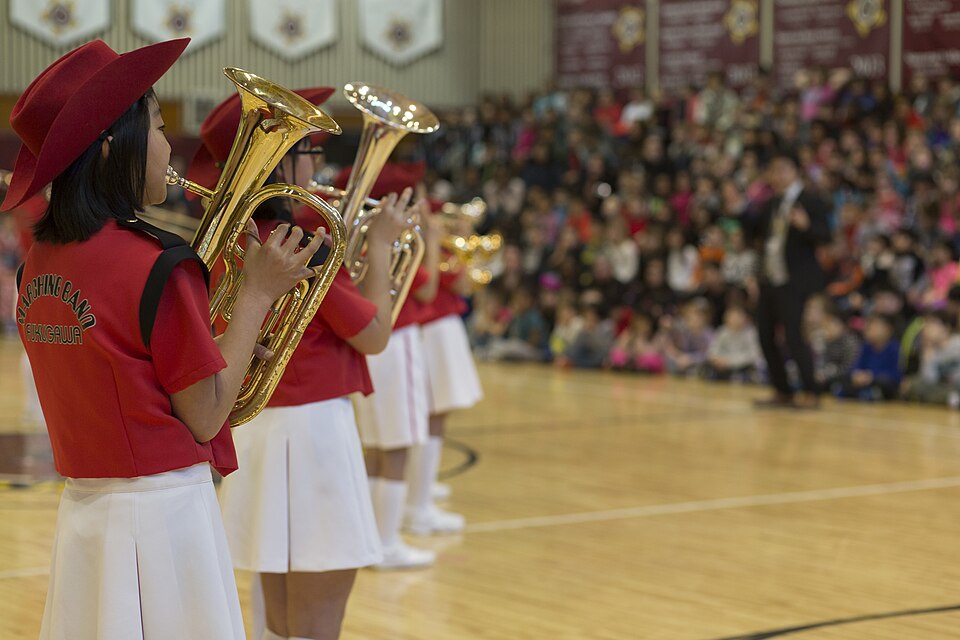
What Is Globalization?
Globalization is the process of the world becoming more connected through trade, travel, technology, and communication. Today, a person in Japan can video chat with a friend in Brazil, eat food from Thailand, and listen to music from Nigeria all in the same day. Modern transportation like airplanes and container ships move people and goods across the globe faster than ever before. The internet and social media have made it possible for ideas and trends to spread around the world in just hours.
The Silk Road and Early Trade Routes
Long before airplanes and the internet, ancient trade routes connected distant civilizations. The Silk Road was a network of paths stretching about 4,000 miles from China to the Mediterranean Sea, and it carried much more than just silk. Traders along the Silk Road exchanged spices, metals, paper, and gunpowder, but they also shared religions, languages, art styles, and scientific knowledge. The Indian Ocean trade routes connected East Africa, the Middle East, India, and Southeast Asia by sea for over 2,000 years. These early trade networks show that globalization is not a new idea but something humans have been doing for a very long time.
How Food Travels the World
One of the easiest ways to see cultural exchange is through the food we eat every day. Tomatoes originally came from the Americas, but today they are a key ingredient in Italian pasta sauce and Indian curries. Tea was first grown in China thousands of years ago, and British traders brought it to India in the 1800s, where it became one of the country’s most popular drinks. Pizza was created in Naples, Italy, but Italian immigrants brought it to the United States in the late 1800s, where it became one of America’s favorite foods. Every time you enjoy a meal with ingredients or recipes from another culture, you are experiencing cultural exchange.
Music and Art Across Borders
Music and art travel across borders and inspire people everywhere. Jazz music was born in New Orleans in the early 1900s, blending African rhythms, blues, and European harmonies, and it went on to influence musicians around the world. K-pop, or Korean pop music, started in South Korea and has become a global sensation, with fans on every continent. Anime and manga from Japan have inspired artists and storytellers far beyond Asia. When artists from different cultures collaborate or draw inspiration from one another, they create exciting new forms of expression.
Language and Cultural Exchange
Languages change and grow as cultures interact with one another. English has borrowed words from dozens of languages, including “chocolate” from the Nahuatl language of the Aztecs, “safari” from Swahili, and “kindergarten” from German. Today, about 1.5 billion people around the world speak English as either a first or second language, making it a common language for international business and science. At the same time, there are roughly 7,000 languages spoken on Earth, and many communities work hard to preserve their native languages even as globalization spreads. Learning words from other languages is a small but meaningful way to appreciate different cultures.
Benefits of Globalization
Globalization brings many positive changes to people’s lives around the world. It allows countries to trade goods and resources so that people can enjoy products that are not available locally. Medical discoveries and scientific knowledge spread faster, helping doctors treat diseases and save lives in every corner of the globe. Students can learn about other cultures without leaving their classrooms through online videos, virtual field trips, and pen pal programs. When people understand and appreciate different ways of life, it can build friendships and cooperation between nations.
Challenges of Globalization
While globalization connects the world in exciting ways, it also brings some challenges. When large international companies move into new areas, local businesses and traditional crafts can struggle to compete. Some people worry that globalization makes cultures too similar, replacing unique local traditions with the same global brands and entertainment. The spread of goods around the world also affects the environment through pollution from shipping and manufacturing. Finding a balance between staying connected globally and preserving what makes each culture special is one of the great challenges of our time.
Being a Global Citizen
A global citizen is someone who cares about the world beyond their own neighborhood and tries to make a positive difference. You can be a global citizen by learning about other cultures, trying new foods, and treating people from different backgrounds with respect and curiosity. Supporting fair trade products helps make sure that workers in other countries are paid fairly for their work. Even small actions like recycling, conserving water, or raising money for a cause can have an impact far beyond your community. The more we learn about each other, the better we can work together to solve the big problems facing our shared planet.
 OtterKnow Kids Encyclopedia