How Schools Are Organized
Different countries organize their school systems in different ways. In the United States, children usually start kindergarten at age five and attend elementary school through fifth or sixth grade. In Japan, the school year begins in April and students attend six years of elementary school starting at age six. Many European countries, like Germany, separate students into different types of secondary schools based on their skills and interests. In some countries, like Australia, children in remote areas learn through distance education programs because the nearest school may be hundreds of miles away.
School Days Around the Globe
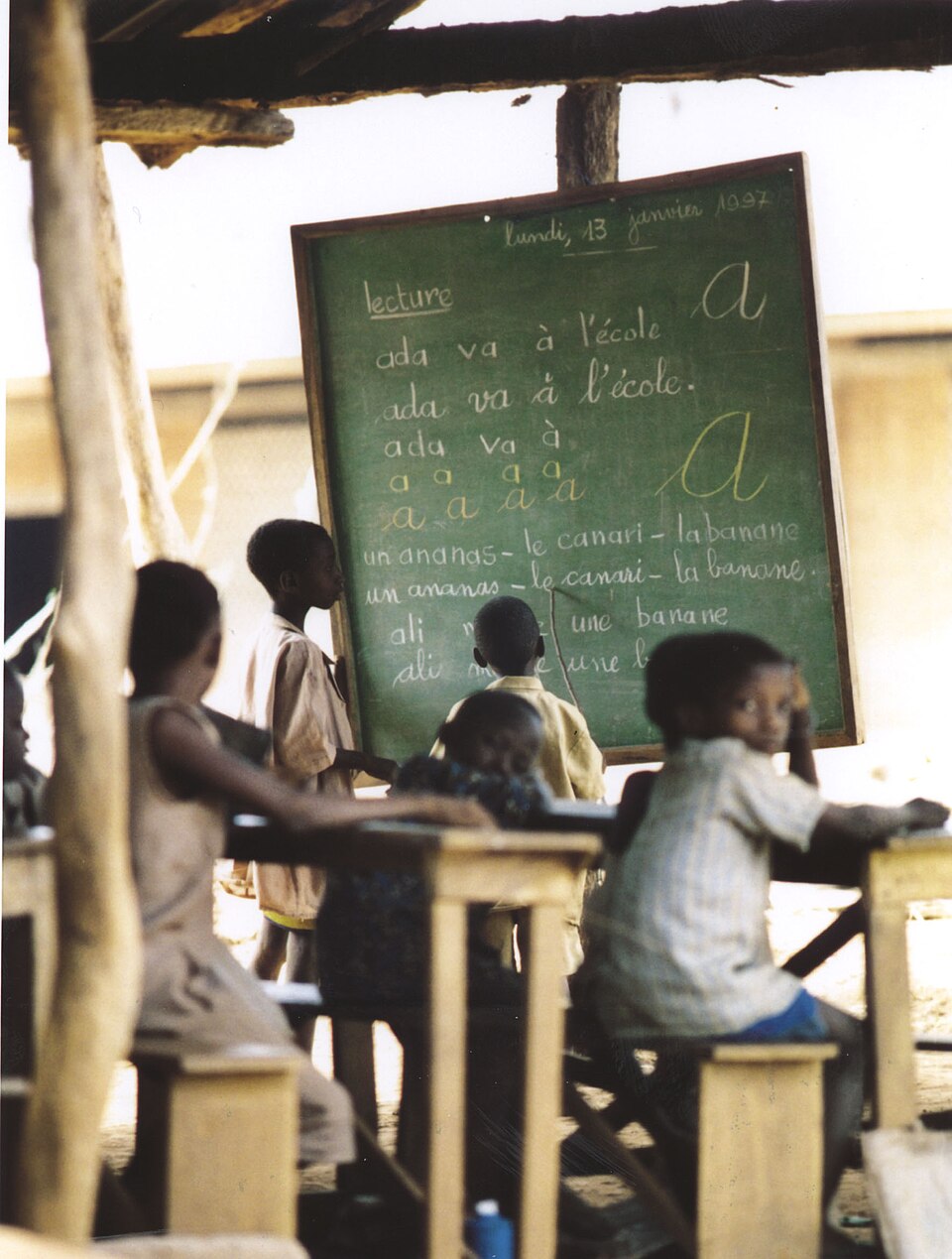
A typical school day can look very different depending on where you live. In South Korea, students often attend school from about 8 a.m. to 4 p.m. and then go to after-school study programs called hagwons. Students in Finland have shorter school days with plenty of recess breaks, and Finnish children do not start formal school until age seven. In Brazil, many schools run in two shifts so that one group of students attends in the morning and another in the afternoon. Some schools in India hold classes outdoors under trees when there is not enough room inside a building.
What Students Learn
Core subjects like math, reading, and science are taught almost everywhere, but many countries add unique topics to their curriculum. In Japan, students learn calligraphy, the art of beautiful handwriting with ink and brush, as part of their regular classes. Schools in New Zealand teach the Maori language and culture to help preserve the traditions of the indigenous people. Many Scandinavian countries include outdoor education, where students spend time learning in forests and nature. In the United States, students often study state history alongside national history to learn about the places where they live.
Languages in the Classroom
The language students use in school varies widely around the world. In countries like India, children might learn in their local language in early grades and then switch to English or Hindi for higher education. South Africa has eleven official languages, and schools offer instruction in several of them. Many European students begin learning a second language, often English, by the time they are eight or nine years old. Luxembourg is one of the most multilingual countries, where students learn Luxembourgish, French, and German all during their school years.
Challenges Students Face
Millions of children around the world still face barriers to getting a good education. About 250 million children worldwide are not in school, often because of poverty, conflict, or living in remote areas. Girls in some regions have less access to education because of cultural traditions or safety concerns, though this is improving in many places. Natural disasters like floods and earthquakes can destroy school buildings and interrupt learning for months or even years. Organizations like UNICEF and UNESCO work to build schools, train teachers, and provide supplies to children who need help the most.
Technology and Learning
Technology is changing how students learn in many parts of the world. In countries like Uruguay, the government gave every public school student a laptop through a program called Plan Ceibal, which started in 2007. Students in rural Kenya use tablet computers loaded with lessons so they can learn even when trained teachers are not available. During the COVID-19 pandemic, millions of students switched to online learning, though many families lacked internet access. Technology can help close the education gap, but it works best when combined with good teachers and supportive communities.
Education for the Future
Countries around the world are working to make education better and more available for every child. The United Nations set a goal to ensure that all children complete free primary and secondary school by the year 2030. Many nations are training more teachers, building new schools, and finding creative ways to reach students in hard-to-access areas. Students today are learning skills like coding, teamwork, and critical thinking to prepare for jobs that did not exist a generation ago. When children everywhere have the chance to learn, the whole world becomes a stronger and more connected place.
 OtterKnow Kids Encyclopedia