Types of Folktales
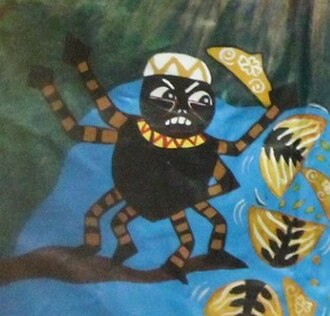
There are many different kinds of folktales, and each type has its own special features. Fairy tales are stories that often include magical creatures like fairies, witches, and talking animals, and they usually end with the words “happily ever after.” Fables are short stories that teach a moral or lesson, and they often feature animals that talk and act like people, such as the famous fables told by Aesop. Trickster tales are stories about clever characters who use their wits to outsmart others, like Anansi the spider from West African stories or Coyote from Native American traditions. Legends are stories based on real people or events, but with added details that may or may not be true, like the legends of King Arthur and the Knights of the Round Table.
Mythology from Ancient Greece
Ancient Greek mythology is one of the most well-known collections of myths in the world. The Greeks believed in many gods and goddesses who lived on top of Mount Olympus, the highest mountain in Greece. Zeus was the king of the gods and controlled thunder and lightning, while Athena was the goddess of wisdom and courage. Greek myths also told stories of heroes like Heracles, who completed twelve seemingly impossible tasks, and Odysseus, who spent ten years trying to sail home after the Trojan War. These myths were not just entertainment but helped the ancient Greeks explain natural events like storms, earthquakes, and the changing seasons.
Stories from Around the World
Every continent has its own collection of traditional stories. In West Africa, the stories of Anansi the spider teach cleverness and the importance of using your brain instead of your muscles. Norse mythology from Scandinavia tells of powerful gods like Thor, who carried a magic hammer, and Odin, who gave up one of his eyes in exchange for wisdom. In Japan, folktales like Momotaro tell the story of a boy born from a giant peach who goes on to defeat a group of demons. Aboriginal Australians have Dreamtime stories that explain how the land, animals, and people were created by ancestral beings. These stories show us that while cultures are different, people everywhere share a love of storytelling.
Common Themes in Folktales
Even though folktales come from many different places, they often share similar themes and ideas. Many stories feature a hero who must go on a difficult journey, face challenges, and return home changed for the better. The battle between good and evil appears in stories from nearly every culture, with the good characters usually winning in the end. Transformation is another popular theme, where characters change shape, like the frog who becomes a prince or the selkie who shifts between seal and human form. Stories about the importance of kindness, honesty, and helping others also appear again and again across many cultures.
Why People Tell Stories
People have always used stories to make sense of the world around them. Before science could explain things like why the sun rises or why volcanoes erupt, myths gave people answers that felt meaningful and helped them feel less afraid. Folktales also helped parents teach their children important life lessons without lecturing them directly. A story about a boy who cried wolf taught children the danger of lying, while a tale about sharing taught the value of generosity. Stories also helped communities remember their history, their ancestors, and the events that shaped who they are as a people.
Folktales in the Modern World
Traditional stories continue to influence our lives today in many surprising ways. Many popular movies, books, and television shows are based on ancient myths and folktales, from superhero stories inspired by Greek heroes to animated films that retell fairy tales. Authors and filmmakers often take old stories and give them new twists, setting them in modern times or telling them from a different character’s point of view. Storytelling festivals are held around the world where people gather to hear professional storytellers bring old tales to life. Libraries and schools also keep these stories alive by sharing them with new generations of readers and listeners.
Becoming a Storyteller
You do not need to be a famous author to be a storyteller. Everyone can learn to tell a good story by practicing a few simple skills. Start by choosing a folktale you enjoy and reading it several times until you know the main events by heart. When you tell the story, use different voices for different characters and change the speed and volume of your voice to build excitement. You can also add hand gestures and facial expressions to make the story come alive. Sharing stories with your family and friends connects you to others and keeps the ancient tradition of storytelling alive.
 OtterKnow Kids Encyclopedia