Language and Communication
One of the biggest parts of any culture is language. There are more than 7,000 languages spoken around the world today, from Mandarin Chinese to Spanish to Swahili. Language is not just about words, though. It also includes body language, hand gestures, and facial expressions that can mean different things in different cultures. For example, nodding your head means “yes” in most places, but in parts of Bulgaria and Greece, a nod can actually mean “no.” Learning even a few words in another language is a great way to show respect for someone’s culture.
Food and Traditions
Food is one of the most delicious parts of culture. In Mexico, families share tamales during holidays, while in Japan, people enjoy rice and miso soup as everyday meals. Many food traditions are passed down through families for generations, with grandparents teaching grandchildren their favorite recipes. Special dishes often appear during holidays and celebrations, like turkey at Thanksgiving in the United States or mooncakes during the Mid-Autumn Festival in China. The ingredients people cook with often depend on what grows naturally in their region.
Clothing and Dress
What people wear can say a lot about their culture. In India, many women wear beautifully colored saris made from long pieces of fabric. In Scotland, some men wear kilts, which are pleated skirts with tartan patterns that represent their family clan. In many West African countries, people wear brightly patterned fabrics called kente cloth for special occasions. Clothing choices are shaped by climate, available materials, religious beliefs, and traditions that have been practiced for centuries.
Music, Art, and Dance
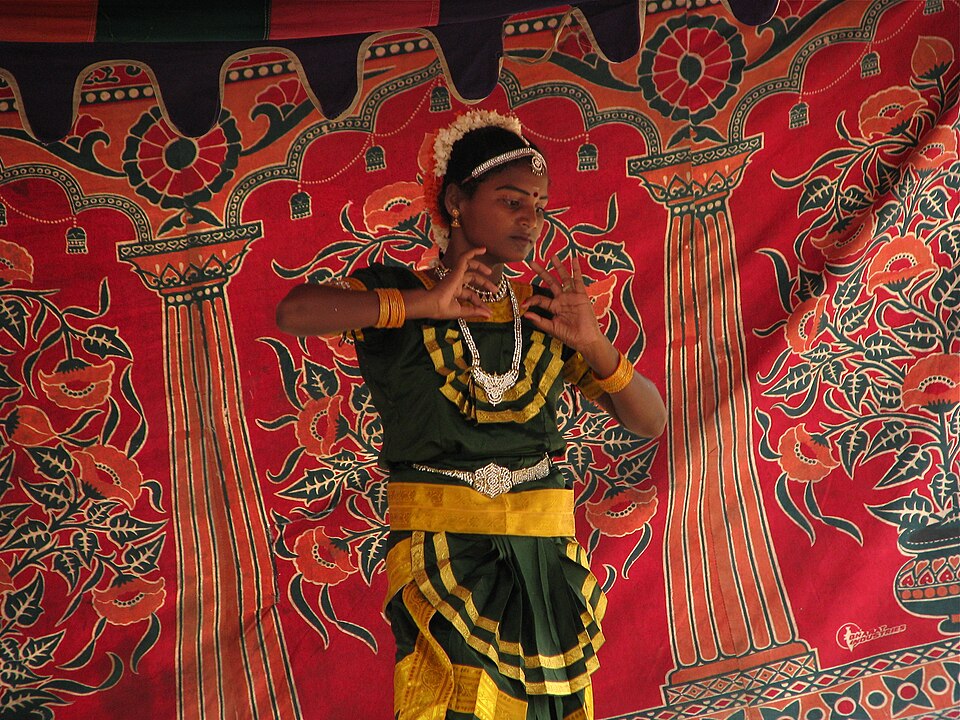
Every culture has its own forms of music, art, and dance. In West Africa, drumming is a powerful tradition used to celebrate, communicate, and tell stories. In Austria and Germany, classical music by composers like Mozart and Beethoven remains an important part of cultural identity. Dance styles like flamenco from Spain, hula from Hawaii, and Bollywood dance from India each tell stories and express emotions in unique ways. Art, music, and dance are some of the best ways cultures share their values and history with the rest of the world.
Holidays and Celebrations
Cultures celebrate important events with holidays and festivals throughout the year. Diwali, the Hindu festival of lights, fills streets in India with glowing lamps and fireworks. During Carnival in Brazil, millions of people dance in colorful parades with elaborate costumes and lively samba music. The Chinese New Year is celebrated with dragon dances, red envelopes filled with money, and family feasts that can last for days. These celebrations bring communities together and help younger generations learn about their heritage.
Religion and Beliefs
Religion and spiritual beliefs are important parts of many cultures around the world. Christianity, Islam, Hinduism, Buddhism, and Judaism are five of the world’s major religions, and each one shapes how millions of people live their daily lives. Religious beliefs influence what people eat, how they dress, which days they rest, and how they treat others. Some cultures also follow traditional spiritual practices connected to nature and their ancestors. Respecting different beliefs is an important part of getting along with people from other cultures.
How Cultures Change and Mix
Cultures are not frozen in time. They change and grow as people move to new places, meet new people, and share ideas. When people from different cultures live near each other, they often borrow traditions, foods, and words from one another. This mixing of cultures is sometimes called cultural blending. For example, the English language contains words borrowed from French, Latin, Arabic, and dozens of other languages. While change is natural, many communities also work hard to preserve their traditions so that important customs are not lost over time.
 OtterKnow Kids Encyclopedia