Italian Cuisine
Italian food is one of the most popular cuisines in the world, loved for its simple ingredients and bold flavors. Pasta, pizza, and gelato are Italian dishes that people enjoy in almost every country on Earth. Italians believe in using fresh, high-quality ingredients and letting their natural flavors shine. Each region of Italy has its own specialties. For example, Naples is famous for its pizza, while Bologna is known for rich meat sauces. The Mediterranean climate of Italy provides olive oil, tomatoes, basil, and garlic, which form the base of many classic Italian dishes.
Mexican Cuisine
Mexican cuisine is colorful, flavorful, and deeply connected to the country’s ancient history. Corn, beans, and chili peppers have been important ingredients in Mexican cooking for thousands of years, dating back to the Aztec and Maya civilizations. Tacos, enchiladas, and tamales are popular Mexican dishes enjoyed around the world. Mole, a rich sauce made from chili peppers and sometimes chocolate, can take days to prepare and is served at special celebrations. In 2010, Mexican cuisine was added to UNESCO’s list of Intangible Cultural Heritage, recognizing its importance to world culture.
Japanese Cuisine
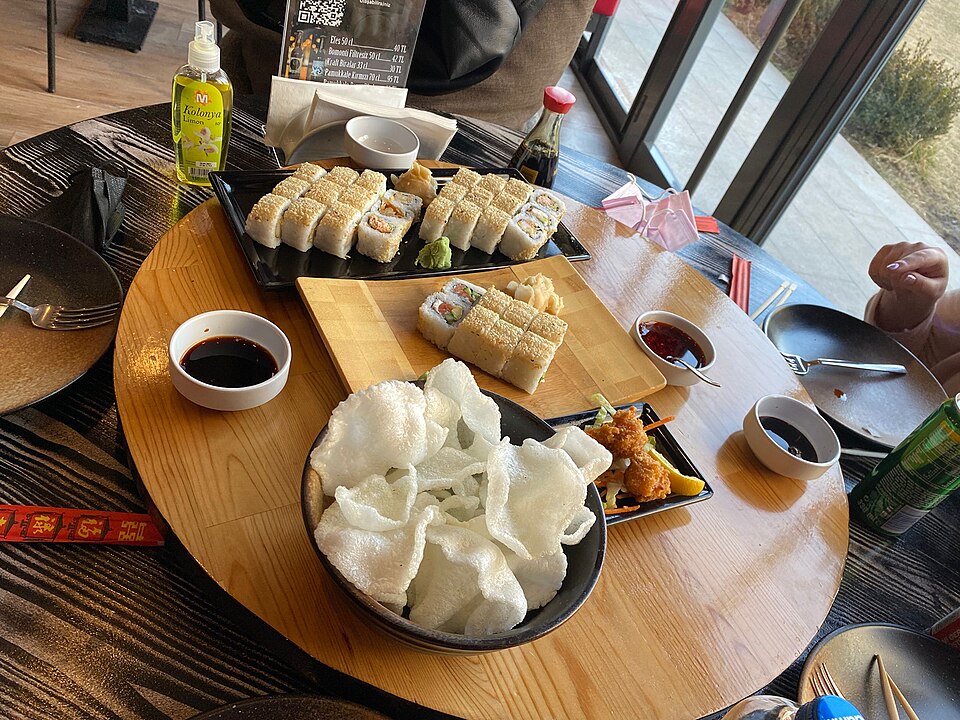
Japanese cuisine is known for its beautiful presentation and fresh, seasonal ingredients. Rice is the foundation of most Japanese meals and has been grown in Japan for over 2,000 years. Sushi, which combines vinegared rice with fish or vegetables, is perhaps the most famous Japanese dish worldwide. Japanese cooks pay close attention to how food looks on the plate, believing that people eat with their eyes first. Ramen, a hearty noodle soup, and tempura, which is lightly battered and fried vegetables or seafood, are other beloved dishes from Japan.
Indian Cuisine
India’s cuisine is as diverse as the country itself, with each region offering its own unique flavors and cooking styles. Spices like turmeric, cumin, coriander, and cardamom give Indian food its rich and complex taste. In northern India, people enjoy tandoori chicken cooked in clay ovens and thick curries served with naan bread. Southern Indian cuisine features rice-based dishes, coconut milk, and lighter flavors. India has one of the largest vegetarian populations in the world, so many traditional dishes are made entirely from vegetables, lentils, and grains.
Chinese Cuisine
China is a huge country, and its cuisine varies greatly from region to region. Sichuan province in the southwest is famous for its spicy, mouth-numbing dishes flavored with Sichuan peppercorns. Cantonese cuisine from the southeast is known for dim sum, which are small plates of dumplings, buns, and other snacks served with tea. Noodles and rice are the two main staples of Chinese cooking, with noodles more common in the north and rice more common in the south. Chinese cooking techniques like stir-frying in a wok have been practiced for thousands of years and are now used by cooks all over the world.
African Cuisines
Africa is a continent of 54 countries, and its many cuisines vary widely from region to region. In West Africa, jollof rice is a beloved one-pot dish made with tomatoes, onions, and spices that several countries claim to make best. Ethiopian cuisine features injera, a spongy flatbread used as both a plate and an utensil to scoop up stews and vegetables. In North Africa, couscous and tagines, which are slow-cooked stews named after the clay pot they cook in, are everyday favorites. Many African cuisines use local grains, root vegetables, and fresh herbs that have been part of traditional diets for centuries.
How Cuisines Travel and Change
When people move to new countries, they bring their recipes and cooking traditions with them. Over time, these recipes often change as cooks adapt to new ingredients available in their new homes. This is how fusion cuisine is born, blending flavors and techniques from two or more cultures. For example, Tex-Mex food combines Mexican and American cooking styles, while Japanese-Peruvian cuisine mixes flavors from both countries. Cuisines have been traveling and changing for thousands of years, ever since ancient traders carried spices along the Silk Road connecting Asia, the Middle East, and Europe.
Why Food Brings People Together
Sharing a meal is one of the oldest ways humans connect with each other. In almost every culture, eating together is an important part of family life, friendships, and celebrations. Food can help us learn about people who are different from us and find things we have in common. Trying a dish from another country can spark curiosity about that place, its people, and its history. Whether it is a family dinner, a school potluck, or a neighborhood festival, food brings people together across all kinds of differences.
 OtterKnow Kids Encyclopedia