Where Do Traditions Come From?
Many family traditions are passed down from grandparents, great-grandparents, and even earlier ancestors. These customs often reflect a family’s cultural background, including the country or region their ancestors came from. Some traditions come from religious beliefs and practices that have been followed for hundreds or even thousands of years. Other traditions are brand new, created by families who want to start their own special customs. Families can also blend traditions from different cultures, especially when parents come from different backgrounds.
Understanding Heritage
Heritage is the collection of customs, values, stories, and history that are passed from one generation to the next. It includes things like the languages your family speaks, the foods they cook, and the holidays they celebrate. Your heritage connects you to people who lived long before you were born, even if you never met them. Learning about your heritage can help you understand why your family does certain things and where those practices started. Heritage is like a bridge between the past and the present that helps you understand who you are.
Holiday and Seasonal Traditions
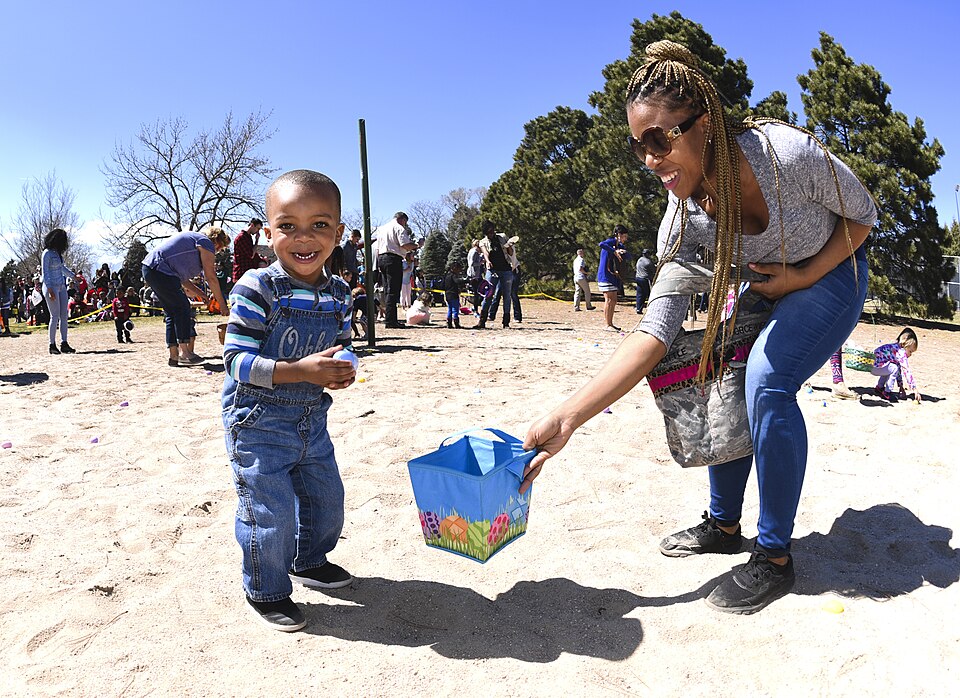
Holidays are one of the most common times for family traditions. Many families gather for holidays like Thanksgiving, Diwali, Lunar New Year, Eid, Hanukkah, Christmas, or Kwanzaa with special meals, decorations, and activities. Seasonal traditions might include picking apples in the fall, planting a garden in spring, or going to the beach every summer. Some families have unique holiday traditions, like wearing matching pajamas on Christmas Eve or making a special dish that only comes out once a year. These celebrations help mark the passage of time and give families reasons to come together.
Food and Family Recipes
Food is one of the most powerful ways families keep their traditions alive. Many families have special recipes that have been handed down through generations, sometimes written on stained recipe cards or kept only in someone’s memory. Cooking together teaches younger family members important skills while keeping cultural connections strong. A family recipe for tamales, dumplings, pierogi, or curry can tell a story about where a family’s ancestors lived and what ingredients were available to them. Sharing traditional foods during gatherings helps family members feel connected to their roots.
Storytelling and Oral History
Before books and the internet, families passed down their history through storytelling. Older family members would share tales about ancestors, important events, and lessons learned. This oral tradition helped preserve knowledge and values that might otherwise have been lost. Today, many families still gather to share stories about relatives, funny moments, and family adventures. Recording these stories through writing, audio, or video can help preserve them for future generations to enjoy.
Creating New Traditions
Families do not have to stick only to old traditions — they can create new ones anytime. A new tradition might start by accident, like when a family tries something fun and decides to do it again every year. Moving to a new place, welcoming a new family member, or blending two families together are all great reasons to start fresh traditions. The most important thing about a tradition is that it brings the family closer together and makes everyone feel included. Even small traditions, like a weekly game night or a special birthday breakfast, can become the memories that family members treasure most.
Why Traditions Matter
Research shows that family traditions and rituals help children feel more secure and develop a stronger sense of identity. Kids who know their family’s history and participate in traditions tend to have higher self-esteem and feel more in control of their lives. Traditions also help families get through difficult times by providing comfort and routine when things feel uncertain. They teach important values like respect, generosity, and togetherness without anyone having to give a lecture. Whether your family has traditions that go back centuries or ones you started last week, they all serve the same purpose — bringing people together and giving everyone something to share.
 OtterKnow Kids Encyclopedia