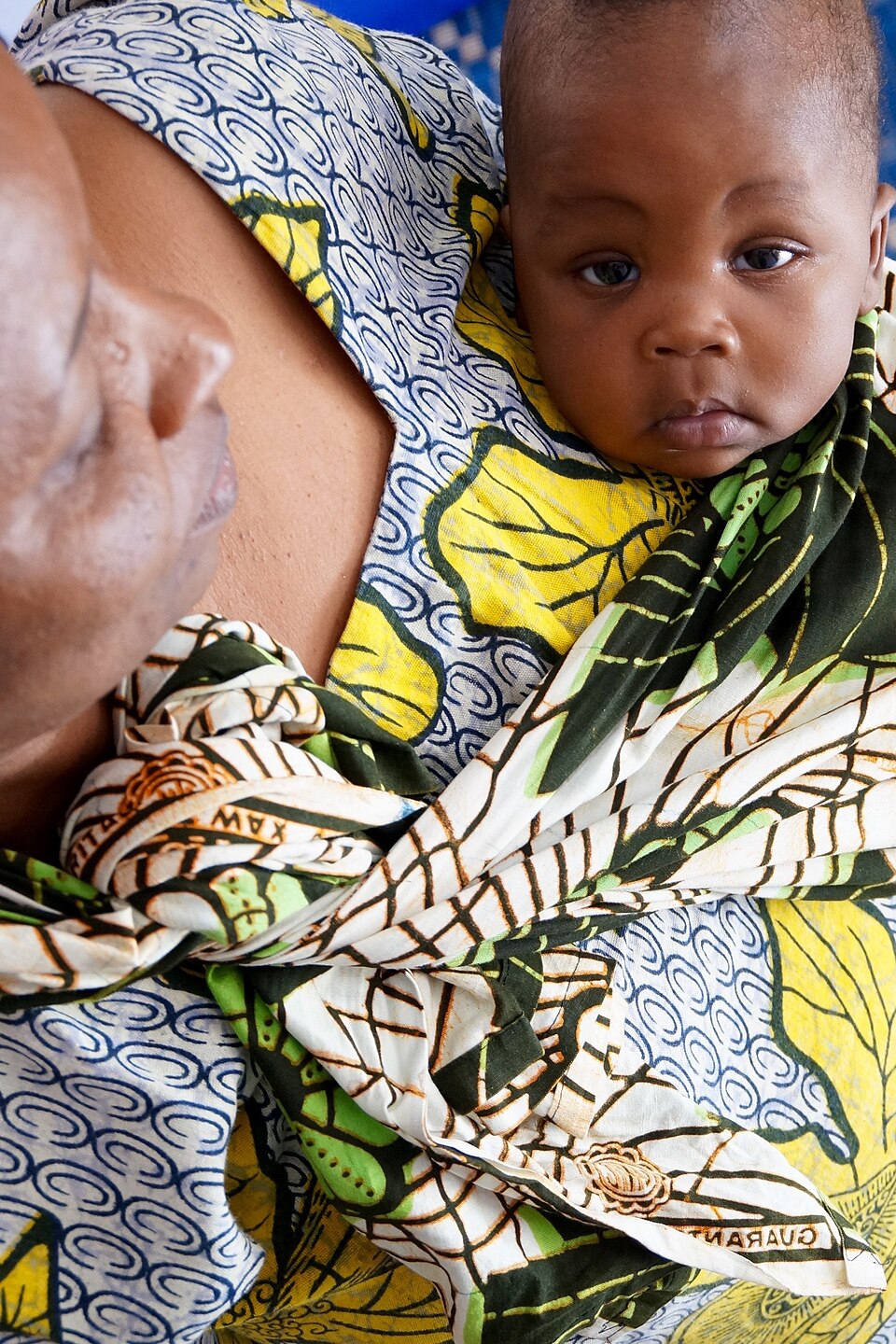
The Special Role of Grandparents
Grandparents hold a unique place in families because they connect different generations together. They have lived through experiences and time periods that their grandchildren can only learn about through stories and photos. Many grandparents help care for their grandchildren by babysitting, picking them up from school, or even living in the same household. In the United States, about 7 million grandparents live with at least one grandchild, and around 2.4 million of them are the primary caregivers. Grandparents often have more patience and free time than busy parents, which allows them to form deep, special bonds with their grandchildren.
Learning from Older Generations
Grandparents and other older relatives are living links to history. They can tell you what life was like before smartphones, the internet, or even color television. Their personal stories about growing up, going to school, and starting families help bring history to life in ways that textbooks cannot. Many grandparents teach their grandchildren practical skills like cooking family recipes, fishing, gardening, or playing musical instruments. Studies have shown that children who have close relationships with their grandparents develop greater empathy and respect for older people in general.
Aunts, Uncles, and Cousins
Aunts and uncles are your parents’ siblings, and their children are your cousins. These relatives often play important roles as mentors, friends, and additional sources of support. Cousins can be some of the longest friendships you will ever have, since you often grow up together attending family gatherings and celebrations. In many cultures, aunts and uncles are expected to help raise children in the family, not just their own. Some people are so close to family friends that they call them “aunt” or “uncle” even though they are not related by blood.
Extended Families Around the World
Different cultures have different ideas about extended family and how families should live. In many parts of Asia, Africa, and Latin America, it is common for multiple generations to live together in one household. In India, the joint family system traditionally includes grandparents, parents, children, and sometimes aunts and uncles all under one roof. In Western countries like the United States and parts of Europe, nuclear families (just parents and children) living separately became more common during the twentieth century. However, multigenerational households have been growing again in the United States, with about 18 percent of Americans living in homes with two or more adult generations.
Staying Connected Across Distance
Many families today are spread across different cities, states, or even countries. Technology makes it easier than ever to stay in touch through video calls, text messages, and social media. Regular phone calls and video chats help grandchildren maintain close relationships with grandparents who live far away. Family reunions, where large groups of relatives gather together, are a popular way to strengthen bonds and meet relatives you might not see very often. Writing letters, sharing photos, and sending care packages are other meaningful ways to show distant family members that you care about them.
Grandparents as Caregivers
In many families, grandparents take on the role of primary caregiver for their grandchildren. This can happen for many reasons, including parents working long hours, military deployment, illness, or other family circumstances. Grandparent-headed households are found in every community and culture around the world. Children raised by grandparents often benefit from the wisdom, stability, and life experience that older caregivers bring. These families may face unique challenges, but the love and dedication grandparents show by stepping into this role is deeply valued.
Why Extended Family Matters
Extended family provides a wider network of love, support, and belonging. When families face tough times, having aunts, uncles, grandparents, and cousins to lean on can make a big difference. Extended family members help children develop a sense of identity by sharing family stories, traditions, and values. Research from Emory University found that children who know more about their family history tend to have higher self-esteem and a stronger sense of belonging. Whether your extended family lives next door or across the ocean, these relationships add support, knowledge, and connection to your life.
 OtterKnow Kids Encyclopedia