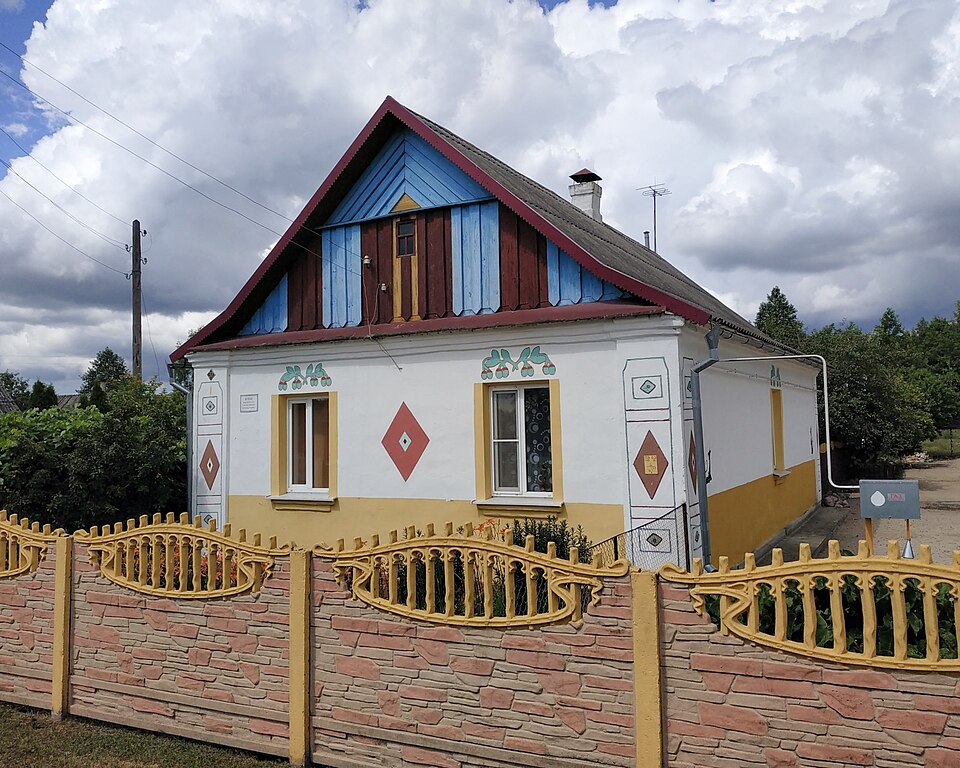
Types of Homes Around the World
There are many different types of homes found across the globe. In cities, people often live in apartments or condominiums that are stacked in tall buildings to fit many families in a small area. In rural areas, people may live in single-family houses, farmhouses, or cottages with large yards and open land nearby. Some cultures have unique home styles, such as yurts used by nomadic families in Central Asia, stilt houses built over water in Southeast Asia, or adobe homes made from sun-dried clay bricks in the American Southwest. The type of home people live in often reflects the environment and traditions of their region.
Building Materials and Construction
Homes are built from many different materials depending on what is available in the area. Wood is one of the most common building materials in North America and is used for the frames, walls, and floors of many houses. In other parts of the world, people use brick, stone, concrete, bamboo, or even packed earth to construct their homes. Modern construction also uses steel and glass, especially for tall apartment buildings and skyscrapers. Builders called construction workers, architects, and engineers all work together to design and construct homes that are safe, sturdy, and comfortable for the people who will live in them.
How Climate Affects Homes
The climate of a region has a big influence on how homes are designed and built. In cold places like Scandinavia and northern Canada, homes have thick insulated walls, steep roofs to shed snow, and powerful heating systems to keep families warm. In hot, dry climates like parts of Africa and the Middle East, homes may have thick walls made of clay or stone that stay cool during the day and flat roofs for sleeping outdoors at night. In areas with heavy rainfall or flooding, homes are sometimes built on stilts to keep the living space above the water. People have always adapted their homes to fit the weather and natural conditions around them.
The History of Housing
Humans have been building shelters for thousands of years. Some of the earliest homes were caves that provided natural protection from weather and wild animals. Over time, people learned to build simple huts from branches, animal skins, and mud. The ancient Romans built homes with running water and heated floors, while medieval Europeans lived in stone castles or timber-framed houses. During the 1800s and 1900s, the Industrial Revolution made it possible to produce building materials like steel and glass in large quantities, leading to the construction of modern apartment buildings and suburbs. Today, architects continue to develop new and creative ways to build homes.
Renting and Owning a Home
There are two main ways people have a place to live: renting and owning. When people rent a home, they pay money each month to a landlord who owns the property, and the landlord is usually responsible for major repairs. When people buy a home, they often take out a loan called a mortgage from a bank and pay it back over many years. Owning a home means the family is responsible for all the repairs and upkeep, but they also build equity, which means the home becomes a valuable asset they own. In many countries, both renting and owning are common, and families choose the option that works best for their needs and budget.
Homelessness and Housing Challenges
Not everyone has a safe and stable place to live. Homelessness is a serious problem in many countries, and it can happen for many reasons, including job loss, high housing costs, or family emergencies. Communities and governments work to address homelessness by building affordable housing, creating shelters, and offering support services to help people get back on their feet. Some cities have programs that provide temporary housing and job training to help families find permanent homes. Understanding housing challenges helps us appreciate the importance of safe shelter and encourages us to support efforts that help everyone have a place to call home.
The Future of Housing
New ideas and technologies are changing the way homes are built and powered. Green building practices use materials and designs that save energy, reduce waste, and protect the environment. Solar panels on rooftops can generate electricity from sunlight, and some homes are designed to be “net zero,” meaning they produce as much energy as they use. Engineers are also experimenting with 3D-printed homes, which can be built quickly and affordably using large machines that layer concrete or other materials. As the world’s population grows, finding creative and sustainable ways to house everyone will be one of the most important challenges of the future.
 OtterKnow Kids Encyclopedia