Chores for Kids
Kids of all ages can help out around the house with tasks that match their abilities. Younger children can help by picking up toys, making their beds, and setting the table for meals. Older kids in grades 3-5 can take on more responsibility, such as vacuuming, loading the dishwasher, folding laundry, or helping prepare simple meals. Some families create chore charts or lists to keep track of who does what each day or week. Doing chores regularly helps kids develop good habits, learn time management, and feel proud of contributing to their family.
Cooking and Meal Preparation
Preparing meals is one of the most important household responsibilities because everyone needs to eat nutritious food to stay healthy. In many families, parents or guardians do most of the cooking, but kids can help in many ways, such as washing vegetables, stirring ingredients, or measuring out recipe amounts. Learning basic cooking skills at a young age helps children understand nutrition and make healthier food choices. Meal preparation also includes planning what to eat, making grocery lists, and shopping for ingredients. Cleaning up after meals by washing dishes and wiping down counters is just as important as the cooking itself.
Keeping a Home Clean and Organized
A clean and organized home is healthier and more comfortable for everyone who lives there. Regular cleaning tasks include sweeping and mopping floors, dusting furniture, cleaning bathrooms, and wiping down kitchen surfaces. Keeping things organized means putting items back where they belong, sorting through belongings to donate things you no longer need, and making sure common areas stay tidy. Research shows that clutter and mess can increase stress, while clean and organized spaces help people feel calmer and more focused. Setting aside a little time each day for cleaning prevents chores from piling up into overwhelming tasks.
Laundry and Clothing Care
Taking care of clothing is a household responsibility that many kids can learn to help with. The laundry process involves sorting clothes by color and fabric type, loading the washing machine, transferring clothes to the dryer or hanging them to dry, and folding or hanging clean clothes. Learning to read clothing care labels helps prevent mistakes like shrinking a favorite sweater or fading a bright shirt. In the United States, the average family does about 8 to 10 loads of laundry per week. Keeping up with laundry on a regular schedule makes the task more manageable and ensures everyone always has clean clothes to wear.
Yard Work and Outdoor Maintenance
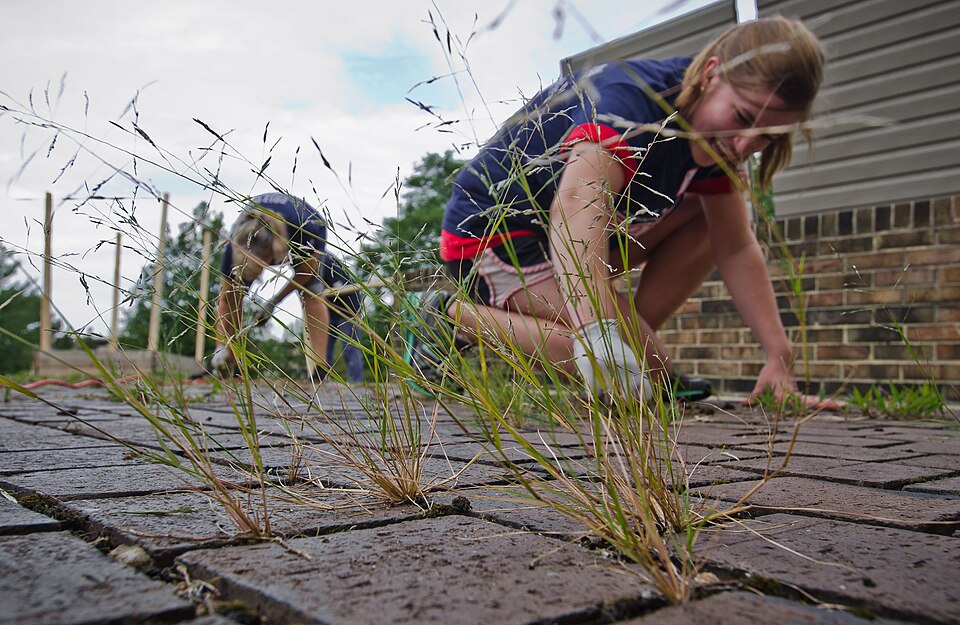
Many homes have outdoor spaces that need regular attention and care. Yard work can include mowing the lawn, raking leaves, pulling weeds, watering plants, and shoveling snow in the winter. These tasks help keep the outside of the home looking nice and prevent problems like overgrown plants blocking walkways or ice making sidewalks dangerous. Kids can help with outdoor chores like watering the garden, sweeping the porch, or helping to plant flowers and vegetables. Taking care of outdoor spaces also provides exercise and a chance to spend time in nature, which is good for both physical and mental health.
Why Sharing Responsibilities Matters
When household responsibilities are shared fairly among family members, it teaches important values like teamwork, fairness, and consideration for others. Studies have shown that children who do regular chores tend to develop stronger work habits, better social skills, and a greater sense of responsibility that carries into adulthood. Sharing the workload also means that no single person in the family is overwhelmed by all the tasks. In many cultures around the world, working together to maintain the home is seen as a way of showing love and care for one another. Talking openly about who does what and adjusting responsibilities as kids grow older helps families work together smoothly.
Building Life Skills for the Future
The household responsibilities children learn at home prepare them for living independently as adults. Skills like cooking, cleaning, doing laundry, and managing a budget are essential for anyone living on their own. Many young adults say they wish they had learned more practical household skills before leaving home for college or their first apartment. Starting these skills early gives kids years of practice before they need to rely on them. Beyond the practical benefits, doing household tasks builds confidence, problem-solving abilities, and the satisfaction of knowing you can take care of yourself and the people around you.
 OtterKnow Kids Encyclopedia