Why Voting Matters
Voting is one of the most important rights in a democracy. When people vote, they help decide which laws get passed and which leaders make decisions on their behalf. Every single vote counts because elections can sometimes be decided by just a handful of votes. Voting is also a way for people to stand up for the issues they care about, like education, the environment, or healthcare. When more people vote, the government better reflects what the whole community wants.
Who Can Vote?
In the United States, citizens who are 18 years old or older have the right to vote. But this was not always the case. When the country was first founded, only white men who owned property could vote. Over time, amendments to the Constitution expanded voting rights to all men regardless of race (the 15th Amendment in 1870), to women (the 19th Amendment in 1920), and to 18-year-olds (the 26th Amendment in 1971). Many people fought hard and made great sacrifices so that all citizens could have an equal voice.
How Elections Work
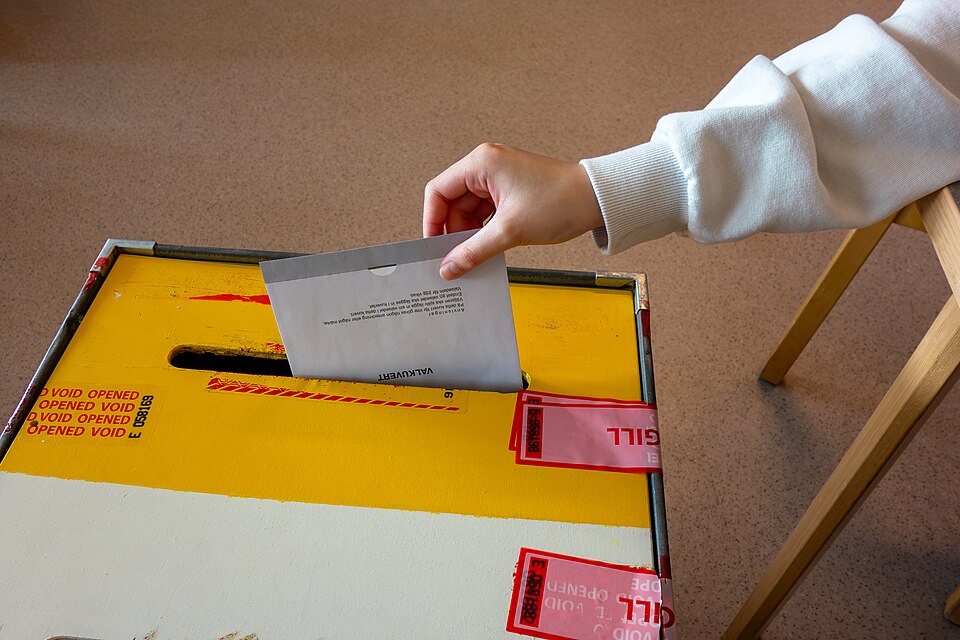
Before an election, candidates campaign by traveling around, giving speeches, and explaining their ideas to voters. On Election Day, voters go to polling places in their neighborhoods or mail in their ballots. Each voter marks their choices on a ballot in private, so no one can pressure them to vote a certain way. This is called a secret ballot, and it helps protect the fairness of elections. After the polls close, all the votes are counted and the winners are announced.
Types of Elections
There are several types of elections in the United States. Primary elections let voters choose which candidates from each political party will run in the general election. General elections are the main events where voters pick their leaders, like the president, governors, senators, and mayors. Special elections can be called to fill a seat when an official leaves office early. Some states also hold referendums, where voters decide directly on specific laws or issues instead of choosing a person.
The Electoral College
When Americans vote for president, they are actually voting for a group of electors who make up the Electoral College. Each state gets a number of electors based on its population, and there are 538 electors in total. A candidate needs at least 270 electoral votes to win the presidency. This system means that a candidate can win the popular vote nationwide but still lose the election, which has happened five times in American history. The Electoral College was created by the founders of the country as a compromise between a vote by Congress and a direct popular vote.
Voting Around the World
Countries around the world hold elections, but they do not all work the same way. In some countries like Australia, voting is compulsory, meaning citizens are required by law to vote. Many nations use a parliamentary system where people vote for a political party, and the leader of the winning party becomes the prime minister. Some countries hold elections but do not allow truly free and fair choices, which means they are not real democracies. International organizations sometimes send observers to make sure elections in different countries are conducted fairly.
Good citizens prepare before they vote by learning about the candidates and the issues. They can read news articles, watch debates, and talk to family and friends about what matters most to them. It is important to get information from many different sources so voters can form their own opinions. Young people can start practicing now by voting in school elections, following current events, and discussing issues with their classmates. Even though kids cannot vote in government elections yet, they can still make their voices heard by writing letters to elected officials or attending community meetings.
 OtterKnow Kids Encyclopedia