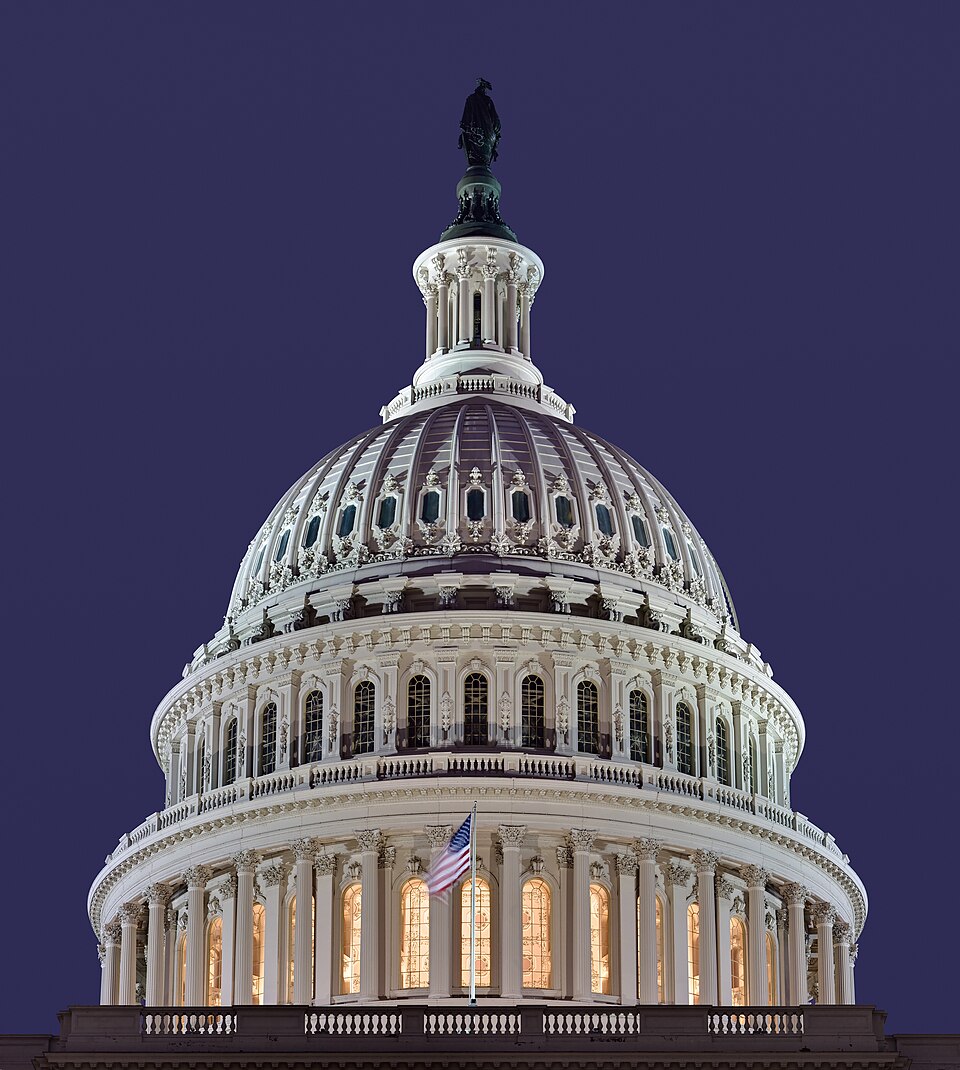
What Is Public Service?
Public service means working to help your community, state, or country rather than working only for personal gain. People in public service include elected officials like mayors, governors, and members of Congress, as well as government workers like teachers in public schools and firefighters. Public servants are paid with tax dollars collected from citizens, so their job is to serve the people. Many people choose careers in public service because they want to make a real difference in other people’s lives. Public service is one of the most important ways that communities stay safe, healthy, and well-organized.
Qualities of a Good Leader
Good leaders share several important qualities that help them guide others effectively. They are honest and trustworthy, so people feel confident following their direction. They show empathy, which means they try to understand how other people feel and what they need. Strong leaders also have courage — they are willing to make difficult decisions even when it is not the popular choice. Finally, good leaders are good communicators who can explain their ideas clearly and listen carefully to feedback from others.
Types of Leaders in Government
The United States government has leaders at every level, from local towns to the entire nation. The President is the leader of the country and is responsible for enforcing laws, commanding the military, and representing the nation to the rest of the world. Each state has a governor who leads the state government and works on issues like education, roads, and public safety. Cities and towns have mayors or city council members who handle local matters such as parks, libraries, and police departments. All of these leaders are elected by citizens through voting, which gives people a say in who represents them.
Leaders Beyond Government
Leadership is not limited to people who work in government — leaders can be found in every part of society. Business leaders run companies and make decisions that affect their employees and customers. Community leaders organize neighborhood events, volunteer programs, and local projects that bring people together. Religious leaders guide their congregations and often lead charitable efforts to help those in need. Scientists, doctors, teachers, and activists can all be leaders when they use their knowledge and skills to make the world a better place.
Famous Public Servants in History
Many of the most admired people in American history dedicated their lives to public service. Abraham Lincoln served as the sixteenth President and led the country through the Civil War while working to end slavery. Eleanor Roosevelt, as First Lady, championed human rights and helped create the Universal Declaration of Human Rights at the United Nations in 1948. Dr. Martin Luther King Jr. was a civil rights leader who fought for equality and justice through peaceful protest. These public servants showed that one person’s dedication to serving others can change the course of history.
How Young People Can Be Leaders
You do not have to be an adult to be a leader or serve your community. Students can take on leadership roles by joining student council, leading a school club, or organizing a community service project like a food drive or park cleanup. Simply standing up for a classmate who is being treated unfairly is an act of leadership. Volunteering at a local food bank, animal shelter, or library is a great way to practice public service. Every time you help someone or work to make your school or neighborhood better, you are building the leadership skills that will serve you for the rest of your life.
Why Leadership and Public Service Matter
Leadership and public service are essential because they keep communities running smoothly and help solve the problems that affect everyone. Without dedicated public servants, there would be no one to maintain roads, run schools, or respond to emergencies. Good leaders bring people together during difficult times and inspire others to take action. When citizens get involved in public service — whether by voting, volunteering, or running for office — democracy becomes stronger. A society works best when everyone is willing to contribute to the common good.
 OtterKnow Kids Encyclopedia