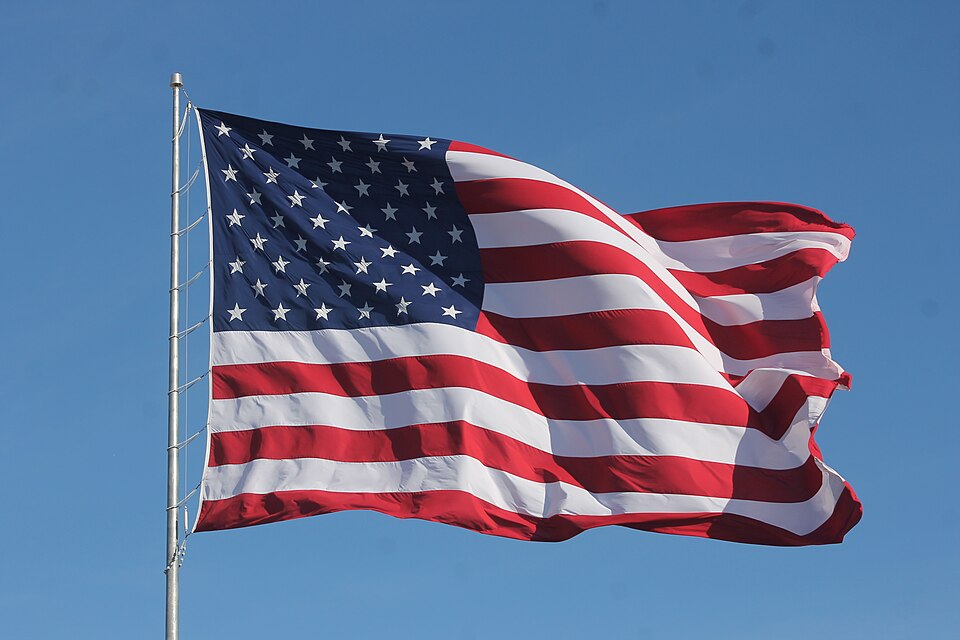
Flags Around the World
A national flag is one of the most recognizable symbols any country can have. The colors and designs on a flag are carefully chosen to represent something meaningful about the nation. For example, the red and white stripes on the United States flag stand for the original thirteen colonies, while the fifty stars represent the current states. Japan’s flag features a simple red circle on a white background, symbolizing the sun, since Japan is known as the “Land of the Rising Sun.” Countries fly their flags at government buildings, schools, and international events like the Olympic Games.
National Anthems
A national anthem is an official song that represents a country and is played at important ceremonies and events. The United States national anthem, “The Star-Spangled Banner,” was written by Francis Scott Key in 1814 after he watched the American flag survive a battle during the War of 1812. Many anthems tell stories about a country’s fight for freedom or describe the beauty of its land. People usually stand when a national anthem is played as a sign of respect. Athletes hear their country’s anthem played when they win gold medals at the Olympics, which is often described as one of the proudest moments in sports.
National Animals and Birds
Many countries choose an animal or bird to represent their nation’s strength, beauty, or character. The bald eagle became the national bird of the United States in 1782 because it symbolizes freedom and power. India chose the Bengal tiger as its national animal to represent strength and grace, while Australia is represented by the kangaroo and the emu. Canada selected the beaver as its national animal because the fur trade played a huge role in the country’s early history. These animal symbols often appear on coins, stamps, government seals, and military uniforms.
National Monuments and Landmarks
Countries build monuments and landmarks to honor important people and events from their history. The Statue of Liberty in the United States was a gift from France in 1886 and has welcomed millions of immigrants arriving by ship to New York Harbor. India’s Taj Mahal, built in the 1600s, is considered one of the most beautiful buildings in the world and represents the country’s rich artistic heritage. Mount Rushmore in South Dakota features the carved faces of four American presidents and attracts about three million visitors each year. These landmarks become powerful symbols that people around the world associate with their countries.
Coats of Arms and Seals
A coat of arms or national seal is an official design that a government uses on important documents and buildings. These designs often include symbols like shields, animals, plants, and mottoes that represent the country’s values and history. The Great Seal of the United States features a bald eagle holding an olive branch in one talon and arrows in the other, representing the desire for peace but readiness to defend the nation. Mexico’s coat of arms shows an eagle perched on a cactus eating a snake, based on an ancient Aztec legend about the founding of their capital city. Coats of arms have been used for hundreds of years and are one of the oldest forms of national symbols.
National Holidays and Celebrations
National holidays are special days when a country celebrates important events from its history. The United States celebrates Independence Day on July 4th to mark the day in 1776 when the Declaration of Independence was adopted. France celebrates Bastille Day on July 14th to remember the start of the French Revolution in 1789. Mexico’s Independence Day on September 16th honors the beginning of the country’s fight for freedom from Spain in 1810. These holidays bring people together with parades, fireworks, and ceremonies that strengthen the connection citizens feel to their country and its symbols.
Why National Symbols Matter
National symbols do more than just decorate buildings and money — they help unite millions of people under shared ideas and values. When citizens see their flag or hear their anthem, it can create a feeling of belonging to something bigger than themselves. Symbols also help people from different backgrounds find common ground, since everyone in a country shares the same national symbols regardless of where they live or what language they speak at home. Learning about other countries’ symbols is a great way to understand different cultures and what people around the world value most. By respecting both our own symbols and those of other nations, we show respect for all people and their histories.
 OtterKnow Kids Encyclopedia