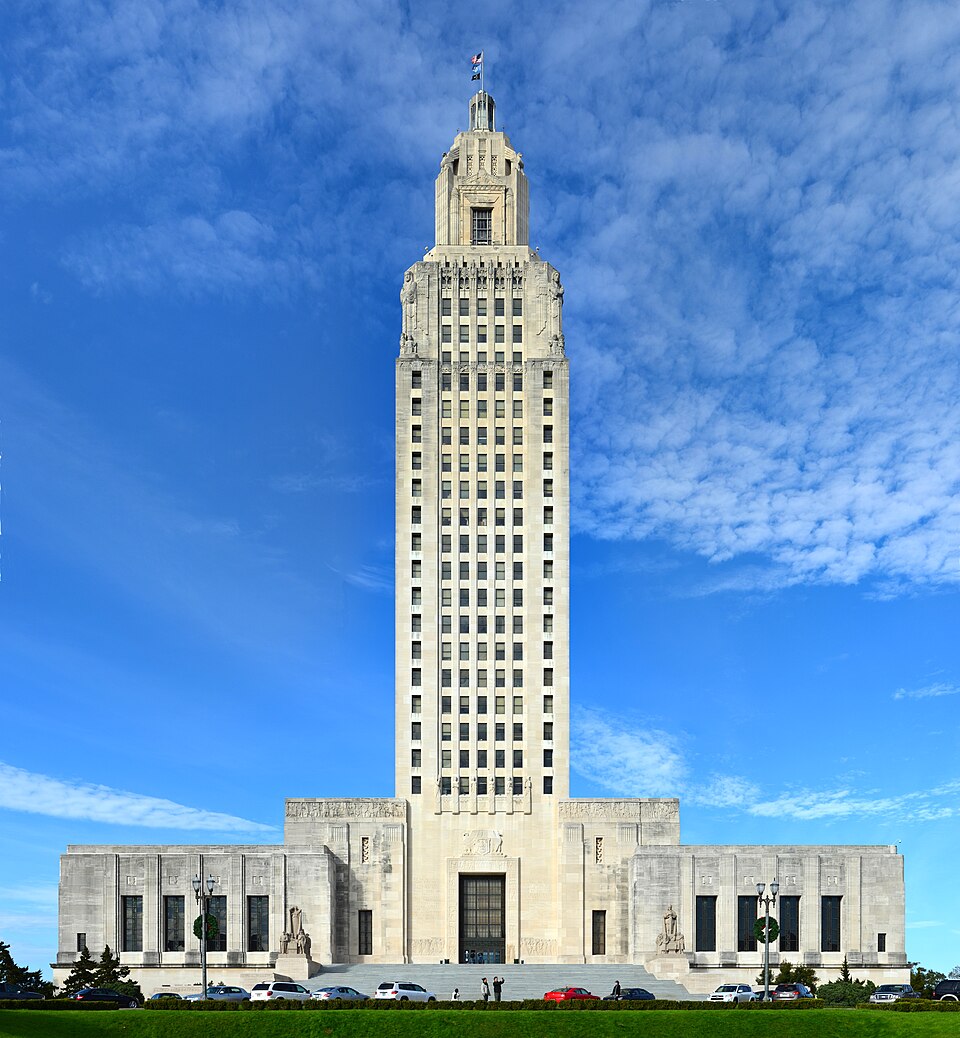
The Governor and State Leaders
Every state has a governor who serves as the head of the state government. The governor is elected by the people of the state and usually serves a four-year term. Governors sign new state laws, create budgets that decide how state money is spent, and can call on the National Guard during emergencies. The governor works with other state leaders, including the lieutenant governor, the attorney general, and the secretary of state. Each of these officials has a specific job, like enforcing laws or keeping official state records.
State Legislatures
Every state has a legislature, which is a group of elected officials who write and vote on state laws. In 49 out of 50 states, the legislature is divided into two chambers: a senate and a house of representatives. Nebraska is the only state with just one chamber, called a unicameral legislature. State legislators represent the people in their districts and vote on issues like education funding, highway construction, and environmental protection. Citizens can contact their state legislators to share opinions and ask for help with problems.
State Courts
Each state has its own court system that handles legal disputes and criminal cases under state law. Most states have three levels of courts: trial courts, appeals courts, and a state supreme court. Trial courts are where cases are first heard, and a judge or jury decides the outcome. If someone disagrees with a trial court’s decision, they can ask an appeals court to review it. The state supreme court is the highest court in the state and has the final say on questions about state law.
County Government
Counties are one of the most important forms of local government in the United States. There are more than 3,000 counties across the country, and they provide services like law enforcement, road maintenance, and public health programs. Most counties are led by a board of commissioners or supervisors who are elected by the people. County governments often run the local jail, manage property records, and oversee elections. In some states, counties also operate libraries, parks, and emergency services like ambulances and fire departments.
City and Town Government
Cities and towns have their own local governments that handle the needs of their communities. Most cities are led by a mayor, who is the top elected official, and a city council that passes local laws called ordinances. Some cities use a council-manager system, where the city council hires a professional manager to run the day-to-day operations. City governments are responsible for things like water and sewer systems, garbage collection, local police and fire departments, and zoning rules that control how land can be used. Town meetings, which are common in New England, let residents vote directly on local issues.
School Districts and Special Districts
School districts are a type of local government that manages public schools in a specific area. They are usually run by an elected school board that makes decisions about curriculum, school budgets, and hiring teachers. Special districts are another form of local government created to handle a single service, like water supply, mosquito control, or public transportation. There are tens of thousands of special districts across the United States. These districts have their own budgets and sometimes collect their own taxes to pay for the services they provide.
How You Can Get Involved
Even though you cannot vote yet, there are many ways young people can participate in state and local government. You can attend city council meetings or school board meetings to learn how decisions are made. Writing letters or emails to your state representatives is a great way to share your ideas about issues you care about. Many communities have youth councils or student government programs that give young people a voice in local decisions. Learning about your state and local government now will help you become an informed and active citizen when you are old enough to vote.
 OtterKnow Kids Encyclopedia