Different Types of Taxes
There are several different kinds of taxes that people pay. Income tax is a percentage of the money people earn from their jobs, and it is the largest source of revenue for the federal government. Sales tax is added to the price of items you buy at stores, and the rate varies from state to state. Property tax is paid by people who own homes or land, and it is one of the main ways local governments raise money. Some states also charge excise taxes on specific products like gasoline, cigarettes, and sugary drinks. Each type of tax helps fund different levels of government and different kinds of services.
Where Your Tax Money Goes
Tax money pays for a huge variety of public services that affect people’s lives every day. At the federal level, a large portion of tax revenue goes to Social Security, which provides income to retired people and people with disabilities. The federal government also spends tax money on national defense, healthcare programs like Medicare and Medicaid, and scientific research. State taxes help pay for public universities, state highways, and state parks. Local taxes fund things that are closest to your daily life, like public schools, libraries, police and fire departments, and road repairs in your neighborhood.
Public Schools and Education
Public schools are one of the most important services funded by taxes. In the United States, about 50 million students attend public schools, and most of the funding comes from local property taxes and state income taxes. Tax money pays for teachers’ salaries, school buildings, textbooks, computers, and school bus transportation. The federal government also contributes some funding, especially for programs that help students with disabilities and students from low-income families. Without tax-funded public education, many families would not be able to afford to send their children to school.
Roads, Bridges, and Infrastructure
The roads you ride on, the bridges you cross, and the water that comes out of your faucet are all paid for with tax money. This network of public structures and systems is called infrastructure. The federal government collects a gasoline tax that goes into the Highway Trust Fund to help build and repair interstate highways. State and local governments use their own tax revenue to maintain local roads, traffic lights, and sidewalks. Water treatment plants, sewer systems, and public transit like buses and subways are also paid for with tax money, making it possible for communities to function smoothly.
Emergency Services and Public Safety
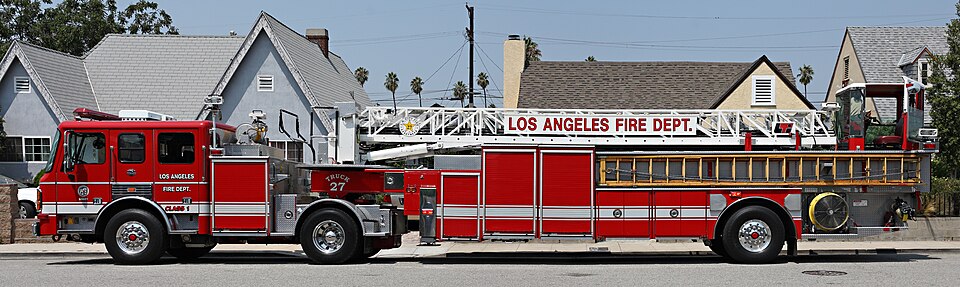
When you call 911 in an emergency, the police officers, firefighters, and paramedics who respond are all paid with tax money. Local governments spend a significant portion of their budgets on public safety services. Tax money pays for fire trucks, police cars, ambulances, and the training that emergency workers need to do their jobs. In addition to responding to emergencies, these services include crime prevention programs, fire safety inspections, and disaster preparedness planning. Public safety is one of the oldest and most essential reasons governments collect taxes.
Parks, Libraries, and Community Spaces
Tax money also funds places where people can learn, play, and spend time together. Public libraries offer free books, computers, and programs to everyone in the community, and there are about 17,000 public libraries across the United States. City and state parks provide green spaces for hiking, sports, and family gatherings, all maintained with tax dollars. Community centers, public swimming pools, and recreation programs are other examples of tax-funded services that improve quality of life. The National Park Service, which manages places like Yellowstone and the Grand Canyon, is funded by a combination of federal taxes and entrance fees.
Why Taxes Matter
Taxes are sometimes a topic of debate because people have different opinions about how much the government should collect and how it should be spent. Some people think taxes should be lower so families keep more of their money, while others believe taxes should be higher to fund more public services. In a democracy, citizens get to vote for leaders who share their views on taxes and government spending. Understanding how taxes work helps you become a better citizen who can make informed decisions about your community and country.
 OtterKnow Kids Encyclopedia